THE ADVENTURE COLLECTIVE® · Independent discovery and booking for outdoor travel

A 12‑day trek through Nepal’s Upper Mustang leads from Jomsom to the ancient walled city of Lo‑Manthang across a desert‑like Trans‑Himalayan plateau. Expect high, dry landscapes, Tibetan Buddhist culture, required permits, and 4–7 hour walking days at altitude.
A 12‑day trek through Nepal’s Upper Mustang leads from Jomsom to the ancient walled city of Lo‑Manthang across a desert‑like Trans‑Himalayan plateau. Expect high, dry landscapes, Tibetan Buddhist culture, required permits, and 4–7 hour walking days at altitude.
You step off the short mountain flight into Jomsom and the air is thin, dry and sharp—the Trans‑Himalaya daring you forward. The Kaligandaki River pushes on below, carving the world’s deepest gorge as you climb out of the valley toward the rain‑shadowed plateaus of Upper Mustang. Dusty tracks, red and ochre strata, and wind-shaped ridgelines frame a trek that reads like a geological map and a living museum.
Verified experiences and guided adventures in the surrounding area.
Operated by Nepal Hiking Pvt. Ltd. · Lo Manthang, Gandaki Province
You step off the short mountain flight into Jomsom and the air is thin, dry and sharp—the Trans‑Himalaya daring you forward. The Kaligandaki River pushes on below, carving the world’s deepest gorge as you climb out of the valley toward the rain‑shadowed plateaus of Upper Mustang. Dusty tracks, red and ochre strata, and wind-shaped ridgelines frame a trek that reads like a geological map and a living museum.
Upper Mustang sits on the ancient trade route between Nepal and Tibet; Lo‑Manthang, the walled capital, preserves centuries of Tibetan Buddhist culture, whitewashed gompas, and narrow alleys. The landscape changes fast: river terraces and green barley fields give way to barren, colorful badlands where shrubs cling to gravel. Panoramas include Nilgiri, Annapurna and Dhaulagiri peaks on clear days, while the region’s cave complexes and fortress monasteries echo a feudal past—this was a restricted kingdom until the early 1990s.
Practically, expect 4–7 hour walking days, lodging in basic guesthouses, and required permits (Upper Mustang permit + ACAP). Altitude is the challenge: Jomsom starts at ~2,700 m and Lo‑Manthang reaches ~3,800–3,900 m. Weather dictates logistics; flights between Pokhara and Jomsom are often delayed by wind. Bring sturdy boots, layered insulation, sun protection, and plan acclimatization days. Cash is essential—ATMs are unavailable—and pack out waste where possible.
This trek rewards with stark vistas, quiet monasteries and a culture shaped by Tibetan influence; it’s remote, high and thoroughly Himalayan—best tackled with careful preparation and respect for the fragile landscape.
Yes—Upper Mustang requires a special restricted area permit plus the Annapurna Conservation Area Project (ACAP) permit; tour operators usually arrange these.
The trek is challenging due to altitude rather than technical difficulty; highest nights in Lo‑Manthang reach about 3,800–3,900 m with daily walking of 4–7 hours.
Flights are short but often affected by wind and weather; schedules can change, so allow extra time or accept backup ground transfers when possible.
Most packages include an English‑speaking guide and a porter (commonly one porter per two guests), which eases logistics and supports local employment.
Nepal Hiking Pvt. Ltd. operates guided outdoor trips and adventures with an emphasis on safety, stewardship, and memorable experiences.
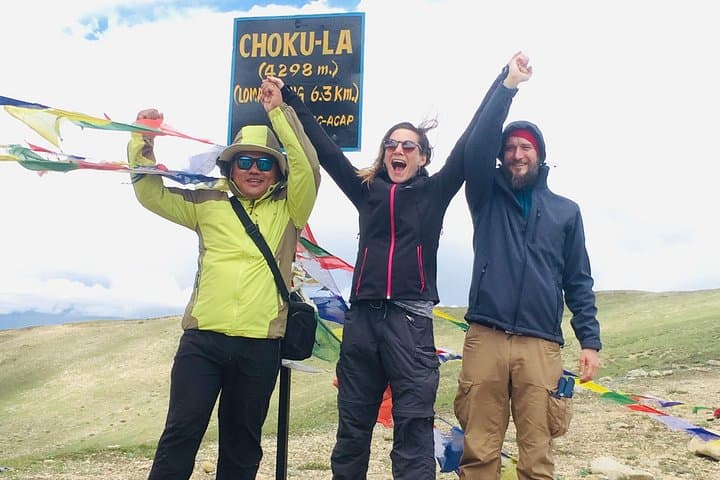
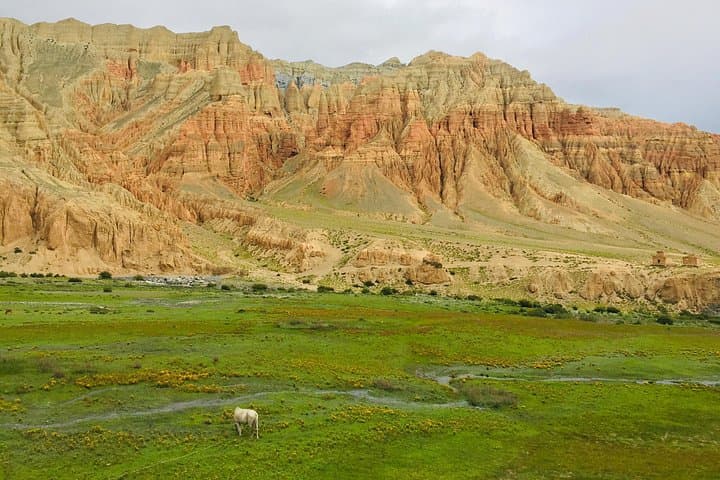
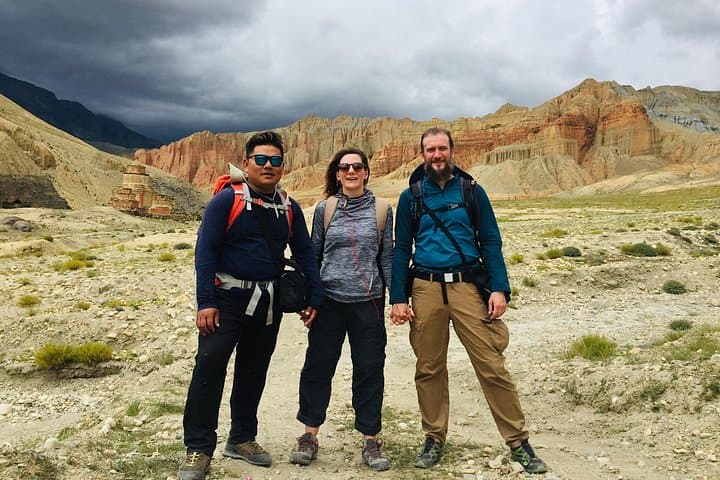
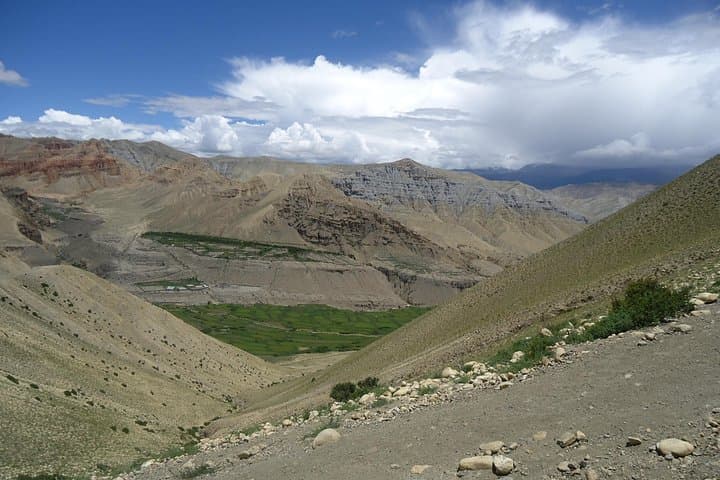
You step off the short mountain flight into Jomsom and the air is thin, dry and sharp—the Trans‑Himalaya daring you forward. The Kaligandaki River pushes on below, carving the world’s deepest gorge as you climb out of the valley toward the rain‑shadowed plateaus of Upper Mustang. Dusty tracks, red and ochre strata, and wind-shaped ridgelines frame a trek that reads like a geological map and a living museum.
You step off the short mountain flight into Jomsom and the air is thin, dry and sharp—the Trans‑Himalaya daring you forward. The Kaligandaki River pushes on below, carving the world’s deepest gorge as you climb out of the valley toward the rain‑shadowed plateaus of Upper Mustang. Dusty tracks, red and ochre strata, and wind-shaped ridgelines frame a trek that reads like a geological map and a living museum.
Upper Mustang sits on the ancient trade route between Nepal and Tibet; Lo‑Manthang, the walled capital, preserves centuries of Tibetan Buddhist culture, whitewashed gompas, and narrow alleys. The landscape changes fast: river terraces and green barley fields give way to barren, colorful badlands where shrubs cling to gravel. Panoramas include Nilgiri, Annapurna and Dhaulagiri peaks on clear days, while the region’s cave complexes and fortress monasteries echo a feudal past—this was a restricted kingdom until the early 1990s.
Practically, expect 4–7 hour walking days, lodging in basic guesthouses, and required permits (Upper Mustang permit + ACAP). Altitude is the challenge: Jomsom starts at ~2,700 m and Lo‑Manthang reaches ~3,800–3,900 m. Weather dictates logistics; flights between Pokhara and Jomsom are often delayed by wind. Bring sturdy boots, layered insulation, sun protection, and plan acclimatization days. Cash is essential—ATMs are unavailable—and pack out waste where possible.
This trek rewards with stark vistas, quiet monasteries and a culture shaped by Tibetan influence; it’s remote, high and thoroughly Himalayan—best tackled with careful preparation and respect for the fragile landscape.