THE ADVENTURE COLLECTIVE® · Independent discovery and booking for outdoor travel

A 17-day circuit into Upper Mustang leads to Lo Manthang’s ancient walls, red cliffs and Tibetan-influenced villages. This remote trek combines high plateaus, centuries-old monasteries and staged acclimatization for a culturally rich, high-altitude experience.
A 17-day circuit into Upper Mustang leads to Lo Manthang’s ancient walls, red cliffs and Tibetan-influenced villages. This remote trek combines high plateaus, centuries-old monasteries and staged acclimatization for a culturally rich, high-altitude experience.
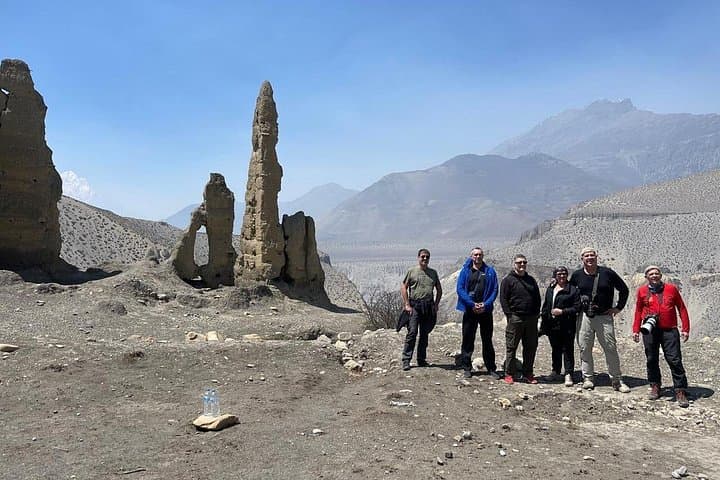
A dry wind pushes prayer flags like small hands across the plateau as trekkers break morning light above the Kali Gandaki. The path narrows, cliffs lean in, and the valley seems to hold its breath—this is Upper Mustang, a high Himalayan realm where wind, stone and sky shape the day.
Verified experiences and guided adventures in the surrounding area.
Operated by The Great Adventure Treks & Expedition - Private Day Tours · Lo Manthang, Gandaki Province
A dry wind pushes prayer flags like small hands across the plateau as trekkers break morning light above the Kali Gandaki. The path narrows, cliffs lean in, and the valley seems to hold its breath—this is Upper Mustang, a high Himalayan realm where wind, stone and sky shape the day.
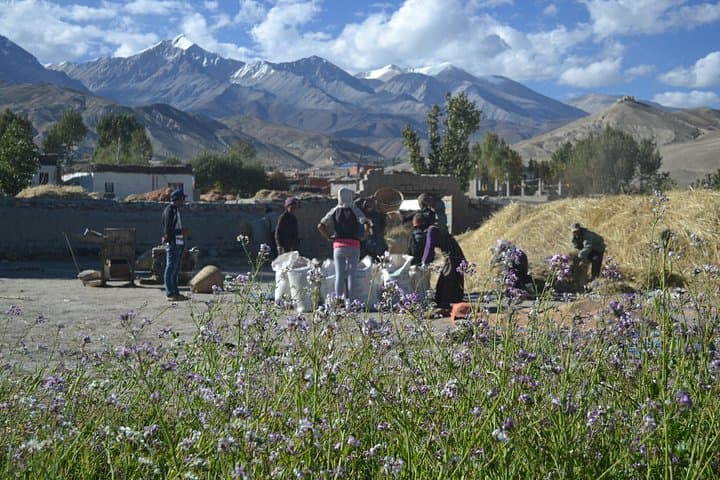
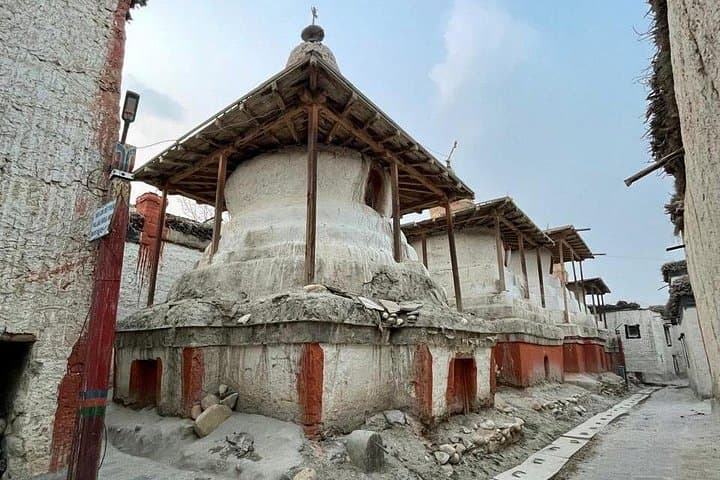
Long closed to outsiders until 1992, Upper Mustang preserves a living slice of Tibetan culture: mud-brick houses ringed by ancient walls, whitewashed monasteries, and gompas blanketed in millennia of prayer. Geologically the region reads as a book of uplifted sediment and wind-carved red cliffs; erosion has exposed layers that glow copper at dusk and hold fossil traces of an ancient seabed. Local communities follow agro-pastoral rhythms and Buddhist rituals—stop at Ghar Gumba and Lo Manthang Palace to see wood-carved windows and wall paintings that map centuries of trade and belief.
Practically, expect long, exposed days at 2,700–3,800 m, short walks between tea houses, and dusty jeep tracks that alternately assist and tempt the legs. Acclimatization days in Lo Manthang ease altitude strain; pack warm layers, a water treatment method and sturdy boots with good traction—the trail is often gravel, talus and compacted earth. Hydrate before and during each day, watch for early signs of altitude illness, and plan flights into Jomsom as weather-dependent options.
Timing matters: clear mornings give Himalayan panoramas; afternoons bring wind. Respect local customs—ask before photographing and support tea houses by buying meals. Upper Mustang rewards patience: quiet courtyards, thin air, and a landscape that insists you move slowly and look closely.
Yes—Upper Mustang is a restricted area; trekkers require an ACAP/TIMS card and a Restricted Area Permit, typically arranged before arrival.
Most days involve 4–7 hours of walking on dusty, exposed trails with daily altitude changes; physical fitness and prior multi-day trek experience are recommended.
Tea houses provide basic rooms and set meals (breakfast, lunch, dinner) throughout the route, though options are simple and dependent on season.
Spring (April–May) and autumn (September–November) offer the most stable weather, clearer mountain views and moderate daytime temperatures.
The Great Adventure Treks & Expedition - Private Day Tours operates guided outdoor trips and adventures with an emphasis on safety, stewardship, and memorable experiences.
A dry wind pushes prayer flags like small hands across the plateau as trekkers break morning light above the Kali Gandaki. The path narrows, cliffs lean in, and the valley seems to hold its breath—this is Upper Mustang, a high Himalayan realm where wind, stone and sky shape the day.
A dry wind pushes prayer flags like small hands across the plateau as trekkers break morning light above the Kali Gandaki. The path narrows, cliffs lean in, and the valley seems to hold its breath—this is Upper Mustang, a high Himalayan realm where wind, stone and sky shape the day.
Long closed to outsiders until 1992, Upper Mustang preserves a living slice of Tibetan culture: mud-brick houses ringed by ancient walls, whitewashed monasteries, and gompas blanketed in millennia of prayer. Geologically the region reads as a book of uplifted sediment and wind-carved red cliffs; erosion has exposed layers that glow copper at dusk and hold fossil traces of an ancient seabed. Local communities follow agro-pastoral rhythms and Buddhist rituals—stop at Ghar Gumba and Lo Manthang Palace to see wood-carved windows and wall paintings that map centuries of trade and belief.
Practically, expect long, exposed days at 2,700–3,800 m, short walks between tea houses, and dusty jeep tracks that alternately assist and tempt the legs. Acclimatization days in Lo Manthang ease altitude strain; pack warm layers, a water treatment method and sturdy boots with good traction—the trail is often gravel, talus and compacted earth. Hydrate before and during each day, watch for early signs of altitude illness, and plan flights into Jomsom as weather-dependent options.
Timing matters: clear mornings give Himalayan panoramas; afternoons bring wind. Respect local customs—ask before photographing and support tea houses by buying meals. Upper Mustang rewards patience: quiet courtyards, thin air, and a landscape that insists you move slowly and look closely.