THE ADVENTURE COLLECTIVE® · Independent discovery and booking for outdoor travel

Run 18 km of Class III–IV rapids on the Upper Pastaza near Puyo, Ecuador. This half-day trip mixes fast water, rainforest sightings and a riverside lunch—ideal for paddlers ready for sustained excitement and local insight.
Run 18 km of Class III–IV rapids on the Upper Pastaza near Puyo, Ecuador. This half-day trip mixes fast water, rainforest sightings and a riverside lunch—ideal for paddlers ready for sustained excitement and local insight.
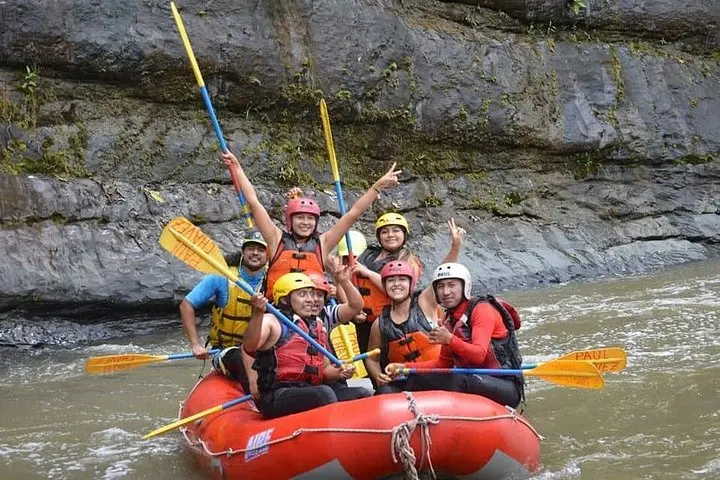
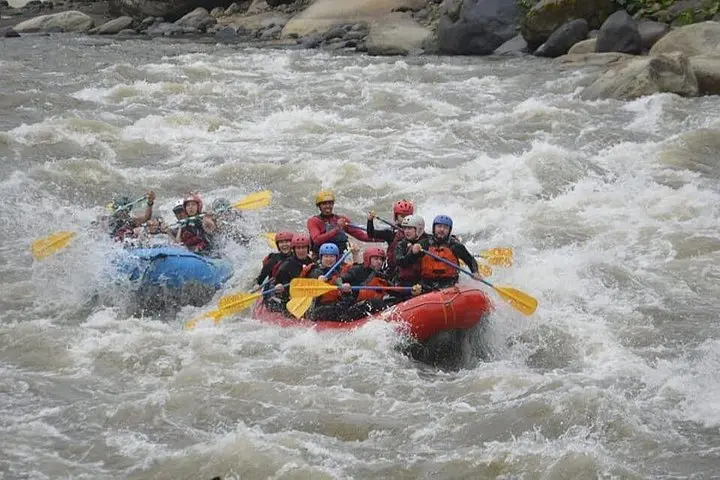
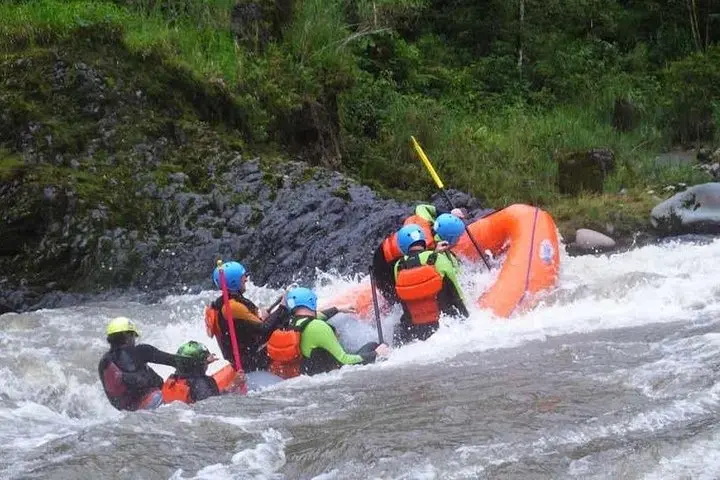
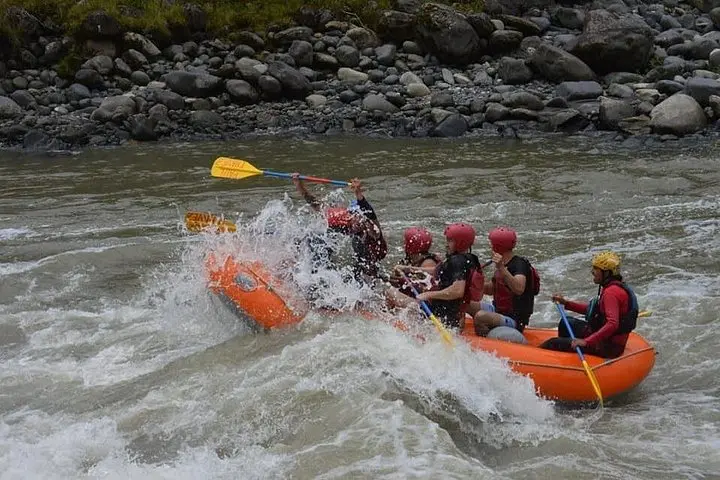
Mist hangs low over the rainforest as the Pastaza hurries past buttressed trees, its current daring you toward the first drop. You push off from a gravel bar outside Puyo and the guide’s voice becomes part instruction, part steadying drumbeat as the raft answers the river’s shove. For the next 18 kilometers the river alternates between playful boils and full-throttle Class III–IV rapids, each bend opening a different view of tropical green cutting toward the Andes.
Verified experiences and guided adventures in the surrounding area.
Operated by Puyo, Pastaza. Atractivos Turísticos, Cavernas, Yasuní, Waorani, Curaray, y Selva Amazonia · Puyo, Pastaza
Mist hangs low over the rainforest as the Pastaza hurries past buttressed trees, its current daring you toward the first drop. You push off from a gravel bar outside Puyo and the guide’s voice becomes part instruction, part steadying drumbeat as the raft answers the river’s shove. For the next 18 kilometers the river alternates between playful boils and full-throttle Class III–IV rapids, each bend opening a different view of tropical green cutting toward the Andes.
The Pastaza drains highland volcanoes and slices through volcanic and sedimentary deposits; its energy is shaped by steep Andean tributaries and seasonal rainfall. The town of Puyo grew as a river gateway in the 20th century, and local guides bring a cultural connection—stories of river routes, cacao groves and Shuar communities that read the water like a map.
Practically, expect a 4–5 hour excursion that includes transport, safety briefing, wetsuit and helmet, and a riverside lunch. River running here requires teamwork: paddling commands, swift re-entries and respect for the current’s moods. Wildlife pauses—macaws, kingfishers—occur between rapids, while the safety kayaker watches the lines.
Plan for hot, humid weather and sudden tropical showers. Wear a secure water shoe, use reef-safe sunscreen, and leave valuables on the shuttle or in a dry bag. If you can tread water and follow simple paddle calls, you’ll find the Pastaza rewarding: fast, raw, and alive—an Ecuadorian river that both challenges and humbles the crew.
The river section is about 18 km and takes roughly 1–2 hours on the water; the full tour including transport and lunch runs about 4–5 hours.
No formal experience is required, but you should be comfortable in water and able to follow paddle commands; guides provide a technical briefing and safety kayak support.
Guides supply wetsuits, helmets, professional life jackets, paddles and a safety kayak; instruction on self‑rescue and commands is included.
Families with older children who can swim may participate, but not recommended for travelers with spinal injuries or certain medical conditions—check with operators before booking.
Puyo, Pastaza. Atractivos Turísticos, Cavernas, Yasuní, Waorani, Curaray, y Selva Amazonia operates guided outdoor trips and adventures with an emphasis on safety, stewardship, and memorable experiences.
Mist hangs low over the rainforest as the Pastaza hurries past buttressed trees, its current daring you toward the first drop. You push off from a gravel bar outside Puyo and the guide’s voice becomes part instruction, part steadying drumbeat as the raft answers the river’s shove. For the next 18 kilometers the river alternates between playful boils and full-throttle Class III–IV rapids, each bend opening a different view of tropical green cutting toward the Andes.
Mist hangs low over the rainforest as the Pastaza hurries past buttressed trees, its current daring you toward the first drop. You push off from a gravel bar outside Puyo and the guide’s voice becomes part instruction, part steadying drumbeat as the raft answers the river’s shove. For the next 18 kilometers the river alternates between playful boils and full-throttle Class III–IV rapids, each bend opening a different view of tropical green cutting toward the Andes.
The Pastaza drains highland volcanoes and slices through volcanic and sedimentary deposits; its energy is shaped by steep Andean tributaries and seasonal rainfall. The town of Puyo grew as a river gateway in the 20th century, and local guides bring a cultural connection—stories of river routes, cacao groves and Shuar communities that read the water like a map.
Practically, expect a 4–5 hour excursion that includes transport, safety briefing, wetsuit and helmet, and a riverside lunch. River running here requires teamwork: paddling commands, swift re-entries and respect for the current’s moods. Wildlife pauses—macaws, kingfishers—occur between rapids, while the safety kayaker watches the lines.
Plan for hot, humid weather and sudden tropical showers. Wear a secure water shoe, use reef-safe sunscreen, and leave valuables on the shuttle or in a dry bag. If you can tread water and follow simple paddle calls, you’ll find the Pastaza rewarding: fast, raw, and alive—an Ecuadorian river that both challenges and humbles the crew.