THE ADVENTURE COLLECTIVE® · Independent discovery and booking for outdoor travel

Spend a five-hour walk along Lake Como’s upper western shore—historic villages, partisan memorials, lakeside castles and secluded gardens reveal stories and views few visitors see.
Spend a five-hour walk along Lake Como’s upper western shore—historic villages, partisan memorials, lakeside castles and secluded gardens reveal stories and views few visitors see.
You step off the ferry and the lake takes your pace—calm surface nudging the shore, olive terraces leaning down like an audience. The walk follows the upper western flank of Lake Como where narrow lanes thread through villages, past faded frescoes, low castles and clipped gardens that seem to hold their breath for visitors.
Verified experiences and guided adventures in the surrounding area.
You step off the ferry and the lake takes your pace—calm surface nudging the shore, olive terraces leaning down like an audience. The walk follows the upper western flank of Lake Como where narrow lanes thread through villages, past faded frescoes, low castles and clipped gardens that seem to hold their breath for visitors.
This coastline was shaped by glaciers and human hands: steep moraines become terraces where chestnut and olive trees fight for light, while stone walls mark centuries of farming. In the 20th century these same slopes were a stage for partisan resistance; Dongo and nearby towns retain small memorials and wartime stories that give the landscape a sober edge. Local culture still mixes fishing, boatbuilding and chapel festivals—elements visible in village squares and market stalls.
Expect five hours on foot with frequent stops to inspect a villa garden or a ruined watchtower. Terrain is mixed—paved lanes, cobbled alleys and short dirt tracks with modest elevation changes—so comfortable, grippy footwear matters. Bring water and a light jacket: the lake breathes differently by hour, cooling in shade and warming in midday sun.
Practical logistics: tours often include short boat hops between hamlets; confirm meeting points and language. Respect private villas and stay on marked paths—many of the most intriguing gardens are private or ticketed. Timing your walk for morning or late afternoon reduces heat and crowds and offers the best light for photographing stone, water and the steep slopes that still hold the stories of pirates, partisans and gardeners.
The organized experience runs about five hours with frequent stops; terrain is mostly easy to moderate with short elevation changes—expect several kilometers on foot.
Many itineraries include short ferry or boat segments between hamlets—check the tour details and wear shoes suitable for boarding.
Much of the route follows narrow, uneven lanes and cobbles; accessibility is limited—contact the operator to discuss specific sections or alternatives.
Some gardens and villas are privately managed or ticketed; operators typically note included sites—bring cash or card for any optional entries.
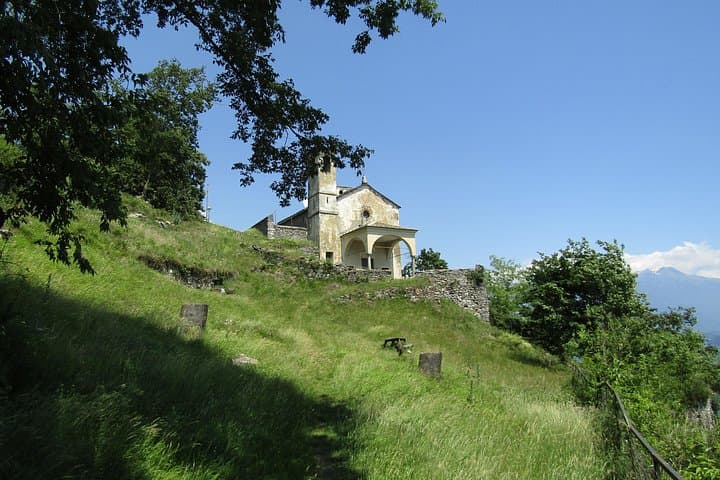
You step off the ferry and the lake takes your pace—calm surface nudging the shore, olive terraces leaning down like an audience. The walk follows the upper western flank of Lake Como where narrow lanes thread through villages, past faded frescoes, low castles and clipped gardens that seem to hold their breath for visitors.
You step off the ferry and the lake takes your pace—calm surface nudging the shore, olive terraces leaning down like an audience. The walk follows the upper western flank of Lake Como where narrow lanes thread through villages, past faded frescoes, low castles and clipped gardens that seem to hold their breath for visitors.
This coastline was shaped by glaciers and human hands: steep moraines become terraces where chestnut and olive trees fight for light, while stone walls mark centuries of farming. In the 20th century these same slopes were a stage for partisan resistance; Dongo and nearby towns retain small memorials and wartime stories that give the landscape a sober edge. Local culture still mixes fishing, boatbuilding and chapel festivals—elements visible in village squares and market stalls.
Expect five hours on foot with frequent stops to inspect a villa garden or a ruined watchtower. Terrain is mixed—paved lanes, cobbled alleys and short dirt tracks with modest elevation changes—so comfortable, grippy footwear matters. Bring water and a light jacket: the lake breathes differently by hour, cooling in shade and warming in midday sun.
Practical logistics: tours often include short boat hops between hamlets; confirm meeting points and language. Respect private villas and stay on marked paths—many of the most intriguing gardens are private or ticketed. Timing your walk for morning or late afternoon reduces heat and crowds and offers the best light for photographing stone, water and the steep slopes that still hold the stories of pirates, partisans and gardeners.