THE ADVENTURE COLLECTIVE® · Independent discovery and booking for outdoor travel

Walk the quiet satoyama north of Kobe—thatched roofs, farm tracks and a living kabuki stage. This full-day tour includes hands-on onigiri making and visits to shrines that reveal rural Japan’s layered history.
Walk the quiet satoyama north of Kobe—thatched roofs, farm tracks and a living kabuki stage. This full-day tour includes hands-on onigiri making and visits to shrines that reveal rural Japan’s layered history.
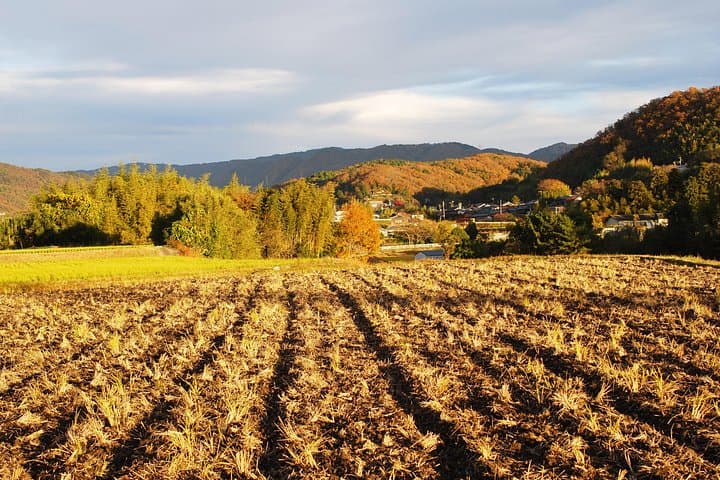
A cool morning train drops you at the edge of the Rokko foothills and the scent of damp earth pushes forward—rice paddies arranged like steps, a thatched roof dark with moss, and a narrow path that leads into a village that has kept its pace. The guide meets you in Sannomiya, but the day belongs to Yamada: a working satoyama where ritual, farming and forest meet.
Verified experiences and guided adventures in the surrounding area.
Operated by MY Travel Consulting · Kobe, Hyogo Prefecture
A cool morning train drops you at the edge of the Rokko foothills and the scent of damp earth pushes forward—rice paddies arranged like steps, a thatched roof dark with moss, and a narrow path that leads into a village that has kept its pace. The guide meets you in Sannomiya, but the day belongs to Yamada: a working satoyama where ritual, farming and forest meet.
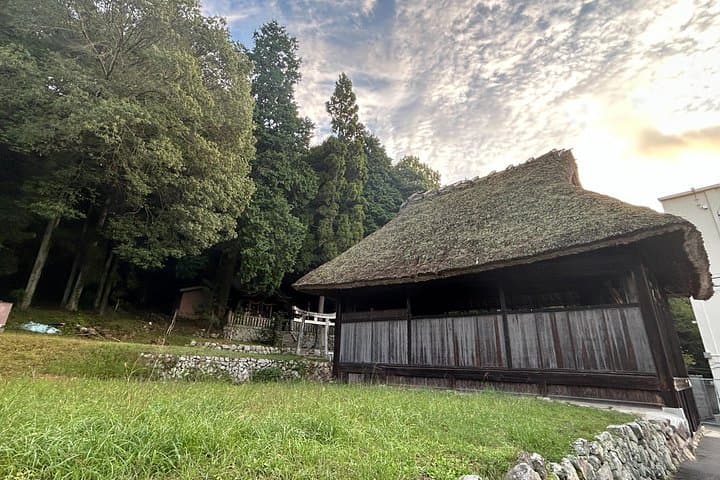
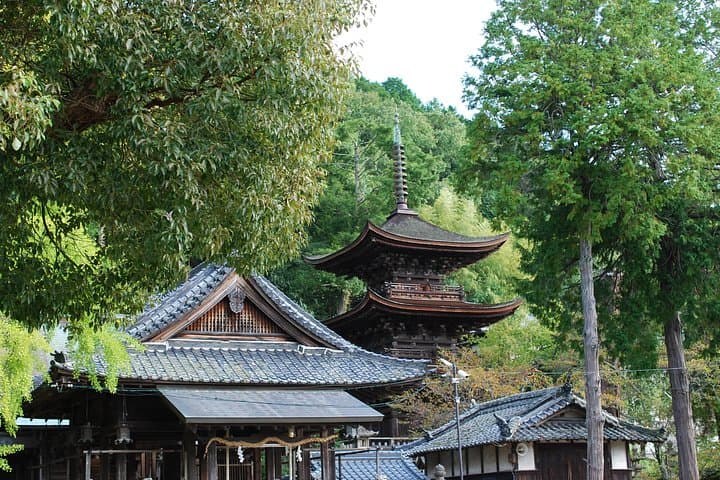
This stretch of northern Kobe sits where low volcanic ridges give way to rolling cultivated slopes. Yamada’s terraced fields echo a farming pattern used since the Yayoi period, supplying rice to the nearby city for centuries. The Shimotaniue kabuki stage and Rokujō Hachimangū Shrine demonstrate how Shinto and Buddhist practices once blended into daily life; the thatched stage still hosts festival performances that tether theater to harvest cycles.
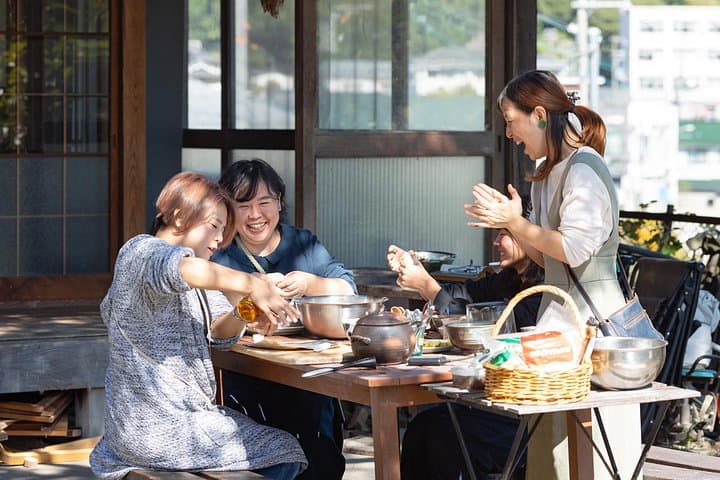
Expect steady walking on village lanes, gravel farm tracks and short stairways through mossy forest. The Sumibiraki House (Kerekele) is a restored farmhouse where you make onigiri with locally milled rice—an intimate lesson in food, seasonality and community. Along the route, stone markers and cedar groves feel like characters in a long-running play, occasionally giving way to views across the Tanjo slopes.
Practical guidance: wear sturdy walking shoes with good traction, bring water and sun protection, and be ready for uneven ground and occasional steps. The full itinerary is about seven hours including transit; public-transport access and a licensed English guide are included. Respect private property, remove shoes where requested, and leave no trace in these active agricultural landscapes—your footprint should be as light as the village’s morning mist.
Sannomiya is Kobe’s central hub—most visitors arrive by JR, Hankyu or Hanshin lines; exact pickup location is provided at booking.
Yes—local train or bus fares to Minotani and return are included as part of the tour admissions and transit fees.
Yes—the operator requests dietary requirements at booking and can adapt ingredients for vegetarian, vegan and gluten-free needs.
Infants in strollers can join, but uneven surfaces and short climbs make the route unsuitable for those with significant mobility limitations.
MY Travel Consulting operates guided outdoor trips and adventures with an emphasis on safety, stewardship, and memorable experiences.
A cool morning train drops you at the edge of the Rokko foothills and the scent of damp earth pushes forward—rice paddies arranged like steps, a thatched roof dark with moss, and a narrow path that leads into a village that has kept its pace. The guide meets you in Sannomiya, but the day belongs to Yamada: a working satoyama where ritual, farming and forest meet.
A cool morning train drops you at the edge of the Rokko foothills and the scent of damp earth pushes forward—rice paddies arranged like steps, a thatched roof dark with moss, and a narrow path that leads into a village that has kept its pace. The guide meets you in Sannomiya, but the day belongs to Yamada: a working satoyama where ritual, farming and forest meet.
This stretch of northern Kobe sits where low volcanic ridges give way to rolling cultivated slopes. Yamada’s terraced fields echo a farming pattern used since the Yayoi period, supplying rice to the nearby city for centuries. The Shimotaniue kabuki stage and Rokujō Hachimangū Shrine demonstrate how Shinto and Buddhist practices once blended into daily life; the thatched stage still hosts festival performances that tether theater to harvest cycles.
Expect steady walking on village lanes, gravel farm tracks and short stairways through mossy forest. The Sumibiraki House (Kerekele) is a restored farmhouse where you make onigiri with locally milled rice—an intimate lesson in food, seasonality and community. Along the route, stone markers and cedar groves feel like characters in a long-running play, occasionally giving way to views across the Tanjo slopes.
Practical guidance: wear sturdy walking shoes with good traction, bring water and sun protection, and be ready for uneven ground and occasional steps. The full itinerary is about seven hours including transit; public-transport access and a licensed English guide are included. Respect private property, remove shoes where requested, and leave no trace in these active agricultural landscapes—your footprint should be as light as the village’s morning mist.