THE ADVENTURE COLLECTIVE® · Independent discovery and booking for outdoor travel

Swap Santiago's urban grid for vertical lines on a full-day, guided rock climbing trip in the Andes foothills. Expect technical coaching, panoramic valley views, and routes adapted to your skill level.
Swap Santiago's urban grid for vertical lines on a full-day, guided rock climbing trip in the Andes foothills. Expect technical coaching, panoramic valley views, and routes adapted to your skill level.
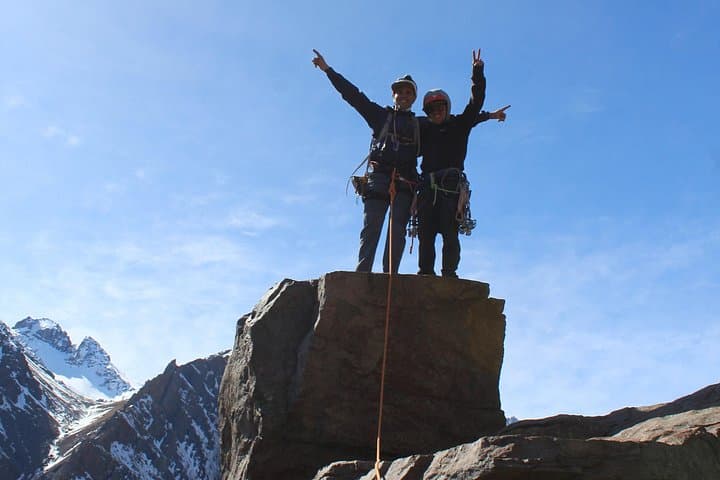
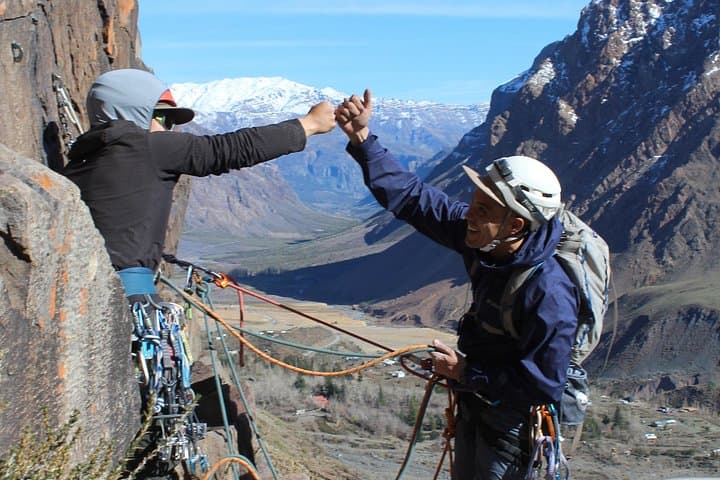
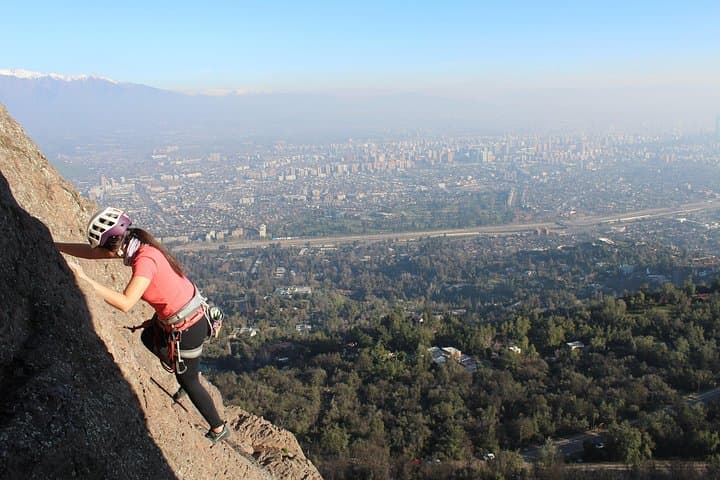
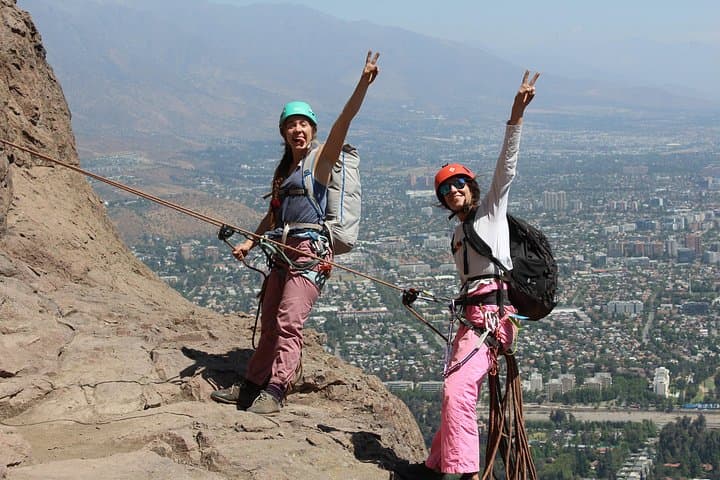
Before the city wakes, the Andes are already busy: light slides across jagged ridgelines and the crags above Santiago catch the first clear air. A minivan turns off the highway and winds up a dusty service road; guides lay out ropes like patient maps and tap shoes against rock to check friction. For a day you swap the grid of the city for vertical lines—pitches that demand balance and focus, and ledges that pry open views of Santiago spread low in the valley.
Verified experiences and guided adventures in the surrounding area.
Operated by Andes To Pacific · Santiago, Santiago Metropolitan Region
Before the city wakes, the Andes are already busy: light slides across jagged ridgelines and the crags above Santiago catch the first clear air. A minivan turns off the highway and winds up a dusty service road; guides lay out ropes like patient maps and tap shoes against rock to check friction. For a day you swap the grid of the city for vertical lines—pitches that demand balance and focus, and ledges that pry open views of Santiago spread low in the valley.
The foothills here are young in geological terms—uplifted by the relentless push of the Nazca Plate beneath South America—and the cliffs are composed of hard metamorphic and granitic outcrops that hold protection well and polish in the places hands repeat their routes. Climbing in and around Santiago has a local history rooted in mountain clubs from the mid-20th century; today a passionate community of climbers keeps routes maintained and introduces newcomers to the ropes. Culturally, the day blends Chilean outdoor pragmatism—arrive early, pack smart—with an easy camaraderie: expect plenty of coaching and a few local jokes about the weather.
The itinerary is straightforward and practical. Expect a full, guided day—approximately eight hours—with private transport from central Santiago. Approaches are short but can be steep: plan on rocky trails with 100–300 meters of elevation change depending on the crag. Guides provide technical gear and instruction, adapting routes to your level so both beginners and experienced climbers get multiple climbs in one day.
Practicalities matter. The sun in the valley punishes exposed skin; shade is scarce at the crags, and the air dries fast. Hydration, sunscreen, and layered clothing for wind on the ridges are not optional. Shoes with sticky rubber and a modest scramble capacity for the approach make transitions easier; guides supply helmets, harnesses, and ropes, but bringing your own well-broken shoes speeds the day.
Safety-wise, instructors are certified and carry first-aid kits; still, climbing is demanding—participants should have at least a moderate fitness base and be comfortable with heights. The operators cancel in bad weather; bring flexibility into your travel plans.
At day's end you descend with chalk dust in your pockets and a new sense of the mountain beyond the skyline—routes that challenge technique, views that reframe the city, and small pockets of Andean flora clinging to the rock. For travelers who want a hands-on way to read the landscape, a guided climb outside Santiago is direct, disciplined, and unmistakably local.
No—routes are adapted to skill level and guides provide hands-on instruction; however, you should be comfortable with heights and have basic fitness.
Yes—guides supply ropes, helmets, harnesses, and protection; bringing personal climbing shoes is recommended if you own them.
Most crags are 30–60 minutes from central Santiago depending on traffic and the exact meeting point; pickup is arranged at your accommodation.
Tours are cancelled in poor weather for safety and fully refundable if canceled at least 24 hours prior per operator policy.
Participants should be in moderate physical condition; the operator advises against booking for pregnant travelers or those with severe heart or spinal conditions.
Beginners typically top-rope under guide supervision; more experienced climbers can practice lead climbing if qualified and comfortable—discuss with your guide.
Andes To Pacific operates guided outdoor trips and adventures with an emphasis on safety, stewardship, and memorable experiences.
Before the city wakes, the Andes are already busy: light slides across jagged ridgelines and the crags above Santiago catch the first clear air. A minivan turns off the highway and winds up a dusty service road; guides lay out ropes like patient maps and tap shoes against rock to check friction. For a day you swap the grid of the city for vertical lines—pitches that demand balance and focus, and ledges that pry open views of Santiago spread low in the valley.
Before the city wakes, the Andes are already busy: light slides across jagged ridgelines and the crags above Santiago catch the first clear air. A minivan turns off the highway and winds up a dusty service road; guides lay out ropes like patient maps and tap shoes against rock to check friction. For a day you swap the grid of the city for vertical lines—pitches that demand balance and focus, and ledges that pry open views of Santiago spread low in the valley.
The foothills here are young in geological terms—uplifted by the relentless push of the Nazca Plate beneath South America—and the cliffs are composed of hard metamorphic and granitic outcrops that hold protection well and polish in the places hands repeat their routes. Climbing in and around Santiago has a local history rooted in mountain clubs from the mid-20th century; today a passionate community of climbers keeps routes maintained and introduces newcomers to the ropes. Culturally, the day blends Chilean outdoor pragmatism—arrive early, pack smart—with an easy camaraderie: expect plenty of coaching and a few local jokes about the weather.
The itinerary is straightforward and practical. Expect a full, guided day—approximately eight hours—with private transport from central Santiago. Approaches are short but can be steep: plan on rocky trails with 100–300 meters of elevation change depending on the crag. Guides provide technical gear and instruction, adapting routes to your level so both beginners and experienced climbers get multiple climbs in one day.
Practicalities matter. The sun in the valley punishes exposed skin; shade is scarce at the crags, and the air dries fast. Hydration, sunscreen, and layered clothing for wind on the ridges are not optional. Shoes with sticky rubber and a modest scramble capacity for the approach make transitions easier; guides supply helmets, harnesses, and ropes, but bringing your own well-broken shoes speeds the day.
Safety-wise, instructors are certified and carry first-aid kits; still, climbing is demanding—participants should have at least a moderate fitness base and be comfortable with heights. The operators cancel in bad weather; bring flexibility into your travel plans.
At day's end you descend with chalk dust in your pockets and a new sense of the mountain beyond the skyline—routes that challenge technique, views that reframe the city, and small pockets of Andean flora clinging to the rock. For travelers who want a hands-on way to read the landscape, a guided climb outside Santiago is direct, disciplined, and unmistakably local.