THE ADVENTURE COLLECTIVE® · Independent discovery and booking for outdoor travel

Turn Doel’s empty streets into a playable map with a self-guided zombie escape game. Over two hours and 35–40 missions, your choices determine the route and the outcome.
Turn Doel’s empty streets into a playable map with a self-guided zombie escape game. Over two hours and 35–40 missions, your choices determine the route and the outcome.
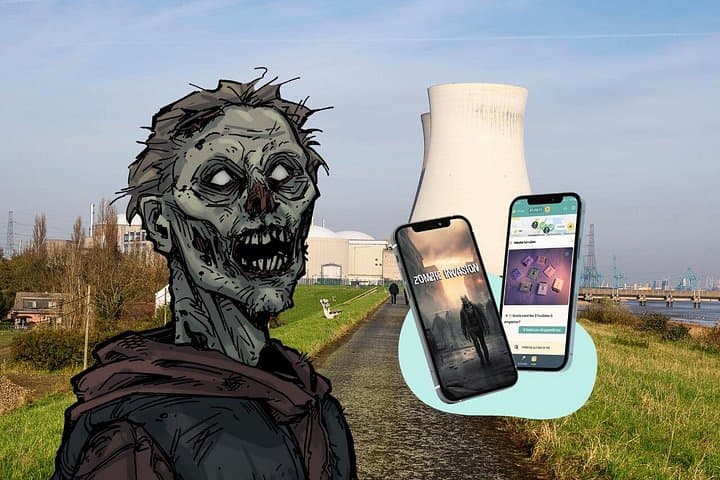
Wind whips off the Scheldt as your small team steps into Doel’s quiet grid of streets — crumbling façades and graffiti-marked windows press close while cranes and shipping containers loom across the river. Guided entirely by a mobile app, the 2-hour Urban Escape Game turns the village into a playable map: virtual zombies, branching choices and 35–40 missions push players through alleys, plazas and overlooked corners of the port-side settlement.
Verified experiences and guided adventures in the surrounding area.
Operated by Coddy · Doel, East Flanders
Wind whips off the Scheldt as your small team steps into Doel’s quiet grid of streets — crumbling façades and graffiti-marked windows press close while cranes and shipping containers loom across the river. Guided entirely by a mobile app, the 2-hour Urban Escape Game turns the village into a playable map: virtual zombies, branching choices and 35–40 missions push players through alleys, plazas and overlooked corners of the port-side settlement.
Doel’s story is visible on every block. Once a medieval river village, it became entangled with Antwerp’s port expansion in the 20th century; whole neighborhoods were emptied and ownership shifted, leaving a mix of abandoned houses, murals and a small, steadfast population. Geology here is low-lying clay and reclaimed polder, and the industrial horizon frames a cultural collision — street art and ruin beside functioning docks.
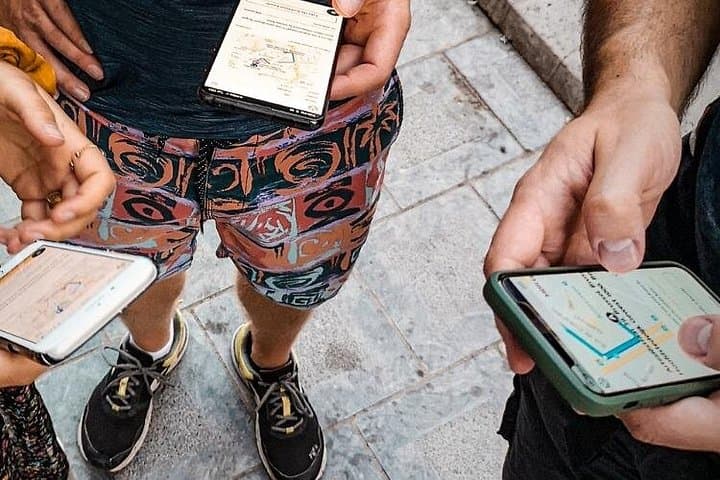
The game emphasizes discovery: puzzles reference local landmarks and the app steers you to alternate routes based on choices, so repeat runs can feel different. It’s social, low-impact and wheelchair- and stroller-accessible; teams of up to six can play without a live guide.
Practicalities: expect 2 hours of mostly paved walking (plan 2–4 km depending on choices), bring a charged smartphone and portable battery, and wear comfortable shoes for uneven sidewalks. Public transit connects to nearby Beveren and Antwerp; check tide and weather if you want clearer views across the estuary. Keep noise respectful and avoid entering private property — this game is about exploration and clever navigation, not trespass.
The self-guided experience runs about 120 minutes and supports teams of up to six players using a single smartphone.
No guide is required—the game is app-led. Mobile tickets are accepted and the app provides 24/7 online support.
The activity notes wheelchair and stroller accessibility for most public routes, but accessibility can vary by street; check local conditions before booking.
For a full refund cancel at least 24 hours before the scheduled start; cancellations within 24 hours are non-refundable.
Coddy operates guided outdoor trips and adventures with an emphasis on safety, stewardship, and memorable experiences.


Wind whips off the Scheldt as your small team steps into Doel’s quiet grid of streets — crumbling façades and graffiti-marked windows press close while cranes and shipping containers loom across the river. Guided entirely by a mobile app, the 2-hour Urban Escape Game turns the village into a playable map: virtual zombies, branching choices and 35–40 missions push players through alleys, plazas and overlooked corners of the port-side settlement.
Wind whips off the Scheldt as your small team steps into Doel’s quiet grid of streets — crumbling façades and graffiti-marked windows press close while cranes and shipping containers loom across the river. Guided entirely by a mobile app, the 2-hour Urban Escape Game turns the village into a playable map: virtual zombies, branching choices and 35–40 missions push players through alleys, plazas and overlooked corners of the port-side settlement.
Doel’s story is visible on every block. Once a medieval river village, it became entangled with Antwerp’s port expansion in the 20th century; whole neighborhoods were emptied and ownership shifted, leaving a mix of abandoned houses, murals and a small, steadfast population. Geology here is low-lying clay and reclaimed polder, and the industrial horizon frames a cultural collision — street art and ruin beside functioning docks.
The game emphasizes discovery: puzzles reference local landmarks and the app steers you to alternate routes based on choices, so repeat runs can feel different. It’s social, low-impact and wheelchair- and stroller-accessible; teams of up to six can play without a live guide.
Practicalities: expect 2 hours of mostly paved walking (plan 2–4 km depending on choices), bring a charged smartphone and portable battery, and wear comfortable shoes for uneven sidewalks. Public transit connects to nearby Beveren and Antwerp; check tide and weather if you want clearer views across the estuary. Keep noise respectful and avoid entering private property — this game is about exploration and clever navigation, not trespass.