THE ADVENTURE COLLECTIVE® · Independent discovery and booking for outdoor travel

Board a traditional boat from Puno to visit the hand-built Uros reed islands and Taquile’s stone terraces. This full-day Lake Titicaca tour mixes cultural encounters, hilltop viewpoints and a typical island lunch—perfect for travelers comfortable with moderate walking at high altitude.
Board a traditional boat from Puno to visit the hand-built Uros reed islands and Taquile’s stone terraces. This full-day Lake Titicaca tour mixes cultural encounters, hilltop viewpoints and a typical island lunch—perfect for travelers comfortable with moderate walking at high altitude.
The boat cuts a cold, glassy path across Lake Titicaca as early sun lays low on the Altiplano. Reeds whisper against the hull and a cluster of low platforms appears, hand-built islands rising from totora like living boats. On the Uros you step onto layered reed floorboards and hear elders explain how each island must be rebuilt seasonally—an intimate technical skill as old as the lake's current.
Verified experiences and guided adventures in the surrounding area.
Operated by VIPAC Travel · Puno, Puno
The boat cuts a cold, glassy path across Lake Titicaca as early sun lays low on the Altiplano. Reeds whisper against the hull and a cluster of low platforms appears, hand-built islands rising from totora like living boats. On the Uros you step onto layered reed floorboards and hear elders explain how each island must be rebuilt seasonally—an intimate technical skill as old as the lake's current.
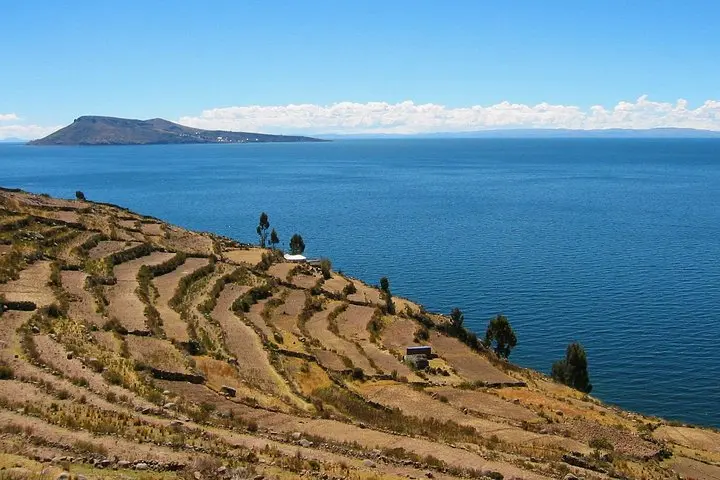
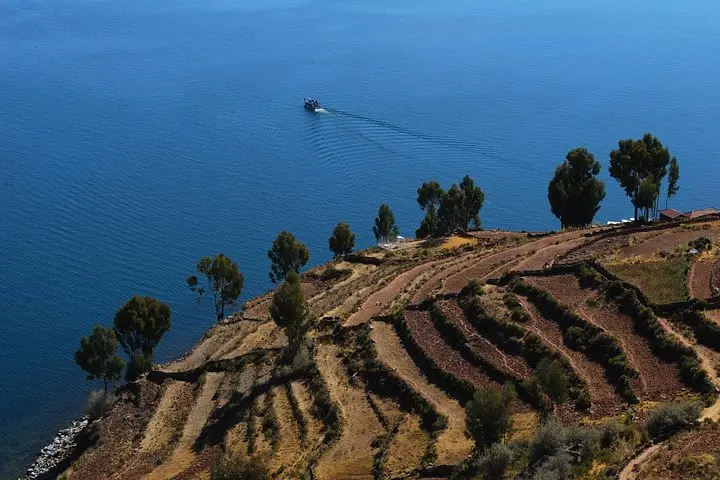
Lake Titicaca is a highland basin carved by tectonics and glaciation; its deep, slow waters supported unique cultures for millennia. The Uru people developed floating reed islands to adapt to water levels, while Taquile Island’s stone terraces and tightly woven textiles reflect a community that sustained an agrarian life above the lake. Taquileños still wear traditional dress and maintain communal weaving cooperatives recognized by UNESCO.
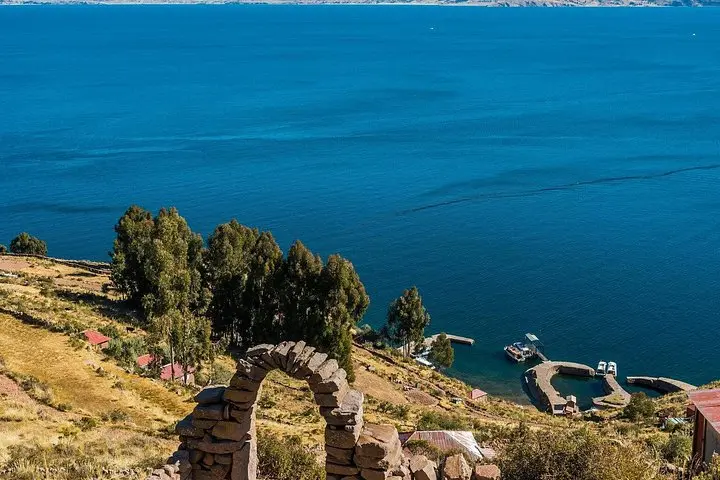
The day tour combines short boat transfers, guided on-foot explorations, and a typical island lunch. Terrain is uneven: reed platforms, stone steps, and a hill climb on Taquile to reach panoramic viewpoints that expose the lake’s expanse and distant snow-capped ranges. Expect breezy conditions and strong sun at 3,800+ meters—altitude affects pace more than distance.
Practical tips: wear sturdy shoes with grip for slippery reeds and steps, layer for wind and sun, hydrate well before departure, and carry small change for crafts. Respect local customs—ask before photographing people—and follow guides’ directions when boarding fragile reed structures. The tour is a compact cultural immersion that pairs easy navigation with physically moderate walking and unforgettable vantage points over South America’s highest navigable lake.
Boat transfers vary but expect roughly 30–90 minutes total on open water depending on stops and weather conditions.
This tour typically includes entrance tickets and a typical island lunch as listed in the inclusions.
Yes, with reservations for moderate walking; children and seniors should be able to manage short climbs and unpredictable footing—inform the operator about mobility needs.
Bring small-denomination Peruvian soles for textiles and reed crafts; bargaining is limited—prices support local families.
VIPAC Travel operates guided outdoor trips and adventures with an emphasis on safety, stewardship, and memorable experiences.
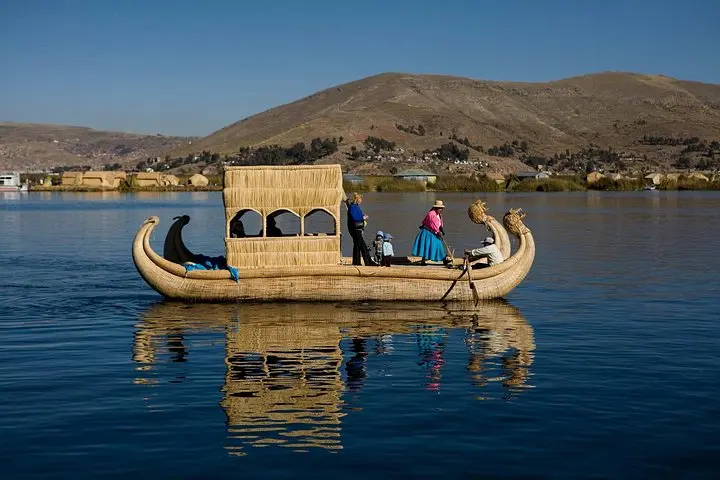
The boat cuts a cold, glassy path across Lake Titicaca as early sun lays low on the Altiplano. Reeds whisper against the hull and a cluster of low platforms appears, hand-built islands rising from totora like living boats. On the Uros you step onto layered reed floorboards and hear elders explain how each island must be rebuilt seasonally—an intimate technical skill as old as the lake's current.
The boat cuts a cold, glassy path across Lake Titicaca as early sun lays low on the Altiplano. Reeds whisper against the hull and a cluster of low platforms appears, hand-built islands rising from totora like living boats. On the Uros you step onto layered reed floorboards and hear elders explain how each island must be rebuilt seasonally—an intimate technical skill as old as the lake's current.
Lake Titicaca is a highland basin carved by tectonics and glaciation; its deep, slow waters supported unique cultures for millennia. The Uru people developed floating reed islands to adapt to water levels, while Taquile Island’s stone terraces and tightly woven textiles reflect a community that sustained an agrarian life above the lake. Taquileños still wear traditional dress and maintain communal weaving cooperatives recognized by UNESCO.
The day tour combines short boat transfers, guided on-foot explorations, and a typical island lunch. Terrain is uneven: reed platforms, stone steps, and a hill climb on Taquile to reach panoramic viewpoints that expose the lake’s expanse and distant snow-capped ranges. Expect breezy conditions and strong sun at 3,800+ meters—altitude affects pace more than distance.
Practical tips: wear sturdy shoes with grip for slippery reeds and steps, layer for wind and sun, hydrate well before departure, and carry small change for crafts. Respect local customs—ask before photographing people—and follow guides’ directions when boarding fragile reed structures. The tour is a compact cultural immersion that pairs easy navigation with physically moderate walking and unforgettable vantage points over South America’s highest navigable lake.