THE ADVENTURE COLLECTIVE® · Independent discovery and booking for outdoor travel

Board a speedboat from Puno for a culturally rich day on Lake Titicaca: meet families on totora reed islands, explore Taquile’s Quechua textiles, and enjoy a traditional Andean lunch. Expect boat transfers, short walks, and high-altitude conditions.
Board a speedboat from Puno for a culturally rich day on Lake Titicaca: meet families on totora reed islands, explore Taquile’s Quechua textiles, and enjoy a traditional Andean lunch. Expect boat transfers, short walks, and high-altitude conditions.
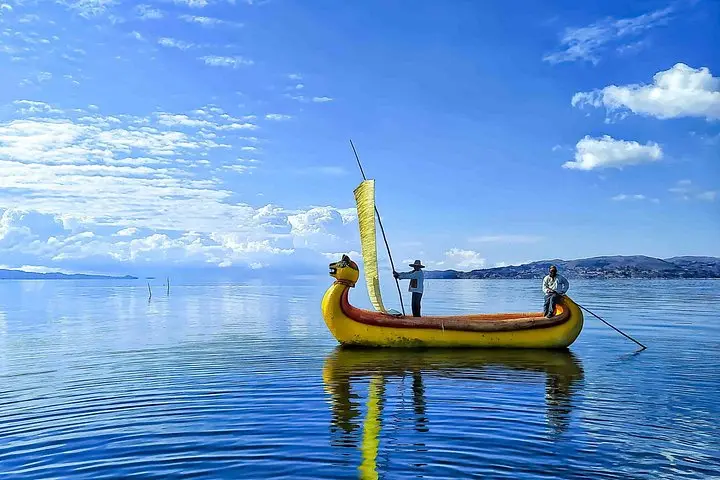
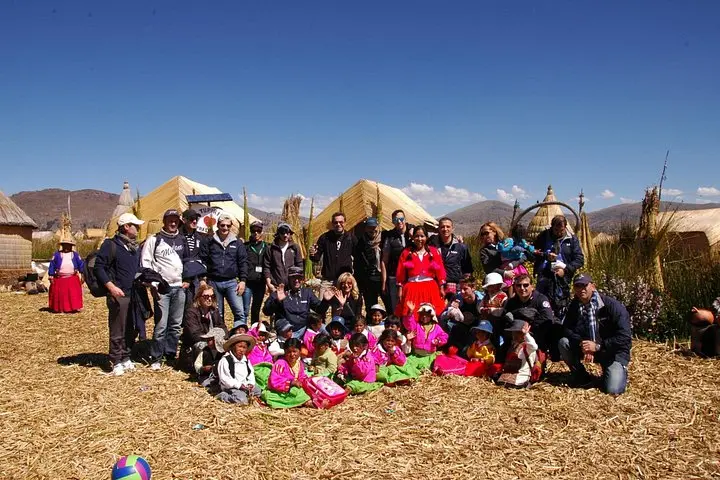
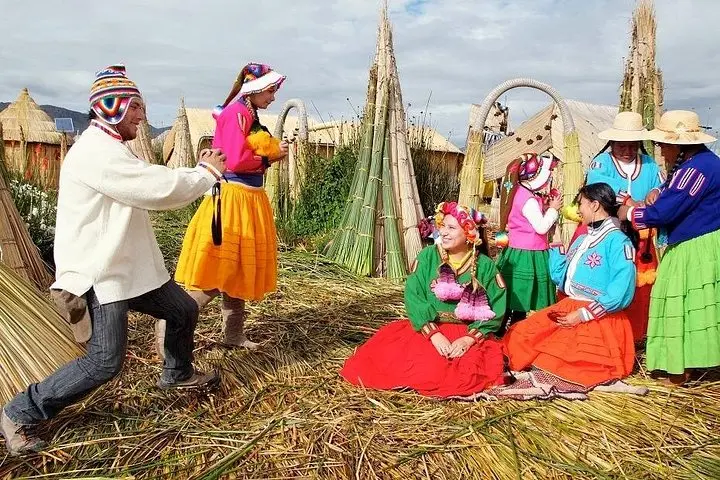
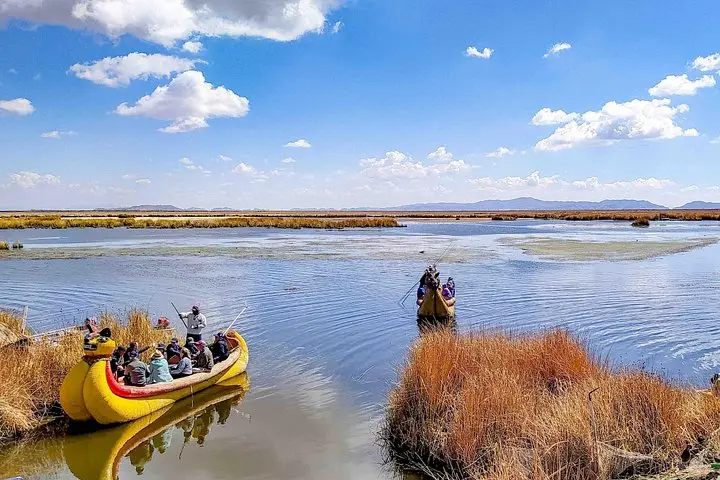
The boat pushes off from Puno before dawn, and Lake Titicaca opens like a high-altitude ocean that breathes cold air across the water. Reeds ripple and the islands of the Uros appear: low, woven platforms that shift slightly underfoot as families tend cooking fires and children dart between totora boats. Later the hull angles toward Taquile, a stony island where terraces and textile looms anchor centuries of Quechua life.
Verified experiences and guided adventures in the surrounding area.
Operated by Tangol · Puno, Puno
The boat pushes off from Puno before dawn, and Lake Titicaca opens like a high-altitude ocean that breathes cold air across the water. Reeds ripple and the islands of the Uros appear: low, woven platforms that shift slightly underfoot as families tend cooking fires and children dart between totora boats. Later the hull angles toward Taquile, a stony island where terraces and textile looms anchor centuries of Quechua life.
The Uros are pre-Inca in origin, built from totora reed to create living platforms that float on the lake’s shallow beds. Taquile was incorporated into the Inca economy and its communal weaving remains a culturally protected craft recognized by UNESCO. Geologically, the lake is an Andean high plain basin at roughly 3,800 m, carved by tectonics and glacial action; its wind and thin air shape travel and daily life here.
Expect a mix of short island walks, guided exchanges with local families, and a riverside-style lunch of Andean staples—corn, trout, and quinoa—served with views that change with every gust. Guides explain reed harvesting and the significance of patterns on Taquile textiles while the lake’s surface seems to test your resolve with sudden whitecaps.
Practical notes: this is an 8–10 hour day with several boat transfers, basic walking on uneven surfaces and stone steps on Taquile, and limited facilities on the islands. Altitude acclimatization, layered clothing against wind and sun, and sturdy shoes will make the day comfortable. Respect local customs, keep refuse off the islands, and carry cash for small purchases from artisans.
The shared tour runs about 8–10 hours and includes transfers from central Puno, boat transport, a professional guide, island entrance fees, and an Andean lunch.
Children are allowed (under-2 complimentary) but infants must sit on laps; travelers with cardiovascular problems should avoid high-altitude activities and consult a doctor.
Operators use speedboats or regular motor boats depending on the option; life jackets are provided and crews are experienced with lake conditions.
Yes—cooperative-run textiles are available; use cash in Peruvian soles and treat prices respectfully—small bargaining is common but support fair payment.
Tangol operates guided outdoor trips and adventures with an emphasis on safety, stewardship, and memorable experiences.
The boat pushes off from Puno before dawn, and Lake Titicaca opens like a high-altitude ocean that breathes cold air across the water. Reeds ripple and the islands of the Uros appear: low, woven platforms that shift slightly underfoot as families tend cooking fires and children dart between totora boats. Later the hull angles toward Taquile, a stony island where terraces and textile looms anchor centuries of Quechua life.
The boat pushes off from Puno before dawn, and Lake Titicaca opens like a high-altitude ocean that breathes cold air across the water. Reeds ripple and the islands of the Uros appear: low, woven platforms that shift slightly underfoot as families tend cooking fires and children dart between totora boats. Later the hull angles toward Taquile, a stony island where terraces and textile looms anchor centuries of Quechua life.
The Uros are pre-Inca in origin, built from totora reed to create living platforms that float on the lake’s shallow beds. Taquile was incorporated into the Inca economy and its communal weaving remains a culturally protected craft recognized by UNESCO. Geologically, the lake is an Andean high plain basin at roughly 3,800 m, carved by tectonics and glacial action; its wind and thin air shape travel and daily life here.
Expect a mix of short island walks, guided exchanges with local families, and a riverside-style lunch of Andean staples—corn, trout, and quinoa—served with views that change with every gust. Guides explain reed harvesting and the significance of patterns on Taquile textiles while the lake’s surface seems to test your resolve with sudden whitecaps.
Practical notes: this is an 8–10 hour day with several boat transfers, basic walking on uneven surfaces and stone steps on Taquile, and limited facilities on the islands. Altitude acclimatization, layered clothing against wind and sun, and sturdy shoes will make the day comfortable. Respect local customs, keep refuse off the islands, and carry cash for small purchases from artisans.