THE ADVENTURE COLLECTIVE® · Independent discovery and booking for outdoor travel

Cruise Lake Titicaca by speedboat to visit the reed-built Uros islands and UNESCO-recognized Taquile. This full-day cultural and scenic trip blends lakeborne engineering, high-altitude views, and traditional weaving demonstrations.
Cruise Lake Titicaca by speedboat to visit the reed-built Uros islands and UNESCO-recognized Taquile. This full-day cultural and scenic trip blends lakeborne engineering, high-altitude views, and traditional weaving demonstrations.
The morning light on Lake Titicaca slices across a high, thin air. From Puno’s Plaza de Armas a fast boat pushes off, its hull cutting through glassy water toward islands that seem to float between sky and shore. Within an hour you’re stepping onto totora reeds: platforms the Uros people have trimmed and rebuilt for generations, where reed houses and handcrafted boats bob with the lake’s gentle pulse.
Verified experiences and guided adventures in the surrounding area.
Operated by Inca Lake · Puno, Puno
The morning light on Lake Titicaca slices across a high, thin air. From Puno’s Plaza de Armas a fast boat pushes off, its hull cutting through glassy water toward islands that seem to float between sky and shore. Within an hour you’re stepping onto totora reeds: platforms the Uros people have trimmed and rebuilt for generations, where reed houses and handcrafted boats bob with the lake’s gentle pulse.
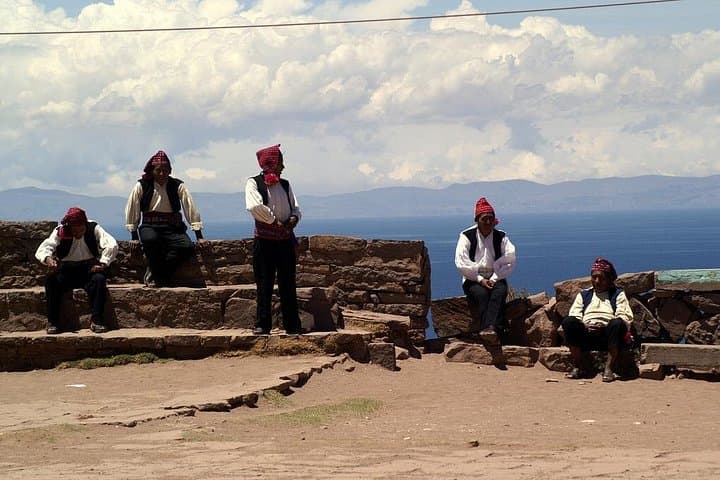
The lake itself is geological high country—an Andean basin shaped by ancient tectonics and uplifted to become the world’s highest navigable lake. Uros preserves pre-Columbian lifeways; the community’s reed engineering answers both lack of arable land and a long cultural history of waterborne living. Taquile Island, by contrast, sits solidly on volcanic-and-sedimentary slopes and is known for textile traditions recognized by UNESCO: men and women weaving patterns that encode social identity.
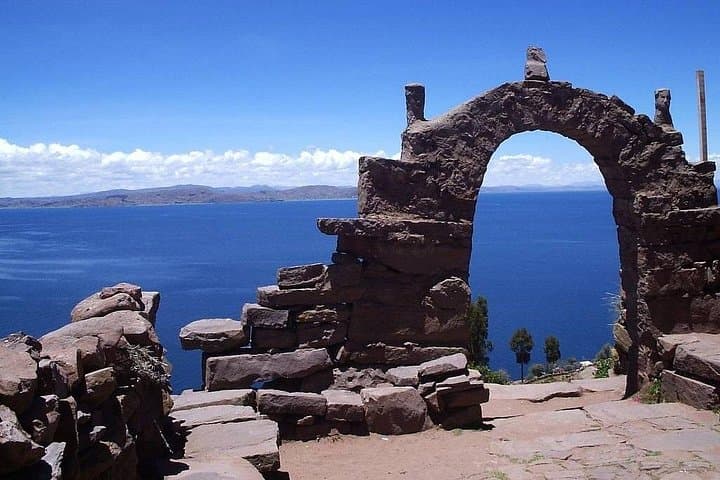
Expect a cultural walkthrough—visits to reed workshops, optional short reed-boat rides, and a 30–40 minute uphill walk on Taquile to a panoramic plaza where the waters of Titicaca fold into distant ridgelines.
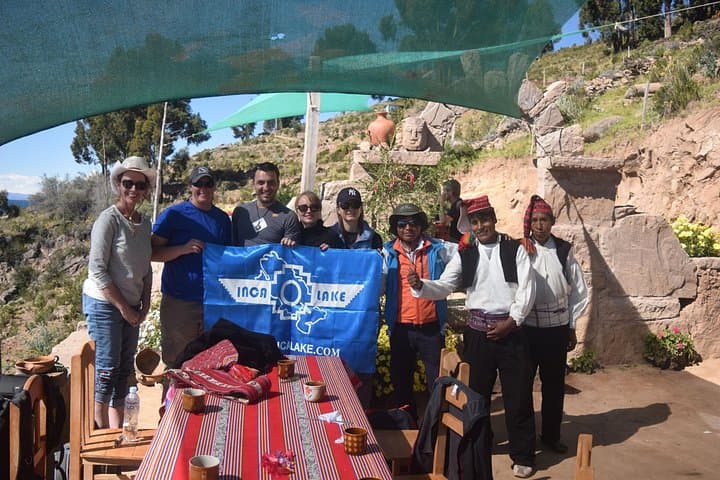
Practical notes: boats have onboard toilets and upper decks for photos; total tour time is about nine hours with hotel pickup from Puno early morning. Bring layered clothing for cold winds, sun protection, and small bills for optional reed-boat rides or souvenirs. The pace mixes relaxed cultural exchanges with stretches of walking on uneven stone and reed surfaces; moderate fitness and basic mobility are recommended. Respect local customs: ask before photographing people and follow guides’ instructions when boarding small craft.
Travel time varies with weather and route but expect roughly 30–60 minutes to Uros and an additional 60–90 minutes to Taquile from Puno.
Infants are allowed but must sit on an adult’s lap; the tour involves long travel and some uphill walking so consider comfort and mobility.
The speedboat has a toilet onboard; facilities on the islands are basic—plan accordingly and carry hand sanitizer.
Yes—artisans sell textiles and small reed crafts; carry local currency and ask before photographing people at close range.
Inca Lake operates guided outdoor trips and adventures with an emphasis on safety, stewardship, and memorable experiences.
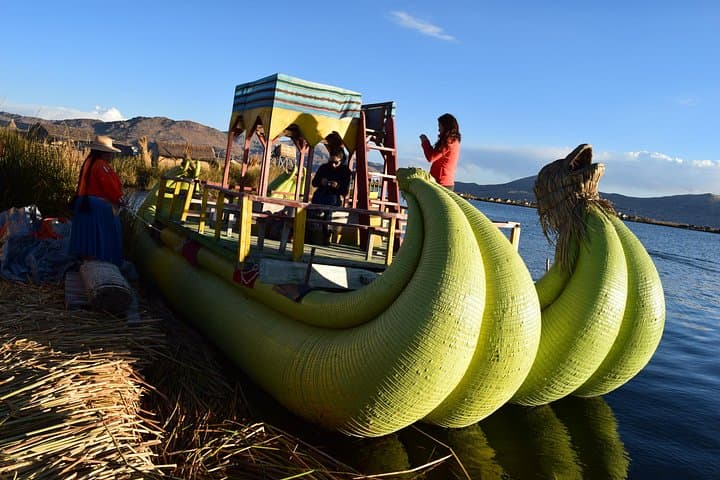
The morning light on Lake Titicaca slices across a high, thin air. From Puno’s Plaza de Armas a fast boat pushes off, its hull cutting through glassy water toward islands that seem to float between sky and shore. Within an hour you’re stepping onto totora reeds: platforms the Uros people have trimmed and rebuilt for generations, where reed houses and handcrafted boats bob with the lake’s gentle pulse.
The morning light on Lake Titicaca slices across a high, thin air. From Puno’s Plaza de Armas a fast boat pushes off, its hull cutting through glassy water toward islands that seem to float between sky and shore. Within an hour you’re stepping onto totora reeds: platforms the Uros people have trimmed and rebuilt for generations, where reed houses and handcrafted boats bob with the lake’s gentle pulse.
The lake itself is geological high country—an Andean basin shaped by ancient tectonics and uplifted to become the world’s highest navigable lake. Uros preserves pre-Columbian lifeways; the community’s reed engineering answers both lack of arable land and a long cultural history of waterborne living. Taquile Island, by contrast, sits solidly on volcanic-and-sedimentary slopes and is known for textile traditions recognized by UNESCO: men and women weaving patterns that encode social identity.
Expect a cultural walkthrough—visits to reed workshops, optional short reed-boat rides, and a 30–40 minute uphill walk on Taquile to a panoramic plaza where the waters of Titicaca fold into distant ridgelines.
Practical notes: boats have onboard toilets and upper decks for photos; total tour time is about nine hours with hotel pickup from Puno early morning. Bring layered clothing for cold winds, sun protection, and small bills for optional reed-boat rides or souvenirs. The pace mixes relaxed cultural exchanges with stretches of walking on uneven stone and reed surfaces; moderate fitness and basic mobility are recommended. Respect local customs: ask before photographing people and follow guides’ instructions when boarding small craft.