THE ADVENTURE COLLECTIVE® · Independent discovery and booking for outdoor travel

Board a motorboat from Puno and step onto the Uros’ living islands to learn reed-cutting, fishing techniques, and traditional crafts. This 2–3 hour hands-on tour mixes cultural immersion with practical insight into life on Lake Titicaca.
Board a motorboat from Puno and step onto the Uros’ living islands to learn reed-cutting, fishing techniques, and traditional crafts. This 2–3 hour hands-on tour mixes cultural immersion with practical insight into life on Lake Titicaca.
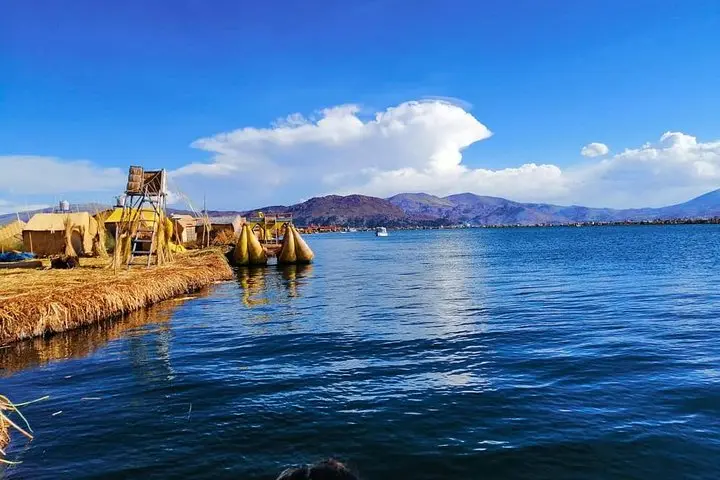
The sun hits the water in hard, silver sheets as a motorboat slides away from Puno’s pier and the first of the Uros reed islands comes into view.
Verified experiences and guided adventures in the surrounding area.
Operated by Inca Lake · Puno, Puno
The sun hits the water in hard, silver sheets as a motorboat slides away from Puno’s pier and the first of the Uros reed islands comes into view.
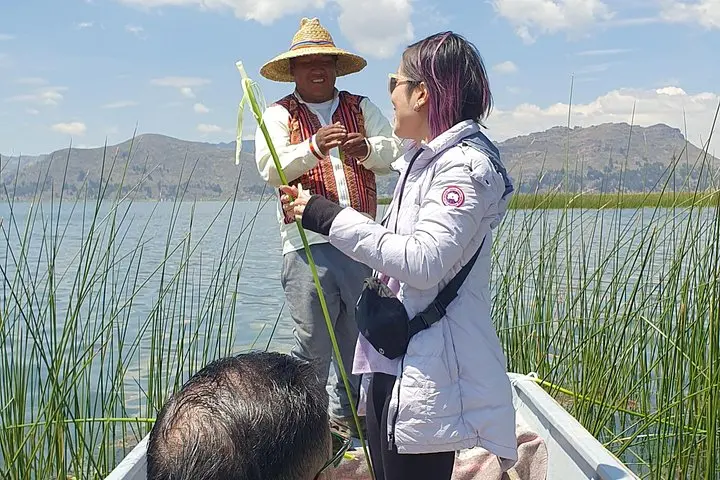
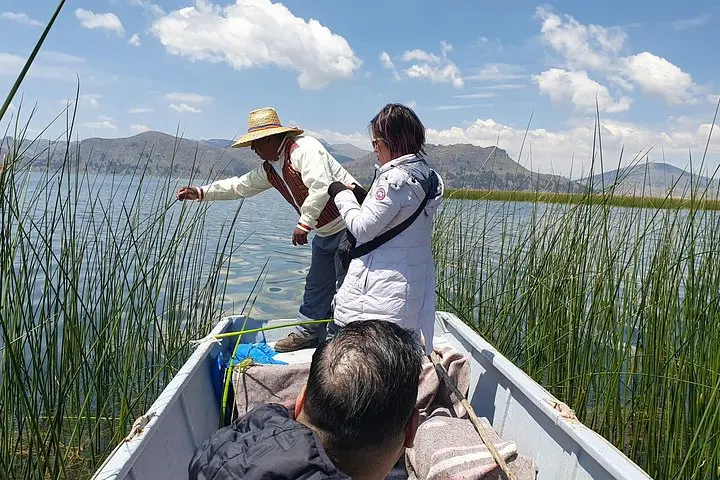
On arrival the air smells faintly of totora and drying reeds; voices and laughter rise from small clusters of houses that sit on buoyant mats of plant material. Visitors step ashore onto a surface that gives slightly underfoot and find a community that still practices centuries-old skills: cutting and weaving totora, fishing with hand-set nets, and crafting textiles and jewelry.
The Uros are an autochthonous people whose floating islands predate modern borders—built and maintained with layers of totora reed. Lake Titicaca itself is a high-altitude basin carved by glacial and tectonic forces; its shallow, cold waters shape daily life here. Culture is pragmatic: reed maintenance, communal boat travel, and craft production are both livelihood and identity.
Practicalities are simple but important. Expect a 2–3 hour outing by motorboat with short walks on uneven, soft reed surfaces. Wear sturdy, closed shoes with good grip and dress in layers—bright sun and cold winds alternate quickly at 3,800 meters. Hydration and sun protection matter more than distance fitness; the altitude will affect breathing and energy. Bring small currency for souvenirs and respect the islands’ fragility: avoid stepping on exposed reed edges and follow guide instructions during hands-on reed work.
This tour is about close observation and participation more than long hikes—an opportunity to meet residents, try reed-cutting, and leave with a clearer understanding of how people adapt to and care for one of the world’s most unusual human-made landscapes.
The activity runs about 2–3 hours including boat transfer time and on-island activities.
Yes—it's rated easy, but consider altitude effects; travelers with respiratory or back issues should consult guides before booking.
Yes. Locals sell textiles, jewelry, and small souvenirs—bring small cash (Peruvian soles) and inspect items before purchase.
Inca Lake operates guided outdoor trips and adventures with an emphasis on safety, stewardship, and memorable experiences.
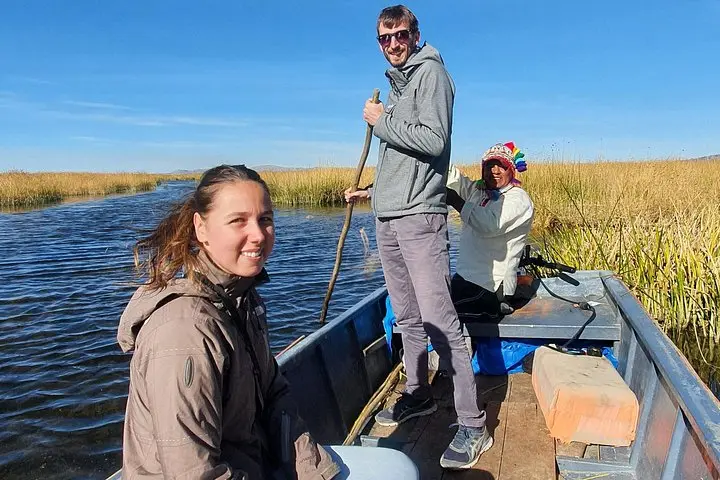
The sun hits the water in hard, silver sheets as a motorboat slides away from Puno’s pier and the first of the Uros reed islands comes into view.
The sun hits the water in hard, silver sheets as a motorboat slides away from Puno’s pier and the first of the Uros reed islands comes into view.
On arrival the air smells faintly of totora and drying reeds; voices and laughter rise from small clusters of houses that sit on buoyant mats of plant material. Visitors step ashore onto a surface that gives slightly underfoot and find a community that still practices centuries-old skills: cutting and weaving totora, fishing with hand-set nets, and crafting textiles and jewelry.
The Uros are an autochthonous people whose floating islands predate modern borders—built and maintained with layers of totora reed. Lake Titicaca itself is a high-altitude basin carved by glacial and tectonic forces; its shallow, cold waters shape daily life here. Culture is pragmatic: reed maintenance, communal boat travel, and craft production are both livelihood and identity.
Practicalities are simple but important. Expect a 2–3 hour outing by motorboat with short walks on uneven, soft reed surfaces. Wear sturdy, closed shoes with good grip and dress in layers—bright sun and cold winds alternate quickly at 3,800 meters. Hydration and sun protection matter more than distance fitness; the altitude will affect breathing and energy. Bring small currency for souvenirs and respect the islands’ fragility: avoid stepping on exposed reed edges and follow guide instructions during hands-on reed work.
This tour is about close observation and participation more than long hikes—an opportunity to meet residents, try reed-cutting, and leave with a clearer understanding of how people adapt to and care for one of the world’s most unusual human-made landscapes.