THE ADVENTURE COLLECTIVE® · Independent discovery and booking for outdoor travel

Spend a brisk morning on Lake Titicaca reaching the handmade Uros floating islands by motorboat. Learn reed‑craft traditions, meet residents, and explore reed rafts in a guided 3‑hour excursion from Puno.
Spend a brisk morning on Lake Titicaca reaching the handmade Uros floating islands by motorboat. Learn reed‑craft traditions, meet residents, and explore reed rafts in a guided 3‑hour excursion from Puno.
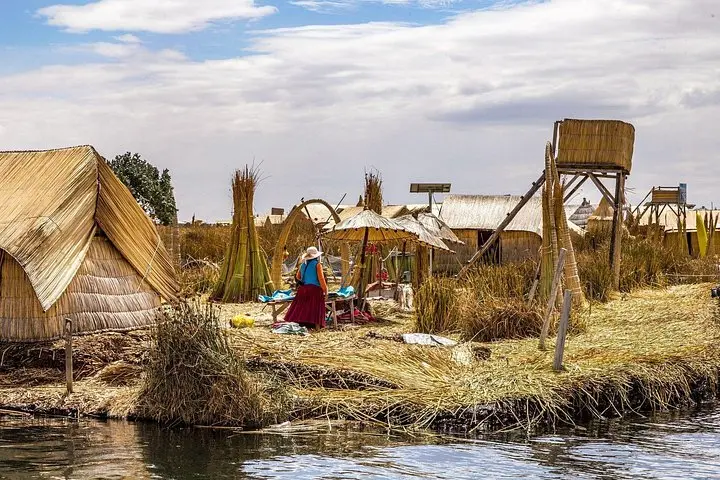
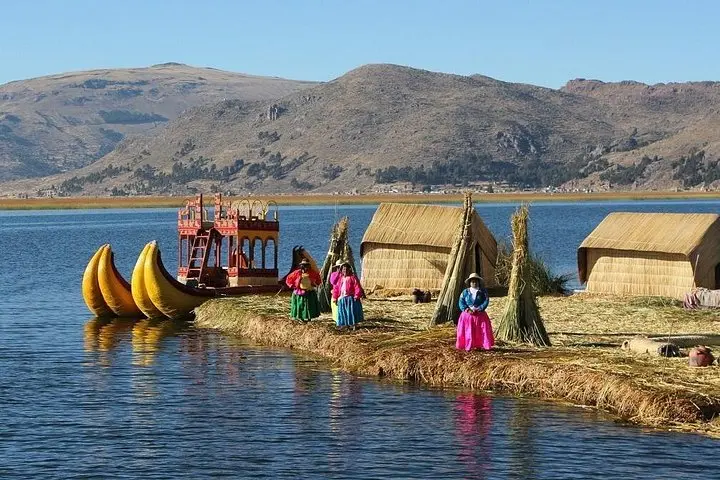
A thin light breaks across Lake Titicaca and the motorboat cuts through reeds that seem to reach back toward the Andes. The cold high-altitude air bites at your cheeks as the town of Puno shrinks behind you and the patchwork of manmade islands comes into view: low, reed-built platforms topped with compact houses and children running barefoot.
Verified experiences and guided adventures in the surrounding area.
Operated by PVTravels · Puno, Puno
A thin light breaks across Lake Titicaca and the motorboat cuts through reeds that seem to reach back toward the Andes. The cold high-altitude air bites at your cheeks as the town of Puno shrinks behind you and the patchwork of manmade islands comes into view: low, reed-built platforms topped with compact houses and children running barefoot.
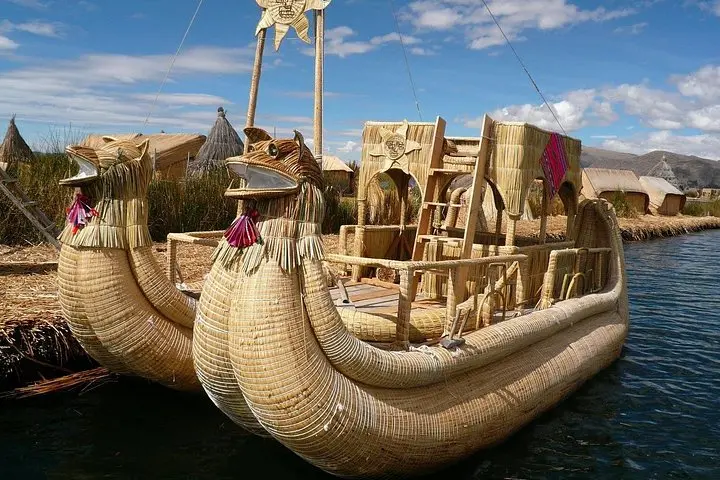
The Uros islands are made from totora reed, harvested and layered continually so the islands rise and fall with the lake. This cultural landscape predates the Inca era; the Uros traditionally fashioned boats, roofs and homes from totora and maintained a semi-nomadic reed economy focused on fishing and weaving. Geologically, Titicaca sits in a high Andean basin — oxygen is thin, the sun is strong, and the lake’s blue surface can look like another sky.
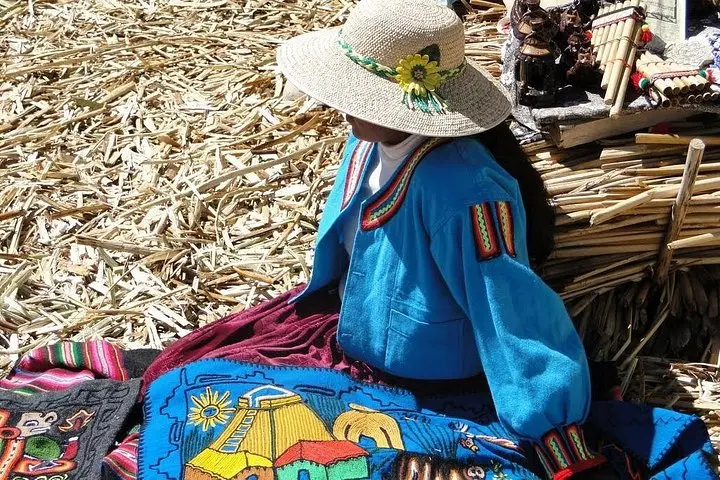
On a 3‑hour morning tour you’ll board a motorboat in Puno, glide through reed beds for roughly 30 minutes, then disembark for a guided walk across two or three islands. Expect demonstrations of reed construction, visits to family dwellings, and an optional short ride on a small reed raft. Guides explain local customs, language snippets (Aymara and Quechua influences) and how reed harvesting shapes daily life.
Practical note: carry layers, sunscreen and water; meetings often include hotel pickup. Be prepared for brief, uneven walking on porous reed surfaces and follow local requests about photography and purchases. The visit is short but intimate — a direct look at living traditions on the world’s highest navigable lake.
The motorboat crossing is roughly 20–40 minutes each way depending on conditions and the islands visited.
Yes — operators require a current valid passport for identification on the day of travel.
Guides coordinate visits with resident families; ask before photographing inside homes and follow requests about purchases or donations.
Generally yes—walking is light but uneven; notify the operator of mobility needs during booking for pickup planning.
PVTravels operates guided outdoor trips and adventures with an emphasis on safety, stewardship, and memorable experiences.
A thin light breaks across Lake Titicaca and the motorboat cuts through reeds that seem to reach back toward the Andes. The cold high-altitude air bites at your cheeks as the town of Puno shrinks behind you and the patchwork of manmade islands comes into view: low, reed-built platforms topped with compact houses and children running barefoot.
A thin light breaks across Lake Titicaca and the motorboat cuts through reeds that seem to reach back toward the Andes. The cold high-altitude air bites at your cheeks as the town of Puno shrinks behind you and the patchwork of manmade islands comes into view: low, reed-built platforms topped with compact houses and children running barefoot.
The Uros islands are made from totora reed, harvested and layered continually so the islands rise and fall with the lake. This cultural landscape predates the Inca era; the Uros traditionally fashioned boats, roofs and homes from totora and maintained a semi-nomadic reed economy focused on fishing and weaving. Geologically, Titicaca sits in a high Andean basin — oxygen is thin, the sun is strong, and the lake’s blue surface can look like another sky.
On a 3‑hour morning tour you’ll board a motorboat in Puno, glide through reed beds for roughly 30 minutes, then disembark for a guided walk across two or three islands. Expect demonstrations of reed construction, visits to family dwellings, and an optional short ride on a small reed raft. Guides explain local customs, language snippets (Aymara and Quechua influences) and how reed harvesting shapes daily life.
Practical note: carry layers, sunscreen and water; meetings often include hotel pickup. Be prepared for brief, uneven walking on porous reed surfaces and follow local requests about photography and purchases. The visit is short but intimate — a direct look at living traditions on the world’s highest navigable lake.