THE ADVENTURE COLLECTIVE® · Independent discovery and booking for outdoor travel

Set out from Puno across Lake Titicaca to visit the reed-built Uros islands and the weaving village of Taquile. This full-day tour blends boat travel, a 30–40 minute uphill walk on Taquile, and a typical local lunch—ideal for travelers who want culture, landscape, and hands-on encounters.
Set out from Puno across Lake Titicaca to visit the reed-built Uros islands and the weaving village of Taquile. This full-day tour blends boat travel, a 30–40 minute uphill walk on Taquile, and a typical local lunch—ideal for travelers who want culture, landscape, and hands-on encounters.
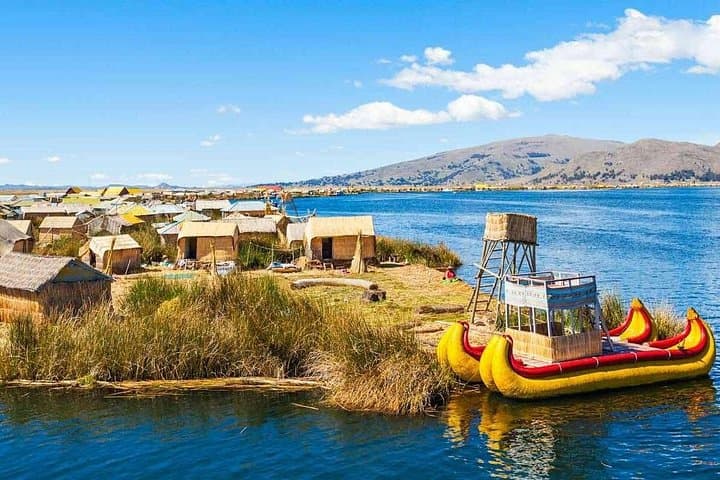
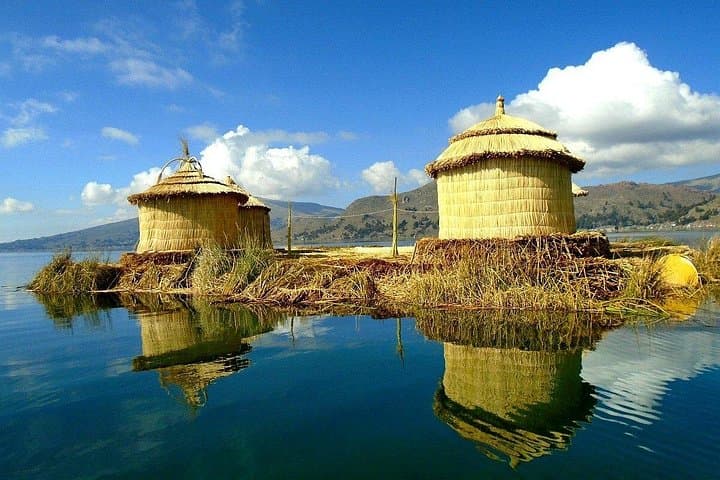
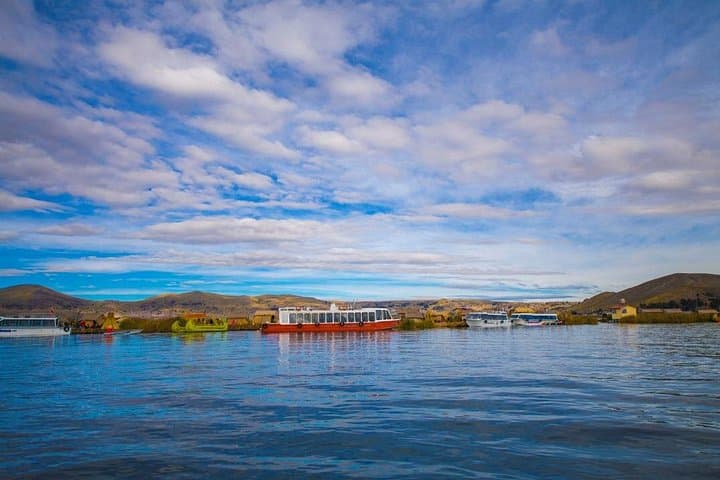
The boat slips away from Puno's sleepy port at dawn, cutting a low wake across a lake that seems to hold the sky. Cold air nips at your face and the thin, high-altitude light sharpens shoreline reeds as the islands of Uros—hand-built platforms of totora—appear like living carpets afloat.
Verified experiences and guided adventures in the surrounding area.
Operated by Machupicchu Holiday · Puno, Puno
The boat slips away from Puno's sleepy port at dawn, cutting a low wake across a lake that seems to hold the sky. Cold air nips at your face and the thin, high-altitude light sharpens shoreline reeds as the islands of Uros—hand-built platforms of totora—appear like living carpets afloat.
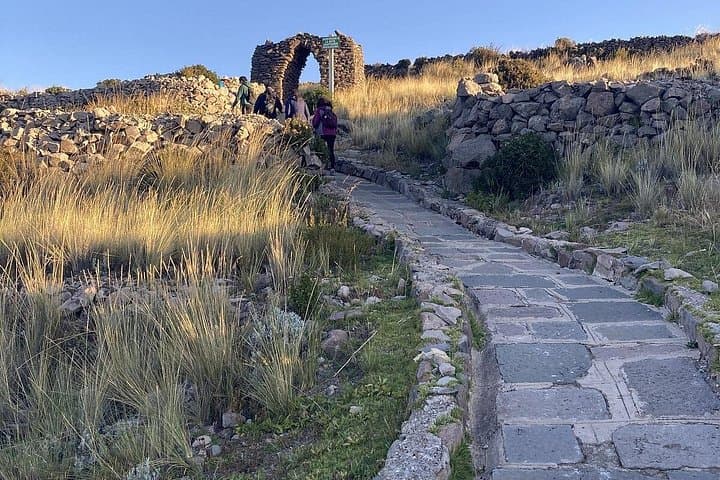
Lake Titicaca is one of the world’s highest navigable lakes, sitting around 3,820–3,840 meters above sea level. The Uros people built their reed islands centuries ago to remain mobile and distinct from mainland groups; their totora craftwork and reed boats remain practical and cultural lifelines. Further out, Taquile Island rises from the blue with stone terraces and a network of stepped trails where men and women continue a weaving tradition recognized by UNESCO for its social and technical complexity.
The tour’s rhythm is straightforward: roughly 25 minutes to Uros, an hour and a half crossing to Taquile, then a 30–40 minute uphill walk to the main plaza for a guided visit and a typical trout lunch before the two-to-two-and-a-half-hour return to Puno. Expect uneven cobbles, wind-exposed viewpoints, and close encounters with local artisans.
Practical notes: acclimatize in Puno before the trip, drink water, and wear layered clothing and good shoes for the uphill section. Carry small bills for community purchases and optional reed-boat rides. Toilets can be basic on the islands. If you suffer motion sickness, take precautions before boarding. With modest fitness and respect for local customs, this full-day crossing delivers culture, highland landscape, and a direct look at living Andean traditions.
Typical crossings are about 25 minutes to Uros, roughly 1.5 hours to Taquile from Uros, and about 2–2.5 hours for the return to Puno, depending on weather.
A typical lunch on Taquile—often grilled trout with sides—is included in the tour price as noted in the itinerary.
The main climb to the central plaza takes 30–40 minutes at a steady pace; it’s steep but manageable for most people with basic fitness.
Yes—handwoven textiles are commonly sold directly by the community; bring cash in small denominations and expect to negotiate politely.
Machupicchu Holiday operates guided outdoor trips and adventures with an emphasis on safety, stewardship, and memorable experiences.
The boat slips away from Puno's sleepy port at dawn, cutting a low wake across a lake that seems to hold the sky. Cold air nips at your face and the thin, high-altitude light sharpens shoreline reeds as the islands of Uros—hand-built platforms of totora—appear like living carpets afloat.
The boat slips away from Puno's sleepy port at dawn, cutting a low wake across a lake that seems to hold the sky. Cold air nips at your face and the thin, high-altitude light sharpens shoreline reeds as the islands of Uros—hand-built platforms of totora—appear like living carpets afloat.
Lake Titicaca is one of the world’s highest navigable lakes, sitting around 3,820–3,840 meters above sea level. The Uros people built their reed islands centuries ago to remain mobile and distinct from mainland groups; their totora craftwork and reed boats remain practical and cultural lifelines. Further out, Taquile Island rises from the blue with stone terraces and a network of stepped trails where men and women continue a weaving tradition recognized by UNESCO for its social and technical complexity.
The tour’s rhythm is straightforward: roughly 25 minutes to Uros, an hour and a half crossing to Taquile, then a 30–40 minute uphill walk to the main plaza for a guided visit and a typical trout lunch before the two-to-two-and-a-half-hour return to Puno. Expect uneven cobbles, wind-exposed viewpoints, and close encounters with local artisans.
Practical notes: acclimatize in Puno before the trip, drink water, and wear layered clothing and good shoes for the uphill section. Carry small bills for community purchases and optional reed-boat rides. Toilets can be basic on the islands. If you suffer motion sickness, take precautions before boarding. With modest fitness and respect for local customs, this full-day crossing delivers culture, highland landscape, and a direct look at living Andean traditions.