THE ADVENTURE COLLECTIVE® · Independent discovery and booking for outdoor travel
A brisk, scenic trek from Ushuaia to an otherworldly emerald lagoon carved by glaciers—Laguna Esmeralda offers dramatic color, peatland waterways, and glacier views in a manageable day hike. This guide covers what to expect, how to prepare, and tips to make the most of the experience.
A brisk, scenic trek from Ushuaia to an otherworldly emerald lagoon carved by glaciers—Laguna Esmeralda offers dramatic color, peatland waterways, and glacier views in a manageable day hike. This guide covers what to expect, how to prepare, and tips to make the most of the experience.
You step out of the minivan and the air feels narrower—cold and bright with a clarity that sharpens every ridge. The trailhead opens into a corridor of lenga and ñire, the forest floor spongy with peat and carpeted in pale moss. For the next two hours the path threads river braids and low bogs, climbs and falls around hummocks, and finally cracks the view: an intense, almost unreal green pool lying at the feet of a glacier-fed river. Laguna Esmeralda earns its name; suspended sediment from Ojo del Albino tints the water a jewel tone that shifts with wind and light.
Verified experiences and guided adventures in the surrounding area.
Operated by Azul Latina Travel · Ushuaia, Tierra del Fuego
You step out of the minivan and the air feels narrower—cold and bright with a clarity that sharpens every ridge. The trailhead opens into a corridor of lenga and ñire, the forest floor spongy with peat and carpeted in pale moss. For the next two hours the path threads river braids and low bogs, climbs and falls around hummocks, and finally cracks the view: an intense, almost unreal green pool lying at the feet of a glacier-fed river. Laguna Esmeralda earns its name; suspended sediment from Ojo del Albino tints the water a jewel tone that shifts with wind and light.
This short but characterful hike is one of Ushuaia’s most accessible introductions to Tierra del Fuego’s mountain-and-peatland ecology. The route follows old summer grazing paths and more recent trekking tracks that traverse the Olivia and Carabajal valleys—landforms carved by ice and time. Geologically, the lagoon sits in a glacial cirque; fine glacial flour and meltwater give the basin its signature hue. Culturally, the route crosses territory historically used by Yámana and Selk'nam peoples whose seasonal patterns followed the land’s resources; later, it became a corridor for settlers and shepherding, then recreational hikers.
The experience is sensory: you’ll hear river stones tumbling, feel wind push across the open peat, and smell the resinous forest after clear weather. Wildlife is subtle—black-browed albatross are absent here, but Austral birds and the occasional guanaco or fox will register as quick, elegant movements at the trail’s edge.
Practical details: the trail to Laguna Esmeralda is about 4.5 km each way (roughly 9 km round-trip) with approximately 250 m (820 ft) of cumulative elevation gain. Typical outfitter itineraries run six hours from downtown Ushuaia including transfers and a boxed lunch at the lagoon. Trails vary from rocky corridors to wet, muddy peat; in winter the surface freezes and crampons or snowshoes may be necessary. Guides provide bilingual support and will adapt equipment based on conditions.
Timing and safety: start early for smoother footing and calmer winds; mid-afternoon on clear days can be blowy. Waterproof footwear and layered insulation are non-negotiable—weather here changes fast. Bring snacks, at least 1–1.5 liters of water, and a camera with a protective covering for spray and wind-driven rain. Respect fragile peatlands by staying on the path; these bogs recover slowly when trampled.
For photographers and day-hikers alike, Laguna Esmeralda delivers a compact, high-reward outing: dramatic color, glacier context, and the peculiar quiet of southern big-country that makes every view feel earned. With sensible gear and a willingness to walk through variable terrain, this trek is an efficient way to touch the “End of the World” landscape without committing to a multiday expedition.
The trail is about 4.5 km each way (around 9 km round-trip) and most itineraries take roughly 5–6 hours including transfers and lunch.
It’s accessible to beginners with reasonable fitness but includes wet, uneven terrain—children should be steady walkers and accompanied by adults.
In winter or after heavy snow, guides may require crampons or snowshoes and will provide or advise on their use based on conditions.
Most operators provide hotel pickup and a 20–45 minute transfer along National Route 3 to the trailhead near the Olivia/Carabajal valleys.
Yes—tours typically include a boxed lunch (with vegetarian, vegan, and celiac options available by request).
Experienced hikers can do the route independently, but hiring a guide is recommended for navigation, safety, and local knowledge, especially in winter.
Azul Latina Travel operates guided outdoor trips and adventures with an emphasis on safety, stewardship, and memorable experiences.
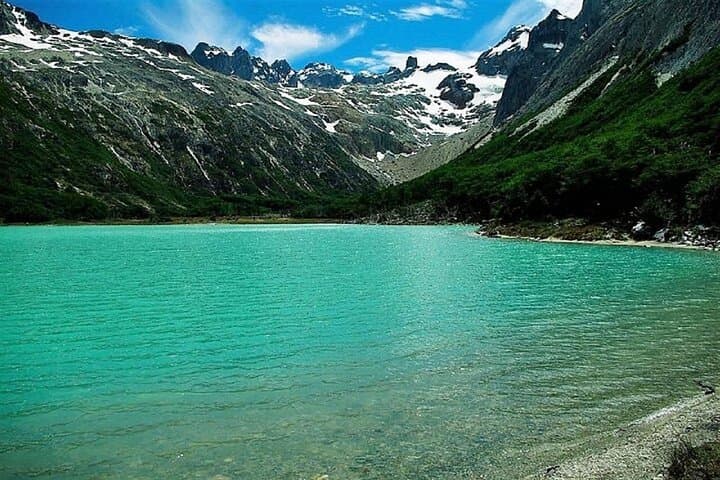
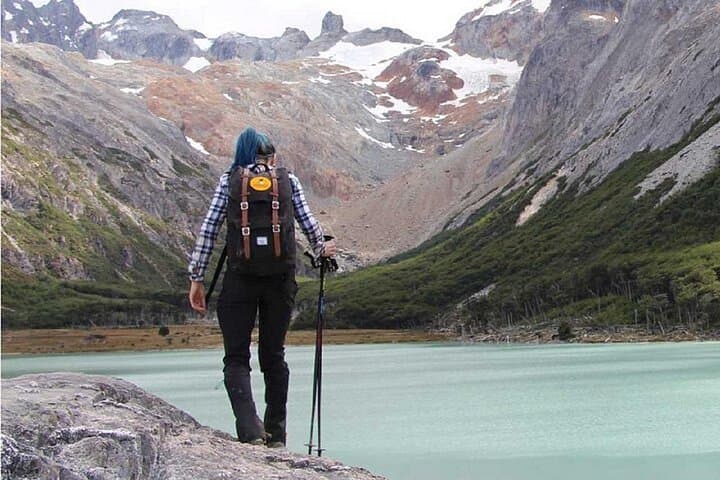
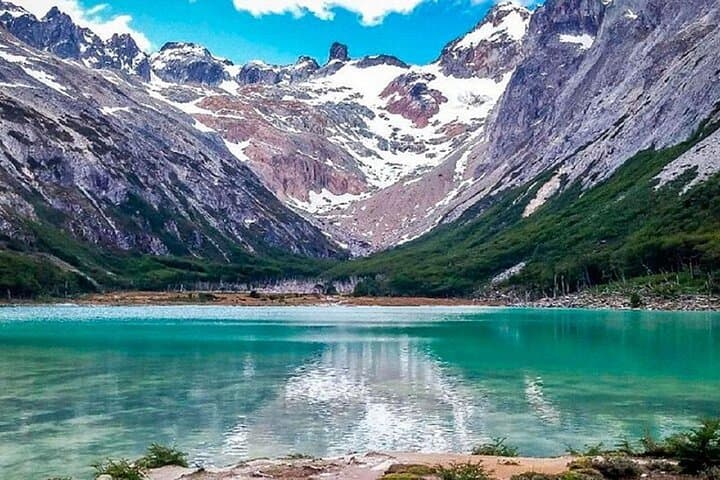
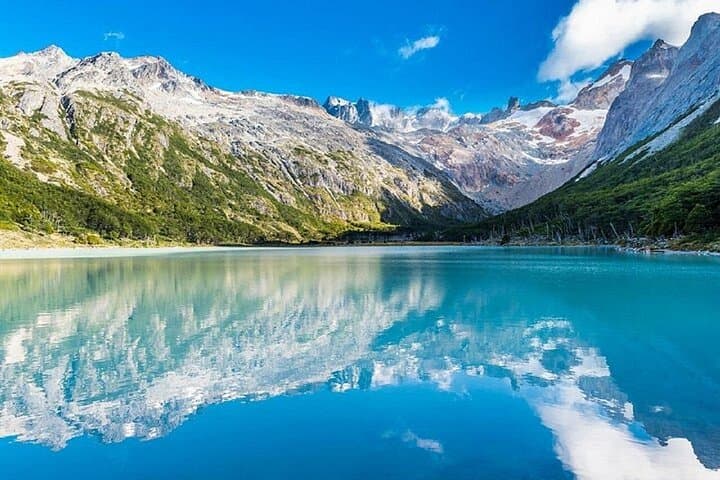
You step out of the minivan and the air feels narrower—cold and bright with a clarity that sharpens every ridge. The trailhead opens into a corridor of lenga and ñire, the forest floor spongy with peat and carpeted in pale moss. For the next two hours the path threads river braids and low bogs, climbs and falls around hummocks, and finally cracks the view: an intense, almost unreal green pool lying at the feet of a glacier-fed river. Laguna Esmeralda earns its name; suspended sediment from Ojo del Albino tints the water a jewel tone that shifts with wind and light.
You step out of the minivan and the air feels narrower—cold and bright with a clarity that sharpens every ridge. The trailhead opens into a corridor of lenga and ñire, the forest floor spongy with peat and carpeted in pale moss. For the next two hours the path threads river braids and low bogs, climbs and falls around hummocks, and finally cracks the view: an intense, almost unreal green pool lying at the feet of a glacier-fed river. Laguna Esmeralda earns its name; suspended sediment from Ojo del Albino tints the water a jewel tone that shifts with wind and light.
This short but characterful hike is one of Ushuaia’s most accessible introductions to Tierra del Fuego’s mountain-and-peatland ecology. The route follows old summer grazing paths and more recent trekking tracks that traverse the Olivia and Carabajal valleys—landforms carved by ice and time. Geologically, the lagoon sits in a glacial cirque; fine glacial flour and meltwater give the basin its signature hue. Culturally, the route crosses territory historically used by Yámana and Selk'nam peoples whose seasonal patterns followed the land’s resources; later, it became a corridor for settlers and shepherding, then recreational hikers.
The experience is sensory: you’ll hear river stones tumbling, feel wind push across the open peat, and smell the resinous forest after clear weather. Wildlife is subtle—black-browed albatross are absent here, but Austral birds and the occasional guanaco or fox will register as quick, elegant movements at the trail’s edge.
Practical details: the trail to Laguna Esmeralda is about 4.5 km each way (roughly 9 km round-trip) with approximately 250 m (820 ft) of cumulative elevation gain. Typical outfitter itineraries run six hours from downtown Ushuaia including transfers and a boxed lunch at the lagoon. Trails vary from rocky corridors to wet, muddy peat; in winter the surface freezes and crampons or snowshoes may be necessary. Guides provide bilingual support and will adapt equipment based on conditions.
Timing and safety: start early for smoother footing and calmer winds; mid-afternoon on clear days can be blowy. Waterproof footwear and layered insulation are non-negotiable—weather here changes fast. Bring snacks, at least 1–1.5 liters of water, and a camera with a protective covering for spray and wind-driven rain. Respect fragile peatlands by staying on the path; these bogs recover slowly when trampled.
For photographers and day-hikers alike, Laguna Esmeralda delivers a compact, high-reward outing: dramatic color, glacier context, and the peculiar quiet of southern big-country that makes every view feel earned. With sensible gear and a willingness to walk through variable terrain, this trek is an efficient way to touch the “End of the World” landscape without committing to a multiday expedition.
