THE ADVENTURE COLLECTIVE® · Independent discovery and booking for outdoor travel

Move quietly into Uvita’s nocturnal rainforest and watch frogs, tarantulas, snakes, sloths and night birds reveal themselves under guided lantern light. This two-hour walk combines hands-on natural history with easy trail hiking for memorable wildlife encounters.
Move quietly into Uvita’s nocturnal rainforest and watch frogs, tarantulas, snakes, sloths and night birds reveal themselves under guided lantern light. This two-hour walk combines hands-on natural history with easy trail hiking for memorable wildlife encounters.
A hush falls over the Uvita foothills as headlamps carve narrow cones through humid air; frogs answer with metallic clacks and a distant river pushes a steady, murmuring presence. On this guided night walk you move slowly along forest trails in the mountains above Uvita, following guides who read the dark for the small, secretive lives that emerge after sunset.
Verified experiences and guided adventures in the surrounding area.
Operated by Uvita Night Tours · Uvita, Puntarenas
A hush falls over the Uvita foothills as headlamps carve narrow cones through humid air; frogs answer with metallic clacks and a distant river pushes a steady, murmuring presence. On this guided night walk you move slowly along forest trails in the mountains above Uvita, following guides who read the dark for the small, secretive lives that emerge after sunset.
The Central Pacific coast of Costa Rica sits at an ecological crossroads—ancient volcanic soils give way to fast-draining ridges and steep valleys, feeding streams that attract a concentration of nocturnal amphibians and arthropods. Indigenous and settler histories here are tied to the land and sea; today local communities balance ecotourism with small-scale farming and marine protection near Marino Ballena National Park.
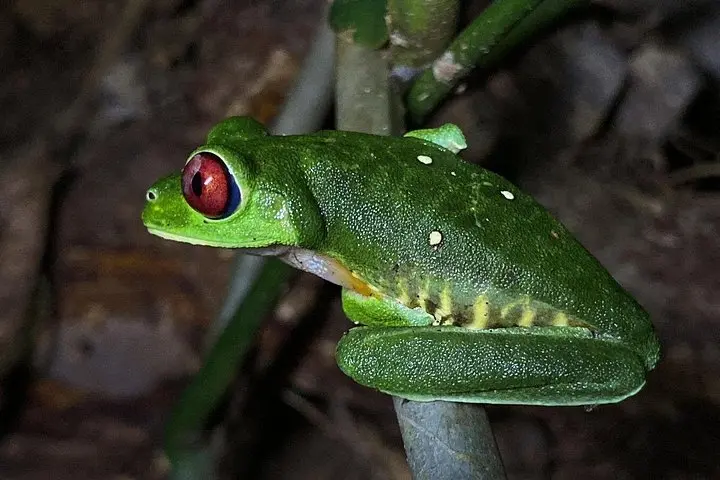
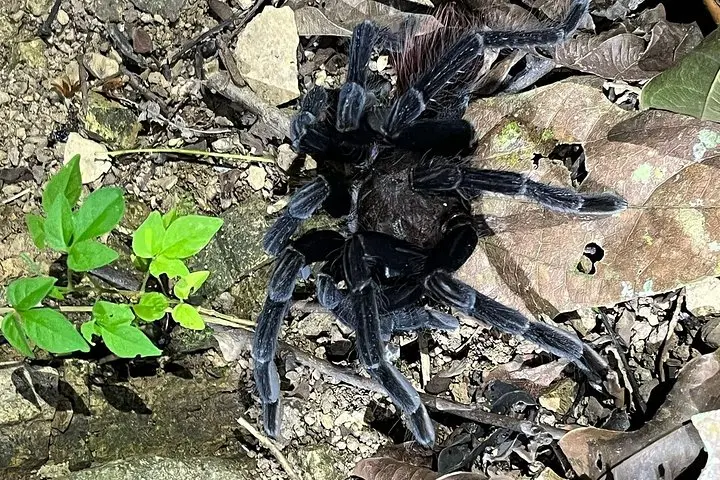
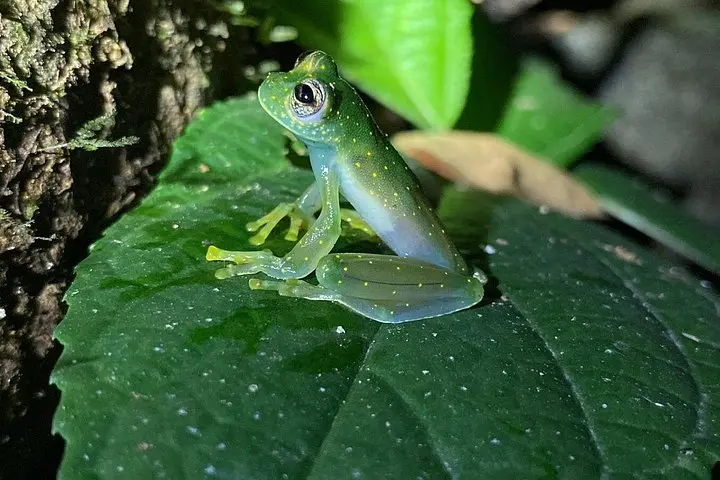
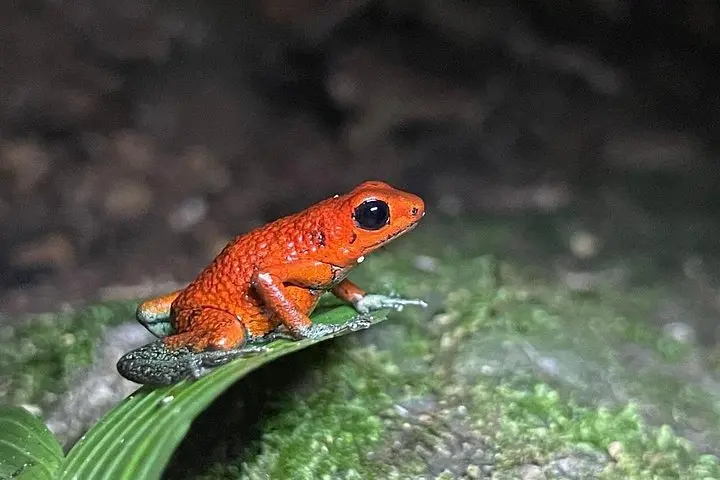
Guides focus on forest interpretation: tree identification, fungi, reptiles, frogs, tarantulas, sloths, and occasional nocturnal mammals. The walk typically starts from a meeting point in Uvita, followed by a short drive up to the trailhead (a 10-minute 4x4 approach recommended). Groups are small and interactive—guides bring lanterns and instructive flashes for photography.
Practical edge: expect muddy, uneven trails and intermittent stream crossings. Wear ankle-support footwear or accept the provided rubber boots when needed, bring a headlamp, insect repellent, and a camera with a quiet shutter or phone suitable for low-light shots. Move slowly, keep voices low, and follow guide directions—this maximizes sightings while minimizing disturbance to wildlife. The tour runs about two hours and is ideal for travelers who want concentrated, guided wildlife viewing after dark.
The tour lasts about two hours and is rated easy—walking is slow-paced but may include uneven, muddy trails and small stream crossings.
Yes—guides provide safety rubber boots (you’ll be asked for shoe size) and lanterns; bringing your own headlamp is recommended.
You may bring cameras and phones; guides assist with low-light photography—tripods should be compact and used only when the guide indicates it won’t disturb wildlife.
A 4x4 or SUV is recommended from the meeting point to the trailhead (about 10 minutes). Shuttle transport can often be arranged for an extra fee—confirm at booking.
Uvita Night Tours operates guided outdoor trips and adventures with an emphasis on safety, stewardship, and memorable experiences.
A hush falls over the Uvita foothills as headlamps carve narrow cones through humid air; frogs answer with metallic clacks and a distant river pushes a steady, murmuring presence. On this guided night walk you move slowly along forest trails in the mountains above Uvita, following guides who read the dark for the small, secretive lives that emerge after sunset.
A hush falls over the Uvita foothills as headlamps carve narrow cones through humid air; frogs answer with metallic clacks and a distant river pushes a steady, murmuring presence. On this guided night walk you move slowly along forest trails in the mountains above Uvita, following guides who read the dark for the small, secretive lives that emerge after sunset.
The Central Pacific coast of Costa Rica sits at an ecological crossroads—ancient volcanic soils give way to fast-draining ridges and steep valleys, feeding streams that attract a concentration of nocturnal amphibians and arthropods. Indigenous and settler histories here are tied to the land and sea; today local communities balance ecotourism with small-scale farming and marine protection near Marino Ballena National Park.
Guides focus on forest interpretation: tree identification, fungi, reptiles, frogs, tarantulas, sloths, and occasional nocturnal mammals. The walk typically starts from a meeting point in Uvita, followed by a short drive up to the trailhead (a 10-minute 4x4 approach recommended). Groups are small and interactive—guides bring lanterns and instructive flashes for photography.
Practical edge: expect muddy, uneven trails and intermittent stream crossings. Wear ankle-support footwear or accept the provided rubber boots when needed, bring a headlamp, insect repellent, and a camera with a quiet shutter or phone suitable for low-light shots. Move slowly, keep voices low, and follow guide directions—this maximizes sightings while minimizing disturbance to wildlife. The tour runs about two hours and is ideal for travelers who want concentrated, guided wildlife viewing after dark.