THE ADVENTURE COLLECTIVE® · Independent discovery and booking for outdoor travel

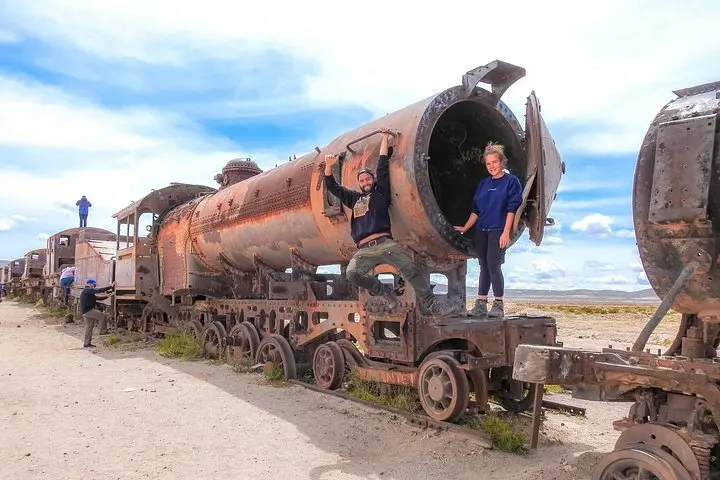
Travel overnight from La Paz to stand on the Salar de Uyuni: a three-day loop of night buses, the haunting Train Graveyard, salt workshops in Colchani, and the cactus-strewn Incahuasi isle. Expect stark landscapes, high-altitude conditions, and a day of easy exploration with big photographic payoff.
Travel overnight from La Paz to stand on the Salar de Uyuni: a three-day loop of night buses, the haunting Train Graveyard, salt workshops in Colchani, and the cactus-strewn Incahuasi isle. Expect stark landscapes, high-altitude conditions, and a day of easy exploration with big photographic payoff.
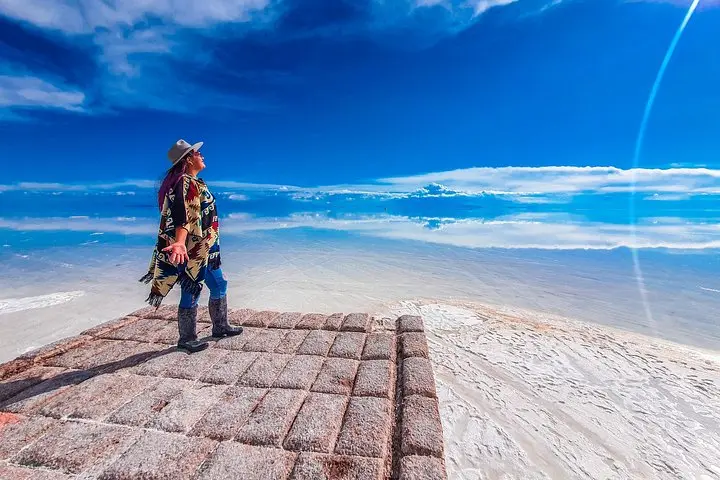
At dawn the desert looks like a white ocean—flat, bright, and endless—while the bus door opens on Uyuni and the cold hits first. You step out into wind that pushes against the salt crust and the sky looks impossibly close; perspective games and giant cacti on Incahuasi make human scale feel playful and small.
Verified experiences and guided adventures in the surrounding area.
Operated by Perla de Bolivia · Uyuni, Potosí Department
At dawn the desert looks like a white ocean—flat, bright, and endless—while the bus door opens on Uyuni and the cold hits first. You step out into wind that pushes against the salt crust and the sky looks impossibly close; perspective games and giant cacti on Incahuasi make human scale feel playful and small.
Geologically, the Salar de Uyuni is the remains of a vast Pleistocene lake, now a near-perfect salt pan that stores layers of evaporite minerals and mirrors the sky in the wet months. Culturally the area bears traces of mining and rail history: the Train Graveyard on the outskirts of Uyuni speaks to the late 19th-century mineral boom, while Colchani’s salt workshops and textile stalls reflect local livelihoods tied to the salt and Andean herding traditions.
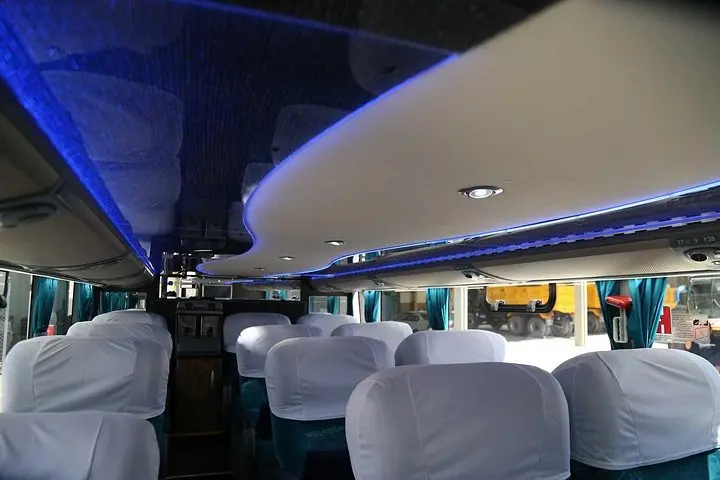
This tour combines long overnight coach transfers with a full day on site: morning pickup in La Paz, a night bus with reclining seats and heating, a guided full-day 4WD loop that includes the Train Cemetery, Colchani, Incahuasi island hike (season permitting), salt-hotel museum, and a salt-flat sunset before the return overnight bus.
Practical edge: altitude matters—Uyuni sits around 3,650 m; hydrate, move slowly, and avoid heavy exertion on arrival. Carry cash in small bills for park fees and handicrafts, use high-SPF sun protection, and bring layers for temperature swings between sun, wind and night. If you’re traveling January–March expect flooding that can alter the route and close Incahuasi; check seasonal conditions before you go.
The dry season (May–October) offers hard white crust and clear skies for travel; the wet season (December–March) creates reflective 'mirror' conditions but can limit access to some sites like Incahuasi.
Most operator itineraries do not include park or museum entrance fees—bring small Bolivianos or confirm with the provider before travel.
Buses on this route feature reclining seats, heating, blankets and toilets, but expect long hours and limited privacy—bring earplugs and a travel pillow.
The main tour is low-impact, but accessing viewpoints and Incahuasi involves uneven ground and steps; travelers with serious mobility issues should check specifics in advance.
Perla de Bolivia operates guided outdoor trips and adventures with an emphasis on safety, stewardship, and memorable experiences.
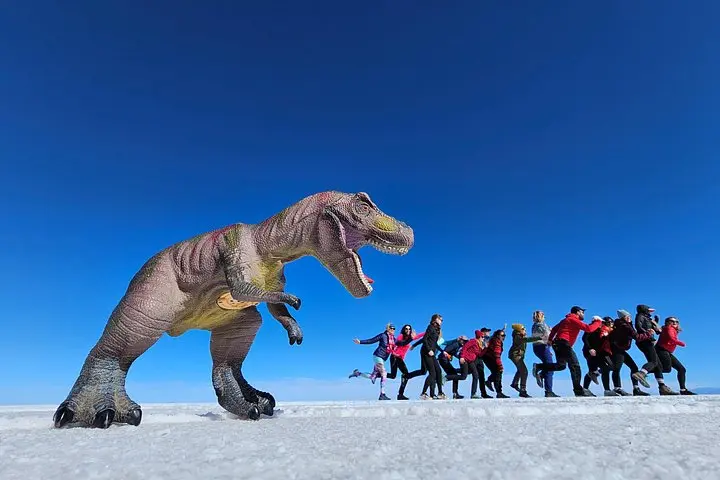
At dawn the desert looks like a white ocean—flat, bright, and endless—while the bus door opens on Uyuni and the cold hits first. You step out into wind that pushes against the salt crust and the sky looks impossibly close; perspective games and giant cacti on Incahuasi make human scale feel playful and small.
At dawn the desert looks like a white ocean—flat, bright, and endless—while the bus door opens on Uyuni and the cold hits first. You step out into wind that pushes against the salt crust and the sky looks impossibly close; perspective games and giant cacti on Incahuasi make human scale feel playful and small.
Geologically, the Salar de Uyuni is the remains of a vast Pleistocene lake, now a near-perfect salt pan that stores layers of evaporite minerals and mirrors the sky in the wet months. Culturally the area bears traces of mining and rail history: the Train Graveyard on the outskirts of Uyuni speaks to the late 19th-century mineral boom, while Colchani’s salt workshops and textile stalls reflect local livelihoods tied to the salt and Andean herding traditions.
This tour combines long overnight coach transfers with a full day on site: morning pickup in La Paz, a night bus with reclining seats and heating, a guided full-day 4WD loop that includes the Train Cemetery, Colchani, Incahuasi island hike (season permitting), salt-hotel museum, and a salt-flat sunset before the return overnight bus.
Practical edge: altitude matters—Uyuni sits around 3,650 m; hydrate, move slowly, and avoid heavy exertion on arrival. Carry cash in small bills for park fees and handicrafts, use high-SPF sun protection, and bring layers for temperature swings between sun, wind and night. If you’re traveling January–March expect flooding that can alter the route and close Incahuasi; check seasonal conditions before you go.