
Uyuni Salt Flats 3-Day Tour from San Pedro de Atacama — Salar de Uyuni Expedition
Cross the altiplano from San Pedro de Atacama to Salar de Uyuni over three days of high‑altitude vistas, salt deserts and community stays. This practical guide covers what to expect: terrain, accommodations, and how to prepare for the altitude, sun and cold.
An Adventure In San Pedro de Atacama.
Cross the altiplano from San Pedro de Atacama to Salar de Uyuni over three days of high‑altitude vistas, salt deserts and community stays. This practical guide covers what to expect: terrain, accommodations, and how to prepare for the altitude, sun and cold.
Read the full experience
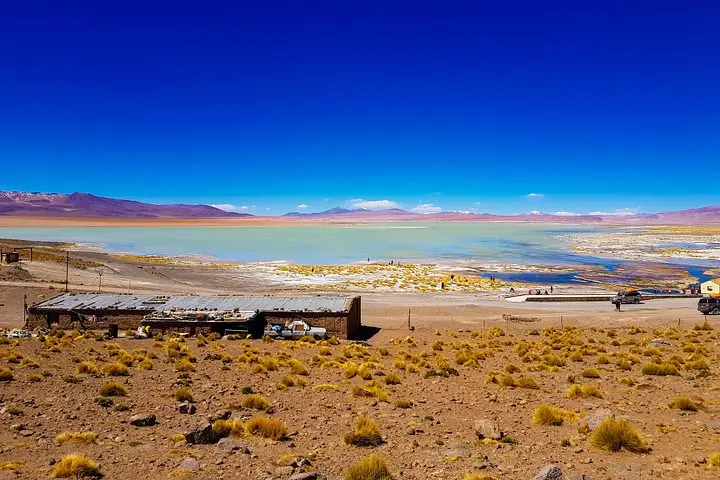
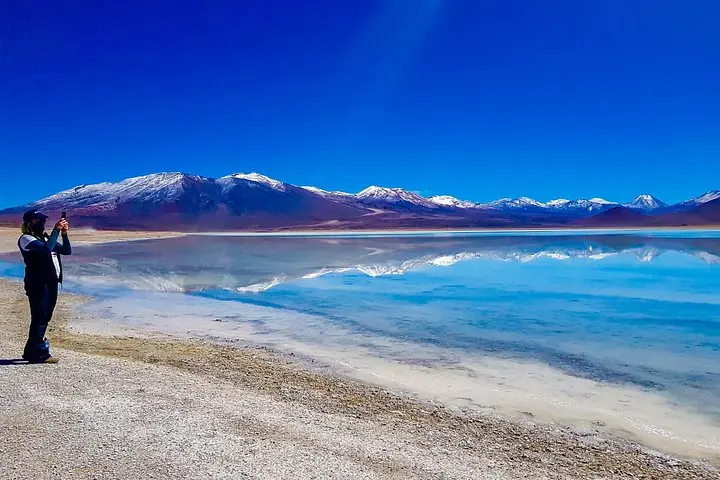
A wind-swept whiteness stretches to the horizon and the vehicle plows a shallow crust of salt while volcanoes hover like distant sentries — this is the Uyuni Salt Flats seen across three days beginning in San Pedro de Atacama. The first morning climbs over the high-altitude altiplano into Eduardo Abaroa National Park, where emerald and turquoise lagunas flash at the foot of Licancabur and the Salvador Dalí–like shapes of the desert shape the route.
A wind-swept whiteness stretches to the horizon and the vehicle plows a shallow crust of salt while volcanoes hover like distant sentries — this is the Uyuni Salt Flats seen across three days beginning in San Pedro de Atacama. The first morning climbs over the high-altitude altiplano into Eduardo Abaroa National Park, where emerald and turquoise lagunas flash at the foot of Licancabur and the Salvador Dalí–like shapes of the desert shape the route.
The salt flats are a remnant of prehistoric lakes; beneath the blinding white lies a layered history of evaporated water, lithium-rich salt crusts and fossils of ancient coral. Cultural notes arrive in small communities such as Huayllajara and Agencha, where residents maintain highland pastoral traditions and simple hostels that support local economies. Incahuasi Island presents giant cacti and eroded rock formations born of volcanic uplift and subsequent wave action.
Expect long drives on gravel tracks, short walks on salty plains, and clear, cold nights at altitude. The itinerary includes community-run lodgings and two nights of shared hostel rooms, plus visits to Colchani’s salt workshops and Uyuni’s train graveyard. Guides handle logistics and meals, but acclimatization, sun protection and layered clothing are essential.
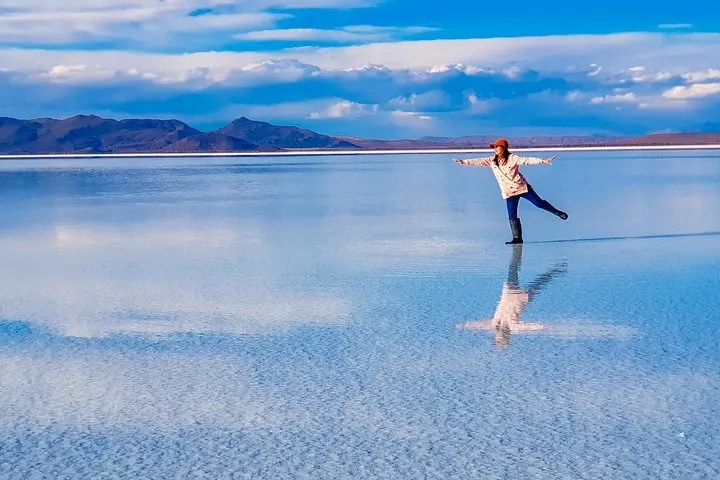
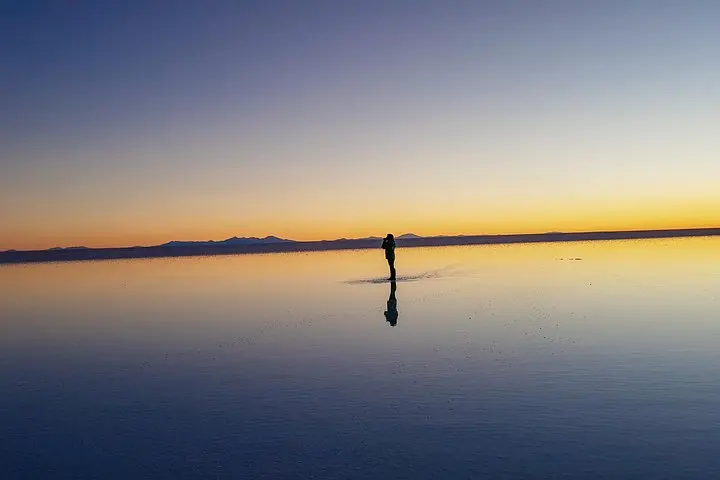
Practical tips: ascend slowly, hydrate, limit alcohol, and schedule the mirror-effect photos around midday when the shallow runoff appears. Footing on the salt can be crunchy and uneven — good boots and warm layers make the difference between a long day and a memorable one.
Frequently asked questions
Yes; travel from much lower elevations directly to 3,600–4,500 m increases risk of altitude sickness — allow at least 24–48 hours in San Pedro de Atacama to adjust.
Accommodations are community-run hostels with shared dorms and basic private rooms in Huayllajara and Agencha, offering simple facilities and local meals.
Most lunches, breakfasts and dinners listed in the itinerary are included; guides typically provide local, hearty high‑altitude meals with vegetarian options available on request.
Yes — photography is a highlight; bring a wide-angle lens and protect gear from salt spray and bright reflection by using lens filters and cleaning cloths.
About This Experience
Perla de Bolivia operates guided outdoor trips and adventures with an emphasis on safety, stewardship, and memorable experiences.
Adventure tips
Recommended gear
- Insulated jacket: Keeps you warm during freezing nights and high‑altitude mornings.
- Polarized sunglasses: Reduces glare from bright salt surfaces for safer driving and clearer photos.
- Sturdy hiking shoes: Provides traction on gravel, salt crust and island rock formations.
- Water bottle + electrolytes: Hydration and electrolyte replacement are critical at altitude to help prevent headaches and fatigue.
Photos of the experience
Related adventures & guides
Read the full experience
A wind-swept whiteness stretches to the horizon and the vehicle plows a shallow crust of salt while volcanoes hover like distant sentries — this is the Uyuni Salt Flats seen across three days beginning in San Pedro de Atacama. The first morning climbs over the high-altitude altiplano into Eduardo Abaroa National Park, where emerald and turquoise lagunas flash at the foot of Licancabur and the Salvador Dalí–like shapes of the desert shape the route.
A wind-swept whiteness stretches to the horizon and the vehicle plows a shallow crust of salt while volcanoes hover like distant sentries — this is the Uyuni Salt Flats seen across three days beginning in San Pedro de Atacama. The first morning climbs over the high-altitude altiplano into Eduardo Abaroa National Park, where emerald and turquoise lagunas flash at the foot of Licancabur and the Salvador Dalí–like shapes of the desert shape the route.
The salt flats are a remnant of prehistoric lakes; beneath the blinding white lies a layered history of evaporated water, lithium-rich salt crusts and fossils of ancient coral. Cultural notes arrive in small communities such as Huayllajara and Agencha, where residents maintain highland pastoral traditions and simple hostels that support local economies. Incahuasi Island presents giant cacti and eroded rock formations born of volcanic uplift and subsequent wave action.
Expect long drives on gravel tracks, short walks on salty plains, and clear, cold nights at altitude. The itinerary includes community-run lodgings and two nights of shared hostel rooms, plus visits to Colchani’s salt workshops and Uyuni’s train graveyard. Guides handle logistics and meals, but acclimatization, sun protection and layered clothing are essential.
Practical tips: ascend slowly, hydrate, limit alcohol, and schedule the mirror-effect photos around midday when the shallow runoff appears. Footing on the salt can be crunchy and uneven — good boots and warm layers make the difference between a long day and a memorable one.
Make a day of it nearby.
Verified experiences and guided adventures in the surrounding area.