THE ADVENTURE COLLECTIVE® · Independent discovery and booking for outdoor travel

Fly from La Paz to the Salar de Uyuni for a three-day journey across the world’s largest salt flat. Visit Incahuasi Island, climb Tunupa viewpoints, sleep in a salt hotel and watch flamingos in high-altitude lagoons.
Fly from La Paz to the Salar de Uyuni for a three-day journey across the world’s largest salt flat. Visit Incahuasi Island, climb Tunupa viewpoints, sleep in a salt hotel and watch flamingos in high-altitude lagoons.
You step off a short highland flight and the world opens into a white plane: salt flats so wide the horizon bends like a sheet of light. Wind sculpts low ridges; distant volcanoes stand like slow metronomes. Your guide leads you across a surface that reflects sky and sun with the confidence of a mirror, and by dusk the flats turn into a bright field for glass-of-wine toasts and stargazing.
Verified experiences and guided adventures in the surrounding area.
Operated by Mundicontact Expeditions · Uyuni, Potosí
You step off a short highland flight and the world opens into a white plane: salt flats so wide the horizon bends like a sheet of light. Wind sculpts low ridges; distant volcanoes stand like slow metronomes. Your guide leads you across a surface that reflects sky and sun with the confidence of a mirror, and by dusk the flats turn into a bright field for glass-of-wine toasts and stargazing.
The Salar de Uyuni sits on the Altiplano at roughly 3,650–3,700 m elevation, a remnant of prehistoric lakes. Tunupa Volcano rises nearby, its lava and pumice telling of Andean uplift and volcanic cycles that shaped local microclimates. The Aymara and Quechua people have long harvested salt here and carved livelihoods across this harsh, luminous landscape; you’ll pass artisanal salt workshops and the Coquesa cave with its mummified remains — both cultural bookmarks on the route.
Expect varied terrain: hard salt crust, salt pillars, and the cactus-covered outcrop of Incahuasi. Wildlife appears in flashes — flamingos in shallow lagoons, vicuñas and llamas on the upland slopes. Nights are cold and clear; days can be intensely bright.
Practical guidance: acclimatize in La Paz a day or two before flying; wear layered, windproof clothing and high-SPF sun protection; bring a reusable water bottle and sunglasses. Travel by 4x4 between highlights; follow your guide’s route to protect fragile salt crust and breeding grounds. Accommodations include salt-construction hotels and small mountain lodges — book them in advance. With modest physical fitness and respect for high-altitude conditions, this three-day circuit delivers one of South America’s most singular landscapes.
The region sits around 3,600–3,700 m; some travelers experience mild altitude symptoms — rest in La Paz beforehand, hydrate, and consult a doctor about acetazolamide if concerned.
You can walk on large areas of the crust, but guides know which sections are fragile; always follow their instructions to protect the surface and avoid concealed water pockets.
Options include salt-constructed hotels and small lodges with basic amenities; rooms are warm but nights are cold, and services are adapted to remote conditions.
The mirror effect is most visible during the rainy season (Dec–Feb) when a thin layer of water covers the flats; dry season offers classic salt textures and easier vehicle access.
Mundicontact Expeditions operates guided outdoor trips and adventures with an emphasis on safety, stewardship, and memorable experiences.
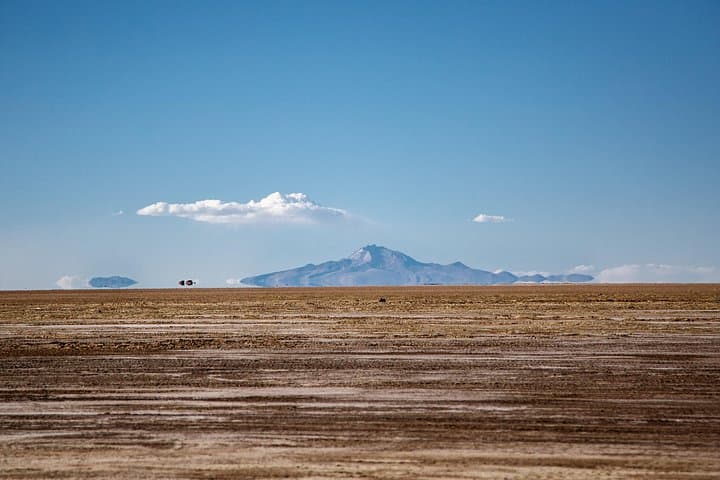


You step off a short highland flight and the world opens into a white plane: salt flats so wide the horizon bends like a sheet of light. Wind sculpts low ridges; distant volcanoes stand like slow metronomes. Your guide leads you across a surface that reflects sky and sun with the confidence of a mirror, and by dusk the flats turn into a bright field for glass-of-wine toasts and stargazing.
You step off a short highland flight and the world opens into a white plane: salt flats so wide the horizon bends like a sheet of light. Wind sculpts low ridges; distant volcanoes stand like slow metronomes. Your guide leads you across a surface that reflects sky and sun with the confidence of a mirror, and by dusk the flats turn into a bright field for glass-of-wine toasts and stargazing.
The Salar de Uyuni sits on the Altiplano at roughly 3,650–3,700 m elevation, a remnant of prehistoric lakes. Tunupa Volcano rises nearby, its lava and pumice telling of Andean uplift and volcanic cycles that shaped local microclimates. The Aymara and Quechua people have long harvested salt here and carved livelihoods across this harsh, luminous landscape; you’ll pass artisanal salt workshops and the Coquesa cave with its mummified remains — both cultural bookmarks on the route.
Expect varied terrain: hard salt crust, salt pillars, and the cactus-covered outcrop of Incahuasi. Wildlife appears in flashes — flamingos in shallow lagoons, vicuñas and llamas on the upland slopes. Nights are cold and clear; days can be intensely bright.
Practical guidance: acclimatize in La Paz a day or two before flying; wear layered, windproof clothing and high-SPF sun protection; bring a reusable water bottle and sunglasses. Travel by 4x4 between highlights; follow your guide’s route to protect fragile salt crust and breeding grounds. Accommodations include salt-construction hotels and small mountain lodges — book them in advance. With modest physical fitness and respect for high-altitude conditions, this three-day circuit delivers one of South America’s most singular landscapes.