THE ADVENTURE COLLECTIVE® · Independent discovery and booking for outdoor travel

Cross the world’s largest salt flat and the otherworldly highlands of Eduardo Avaroa in a three-day high-altitude circuit. Expect geysers, flamingo-studded lagoons, petrified coral, and volcanic panoramas — with practical tips for altitude and weather.
Cross the world’s largest salt flat and the otherworldly highlands of Eduardo Avaroa in a three-day high-altitude circuit. Expect geysers, flamingo-studded lagoons, petrified coral, and volcanic panoramas — with practical tips for altitude and weather.
You step out before dawn and the salt throws back a hard, white light — the horizon a razor where sky meets uninterrupted crust. The first day unfolds slowly: the iron skeletons of the train cemetery, the compacted salt workshops at Colchani, and then Incahuasi Island where giant cacti rise from petrified coral like time-stopped sentries. The wind has a voice here; it pushes across the plain and dares you to look farther.
Verified experiences and guided adventures in the surrounding area.
Operated by Mega Expeditions · Uyuni, Potosí Department
You step out before dawn and the salt throws back a hard, white light — the horizon a razor where sky meets uninterrupted crust. The first day unfolds slowly: the iron skeletons of the train cemetery, the compacted salt workshops at Colchani, and then Incahuasi Island where giant cacti rise from petrified coral like time-stopped sentries. The wind has a voice here; it pushes across the plain and dares you to look farther.
This landscape was shaped by prehistoric lakes that evaporated over millennia, leaving the world’s largest salt flat and a vast lithium-bearing brine beneath. Eduardo Avaroa National Reserve is younger in drama: volcanic fields, high-altitude lagoons streaked red and green by microbes and minerals, and geyser fields that remind you the earth is still restless. Indigenous Aymara and Quechua communities have long traversed these plateaus; local salt harvesting and crafts at Colchani reflect that living connection.
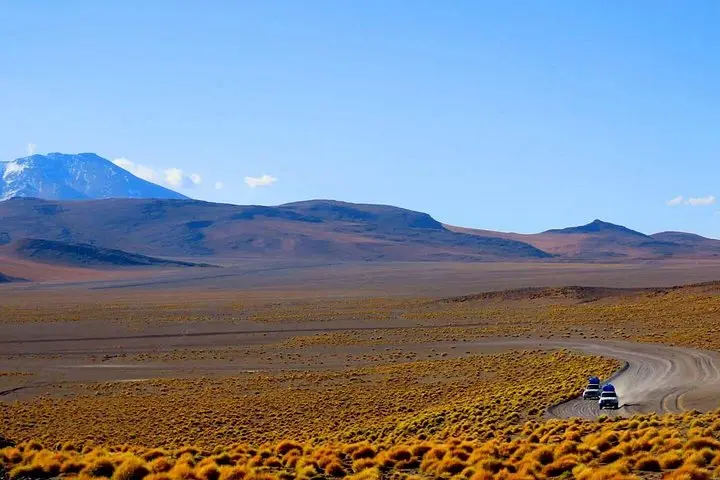
Expect elevation shifts from roughly 3,650 m in Uyuni to 5,000 m at Sol de Mañana; terrain alternates between glassy salt crust, gravel desert, and pumice around geothermal zones. Wildlife centers on high-Andean species — flamingos, vizcachas — that animate lagoons and rocks.
Practical edge: acclimatize in Uyuni for at least a day, carry 3–4 liters of water, sun protection, and warm, windproof layers for night temps well below freezing. Footwear should handle salt flats (slick when wet) and rocky island trails. Plan field hygiene (limited facilities), and start early to avoid midday winds and to catch the color changes at Laguna Colorada and the geysers. With the right prep this 3-day loop delivers geology, wildlife, and an uncompromising sense of place.
Many travelers feel mild symptoms above 3,500 m; acclimatize in Uyuni, hydrate, avoid alcohol, and consider acetazolamide after consulting a physician.
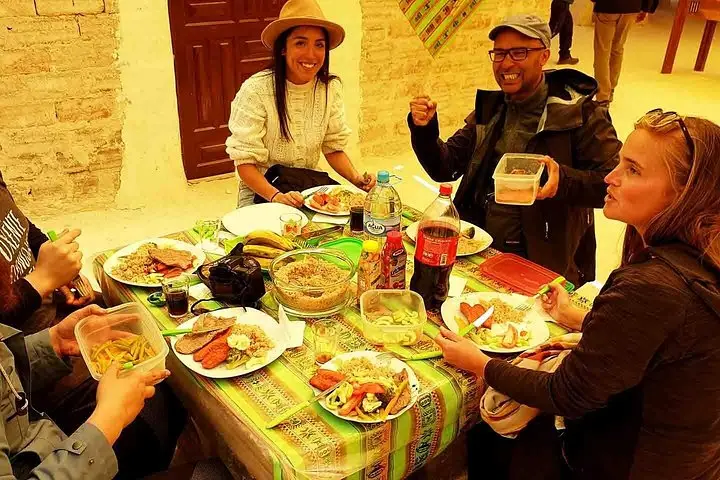
Basic shared hostels and family accommodations with mixed dorms and simple amenities are standard; expect hot meals included according to the itinerary.
Facilities are limited and often basic; crews typically provide planned stops but bring your own supplies for comfort.
Hikes are short to moderate but at high elevation; no technical climbing required, though footing can be uneven on island trails and desert scree.
Mega Expeditions operates guided outdoor trips and adventures with an emphasis on safety, stewardship, and memorable experiences.
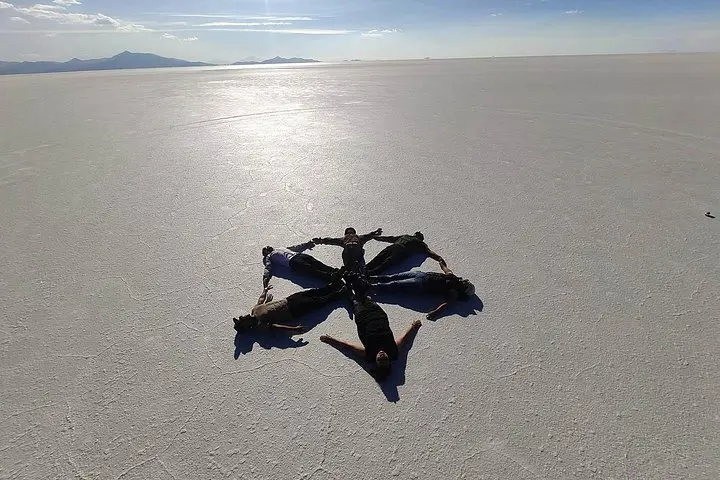
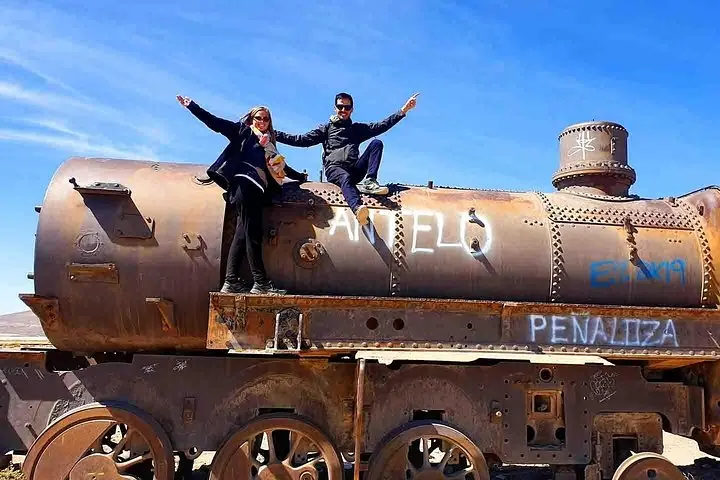
You step out before dawn and the salt throws back a hard, white light — the horizon a razor where sky meets uninterrupted crust. The first day unfolds slowly: the iron skeletons of the train cemetery, the compacted salt workshops at Colchani, and then Incahuasi Island where giant cacti rise from petrified coral like time-stopped sentries. The wind has a voice here; it pushes across the plain and dares you to look farther.
You step out before dawn and the salt throws back a hard, white light — the horizon a razor where sky meets uninterrupted crust. The first day unfolds slowly: the iron skeletons of the train cemetery, the compacted salt workshops at Colchani, and then Incahuasi Island where giant cacti rise from petrified coral like time-stopped sentries. The wind has a voice here; it pushes across the plain and dares you to look farther.
This landscape was shaped by prehistoric lakes that evaporated over millennia, leaving the world’s largest salt flat and a vast lithium-bearing brine beneath. Eduardo Avaroa National Reserve is younger in drama: volcanic fields, high-altitude lagoons streaked red and green by microbes and minerals, and geyser fields that remind you the earth is still restless. Indigenous Aymara and Quechua communities have long traversed these plateaus; local salt harvesting and crafts at Colchani reflect that living connection.
Expect elevation shifts from roughly 3,650 m in Uyuni to 5,000 m at Sol de Mañana; terrain alternates between glassy salt crust, gravel desert, and pumice around geothermal zones. Wildlife centers on high-Andean species — flamingos, vizcachas — that animate lagoons and rocks.
Practical edge: acclimatize in Uyuni for at least a day, carry 3–4 liters of water, sun protection, and warm, windproof layers for night temps well below freezing. Footwear should handle salt flats (slick when wet) and rocky island trails. Plan field hygiene (limited facilities), and start early to avoid midday winds and to catch the color changes at Laguna Colorada and the geysers. With the right prep this 3-day loop delivers geology, wildlife, and an uncompromising sense of place.