THE ADVENTURE COLLECTIVE® · Independent discovery and booking for outdoor travel

A full‑day private drive from Rome through Val d'Orcia visiting Montepulciano, Pienza and Montalcino. Experience Renaissance streets, hilltop views and world-class wineries with guided time in each town.
A full‑day private drive from Rome through Val d'Orcia visiting Montepulciano, Pienza and Montalcino. Experience Renaissance streets, hilltop views and world-class wineries with guided time in each town.
You step out of a climate‑controlled Mercedes as the road opens onto a ribbed expanse of ochre hills and cypress lines—Val d'Orcia’s slopes rolling away like pages in a field guide. The air smells faintly of sun‑warmed grass and fermenting grapes; a distant church bell marks time while vineyards press against fortified town walls.
Verified experiences and guided adventures in the surrounding area.
Operated by Mia Limo · Montepulciano, Tuscany
You step out of a climate‑controlled Mercedes as the road opens onto a ribbed expanse of ochre hills and cypress lines—Val d'Orcia’s slopes rolling away like pages in a field guide. The air smells faintly of sun‑warmed grass and fermenting grapes; a distant church bell marks time while vineyards press against fortified town walls.
This day tour threads three historic hill towns. Montepulciano grew around medieval trade routes and produces Vino Nobile; Pienza was reshaped in the 15th century under Pope Pius II and remains a clear example of Renaissance urban planning; Montalcino sits above its vineyards and is globally known for Brunello. Geologically, these hills are the product of gentle uplift and river erosion, creating broad valleys that favor grape cultivation and sheep pastures.
Culturally expect brick piazzas, cellars carved into bedrock, and small artisans selling pecorino and cured meats. Locals still farm in family plots; tasting rooms range from modern cantinas to centuries‑old cellars. The landscape itself seems to nudge you forward—the living fields urging one more viewpoint, one more sip.
Practical guidance: this is a full day with long transfers from Rome, so start early and reserve the best taste slots. Wear sturdy walking shoes for cobblestones and terraces; bring a refillable bottle, sun protection, and a light jacket for evening winds. Cash or card is accepted at most enotecas, but smaller producers sometimes prefer cash. If you want a cellar visit, book it in advance—some wineries limit private tours to maintain production rhythms.
Tastings and cellar visits are often not included unless specifically stated—budget for tasting fees or confirm with the operator ahead of booking.
The full‑day tour runs about 10–12 hours with pickup and drop‑off in central Rome; exact times depend on your accommodation and traffic.
Yes—infants and small children can be accommodated and strollers are manageable in many parts, though cobblestones may be bumpy.
Carry small daypacks only; the private vehicle can store luggage but long baggage is not practical for moving between towns.
Mia Limo operates guided outdoor trips and adventures with an emphasis on safety, stewardship, and memorable experiences.
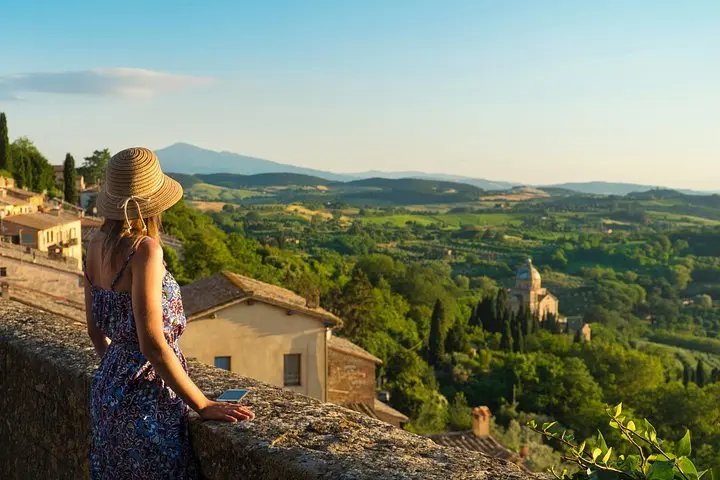
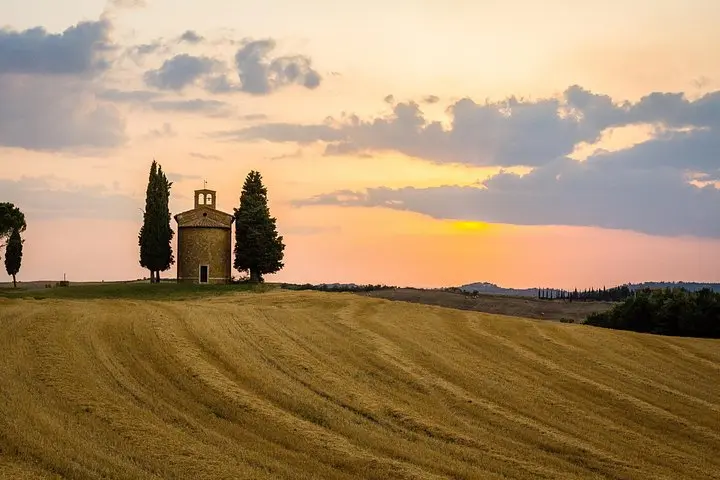
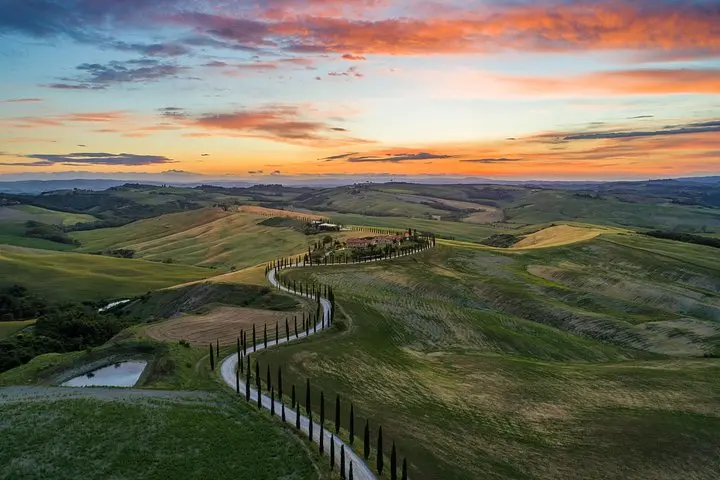
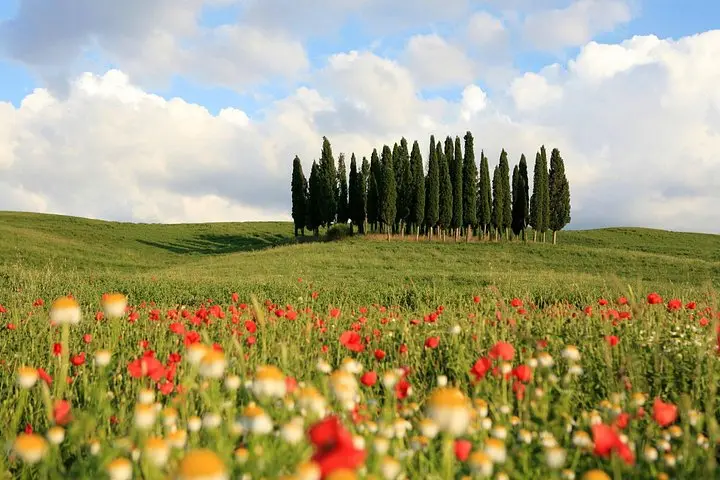
You step out of a climate‑controlled Mercedes as the road opens onto a ribbed expanse of ochre hills and cypress lines—Val d'Orcia’s slopes rolling away like pages in a field guide. The air smells faintly of sun‑warmed grass and fermenting grapes; a distant church bell marks time while vineyards press against fortified town walls.
You step out of a climate‑controlled Mercedes as the road opens onto a ribbed expanse of ochre hills and cypress lines—Val d'Orcia’s slopes rolling away like pages in a field guide. The air smells faintly of sun‑warmed grass and fermenting grapes; a distant church bell marks time while vineyards press against fortified town walls.
This day tour threads three historic hill towns. Montepulciano grew around medieval trade routes and produces Vino Nobile; Pienza was reshaped in the 15th century under Pope Pius II and remains a clear example of Renaissance urban planning; Montalcino sits above its vineyards and is globally known for Brunello. Geologically, these hills are the product of gentle uplift and river erosion, creating broad valleys that favor grape cultivation and sheep pastures.
Culturally expect brick piazzas, cellars carved into bedrock, and small artisans selling pecorino and cured meats. Locals still farm in family plots; tasting rooms range from modern cantinas to centuries‑old cellars. The landscape itself seems to nudge you forward—the living fields urging one more viewpoint, one more sip.
Practical guidance: this is a full day with long transfers from Rome, so start early and reserve the best taste slots. Wear sturdy walking shoes for cobblestones and terraces; bring a refillable bottle, sun protection, and a light jacket for evening winds. Cash or card is accepted at most enotecas, but smaller producers sometimes prefer cash. If you want a cellar visit, book it in advance—some wineries limit private tours to maintain production rhythms.