THE ADVENTURE COLLECTIVE® · Independent discovery and booking for outdoor travel

In a 30-minute climb from Valdez Airport you trade streets for serrated peaks and glacier-blue ice. This helicopter flightseeing tour delivers dramatic aerial views of the Chugach’s glaciers, waterfalls, and wildlife with expert pilot commentary and fast photo opportunities.
In a 30-minute climb from Valdez Airport you trade streets for serrated peaks and glacier-blue ice. This helicopter flightseeing tour delivers dramatic aerial views of the Chugach’s glaciers, waterfalls, and wildlife with expert pilot commentary and fast photo opportunities.
You lift off from the Valdez airport and the town shrinks beneath a patchwork of fjords and forest. The helicopter climbs, and the Chugach Mountains open like a page of exposed geology: jagged peaks, blue-tinged ice, and steep cliffs feeding glaciers that push slowly into the valley below.
Verified experiences and guided adventures in the surrounding area.
Operated by Alpine Air Alaska · Valdez, Alaska
You lift off from the Valdez airport and the town shrinks beneath a patchwork of fjords and forest. The helicopter climbs, and the Chugach Mountains open like a page of exposed geology: jagged peaks, blue-tinged ice, and steep cliffs feeding glaciers that push slowly into the valley below.
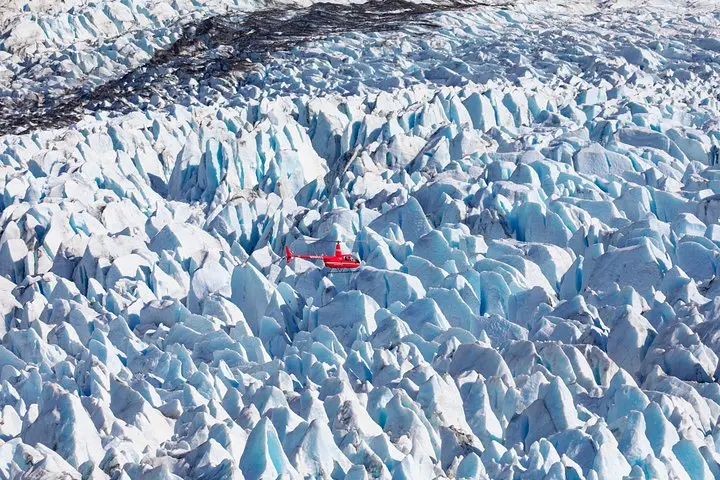
This region sits inside the maritime range of the Chugach Mountains, an area shaped by repeated glaciation and active tectonics. Valdez itself relocated after the 1964 Good Friday earthquake; today the town is a working port with strong ties to fishing and the Trans-Alaska Pipeline. From the air you’ll see classic glacial features — crevassed ice, moraines, and cirque bowls — and cliffs where waterfalls dare the wind.
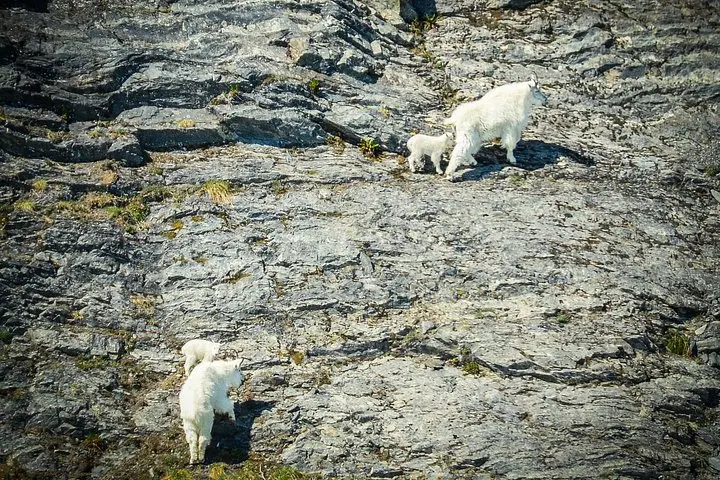
Pilots provide live commentary pointing out named glaciers, ridgelines, and likely wildlife hangouts. Expect sharp photo opportunities: deep ice blue, serrated peaks, and remote coastal inlets that are otherwise accessible only by boat or long backcountry routes.
Practical guidance: plan for rapid temperature change — it’s often 10–20°F colder at altitude. Arrive 15 minutes early for the safety briefing and weight checks. Flights run year-round weather permitting, but visibility and snow cover vary by season. Bring a camera with a short lens to reduce vibration blur, a warm shell, and a secure strap. If you’re prone to motion sickness, consider medication beforehand.
This is a high-value, low-effort aerial reconnaissance of one of North America’s most glacier-rich ranges — short in time but broad in perspective, ideal for first-time flyers and photographers seeking dramatic Alaskan terrain.
The operator’s weight limit is 290 pounds per guest; accurate weight disclosure at booking is required for safe weight-and-balance calculation.
Flights are subject to favorable weather; if canceled due to poor conditions you’ll be offered an alternative date or a full refund.
Children must be accompanied by an adult; small infants under walking age can sit on an adult’s lap and fly free, but infants must be declared at booking.
Ground facilities and boarding areas are wheelchair accessible, but aircraft boarding may require transferring; contact the operator ahead of time to arrange assistance.
Alpine Air Alaska operates guided outdoor trips and adventures with an emphasis on safety, stewardship, and memorable experiences.
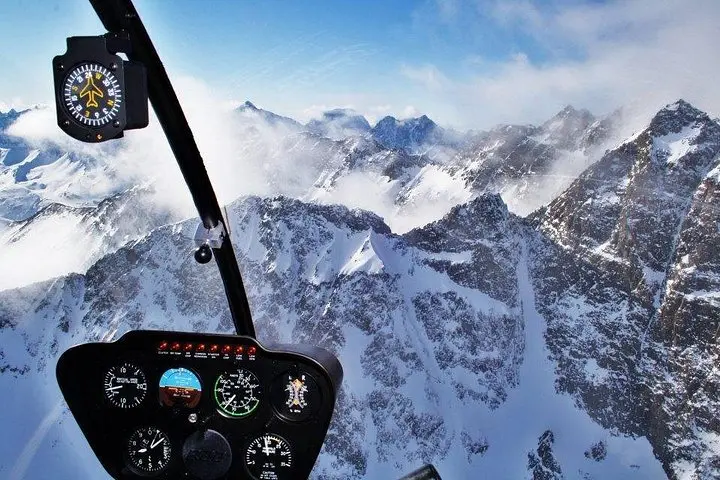
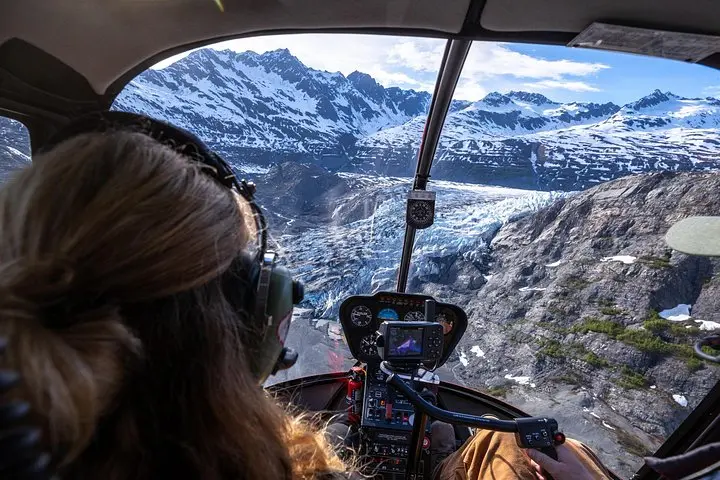
You lift off from the Valdez airport and the town shrinks beneath a patchwork of fjords and forest. The helicopter climbs, and the Chugach Mountains open like a page of exposed geology: jagged peaks, blue-tinged ice, and steep cliffs feeding glaciers that push slowly into the valley below.
You lift off from the Valdez airport and the town shrinks beneath a patchwork of fjords and forest. The helicopter climbs, and the Chugach Mountains open like a page of exposed geology: jagged peaks, blue-tinged ice, and steep cliffs feeding glaciers that push slowly into the valley below.
This region sits inside the maritime range of the Chugach Mountains, an area shaped by repeated glaciation and active tectonics. Valdez itself relocated after the 1964 Good Friday earthquake; today the town is a working port with strong ties to fishing and the Trans-Alaska Pipeline. From the air you’ll see classic glacial features — crevassed ice, moraines, and cirque bowls — and cliffs where waterfalls dare the wind.
Pilots provide live commentary pointing out named glaciers, ridgelines, and likely wildlife hangouts. Expect sharp photo opportunities: deep ice blue, serrated peaks, and remote coastal inlets that are otherwise accessible only by boat or long backcountry routes.
Practical guidance: plan for rapid temperature change — it’s often 10–20°F colder at altitude. Arrive 15 minutes early for the safety briefing and weight checks. Flights run year-round weather permitting, but visibility and snow cover vary by season. Bring a camera with a short lens to reduce vibration blur, a warm shell, and a secure strap. If you’re prone to motion sickness, consider medication beforehand.
This is a high-value, low-effort aerial reconnaissance of one of North America’s most glacier-rich ranges — short in time but broad in perspective, ideal for first-time flyers and photographers seeking dramatic Alaskan terrain.