THE ADVENTURE COLLECTIVE® · Independent discovery and booking for outdoor travel

Zip through Valencia’s historic center and out to the sea in a restored sidecar, pausing for tapas and photo stops at iconic sites like Serranos Towers and the marina. This 2.5–3 hour private experience blends city history, coastal views, and local flavor.
Zip through Valencia’s historic center and out to the sea in a restored sidecar, pausing for tapas and photo stops at iconic sites like Serranos Towers and the marina. This 2.5–3 hour private experience blends city history, coastal views, and local flavor.
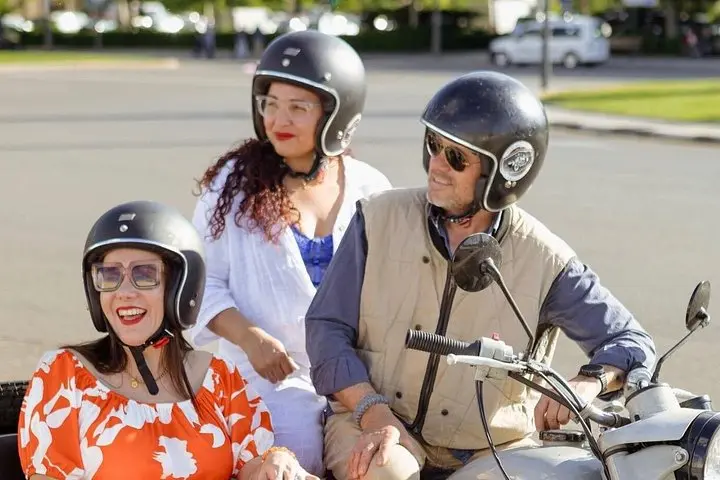
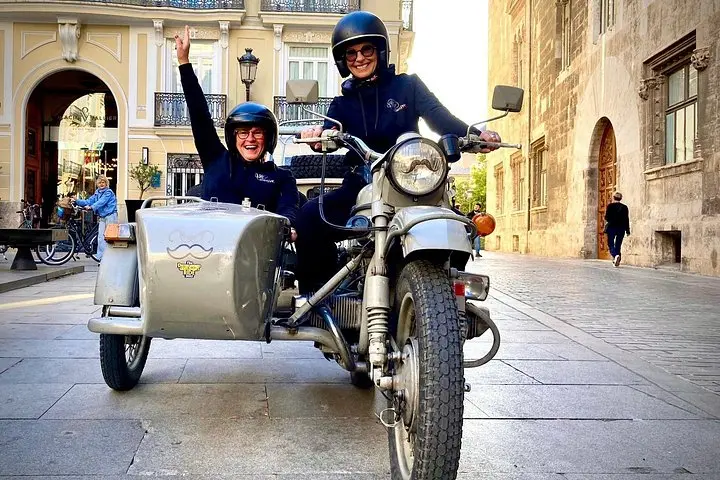
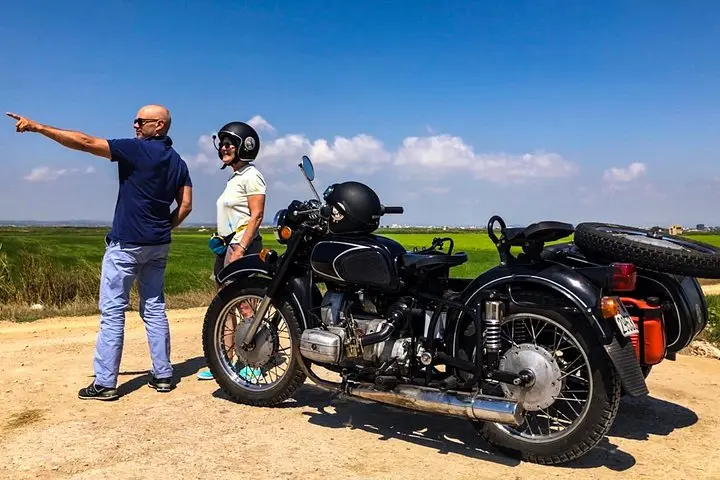
The engine pops and the city moves into frame: narrow medieval lanes give way to boulevard sunlight as a vintage sidecar threads through Valencia’s old quarter. Riders feel the breeze and the city’s textures—the ribbed stone of Gothic towers, the glint of ceramic mosaics, and the sea pressing at the horizon—before settling at a terrace for a drink and a tapa.
Verified experiences and guided adventures in the surrounding area.
Operated by www.sidecartours-valencia.com · Valencia, Valencia
The engine pops and the city moves into frame: narrow medieval lanes give way to boulevard sunlight as a vintage sidecar threads through Valencia’s old quarter. Riders feel the breeze and the city’s textures—the ribbed stone of Gothic towers, the glint of ceramic mosaics, and the sea pressing at the horizon—before settling at a terrace for a drink and a tapa.
Valencia grew from a Roman colony into a Mediterranean port layered with Moorish, Gothic and Baroque edits; the tour skirts landmarks that mark those shifts: Serranos Towers, the Plaza de Toros, and the mosaics that trace the city’s 19th- and 20th-century civic pride. Geologically the coast is a broad alluvial plain shaped by the Turia River, whose former course now hosts gardens and museums; the flat terrain makes the city ideal for a relaxed vehicle tour.
Culturally this is tapas culture in motion—stops at the port and Paseo Marítimo introduce paella’s birthplace and the walkable seaside life where the water seems to dare you closer. Local drivers double as storytellers, pointing out hidden portals, ceramic details, and modern concert halls that reveal Valencia’s reinvention.
Practical guidance: the trip runs about 2.5–3 hours and is suitable for most fitness levels; helmets are provided and weight limits apply. Dress in layers and bring sun protection—coastal wind can feel sharp even on warm days. Arrive with ID, a charged camera, and flexible footwear for brief cobbled strolls between photo stops. Book mornings to avoid peak heat and leave time afterward to linger at the beach or Mercado Central.
Yes—helmets are provided for all passengers as part of the tour inclusions.
It’s generally suitable for families but confirm age and size with the operator; weight distribution rules apply and safety is enforced.
Pickup arrangements are a booking question; the listing requests a pickup point so check options when you reserve.
Local guides typically speak Spanish and often English—confirm language needs at booking for a private driver who matches your preference.
www.sidecartours-valencia.com operates guided outdoor trips and adventures with an emphasis on safety, stewardship, and memorable experiences.

The engine pops and the city moves into frame: narrow medieval lanes give way to boulevard sunlight as a vintage sidecar threads through Valencia’s old quarter. Riders feel the breeze and the city’s textures—the ribbed stone of Gothic towers, the glint of ceramic mosaics, and the sea pressing at the horizon—before settling at a terrace for a drink and a tapa.
The engine pops and the city moves into frame: narrow medieval lanes give way to boulevard sunlight as a vintage sidecar threads through Valencia’s old quarter. Riders feel the breeze and the city’s textures—the ribbed stone of Gothic towers, the glint of ceramic mosaics, and the sea pressing at the horizon—before settling at a terrace for a drink and a tapa.
Valencia grew from a Roman colony into a Mediterranean port layered with Moorish, Gothic and Baroque edits; the tour skirts landmarks that mark those shifts: Serranos Towers, the Plaza de Toros, and the mosaics that trace the city’s 19th- and 20th-century civic pride. Geologically the coast is a broad alluvial plain shaped by the Turia River, whose former course now hosts gardens and museums; the flat terrain makes the city ideal for a relaxed vehicle tour.
Culturally this is tapas culture in motion—stops at the port and Paseo Marítimo introduce paella’s birthplace and the walkable seaside life where the water seems to dare you closer. Local drivers double as storytellers, pointing out hidden portals, ceramic details, and modern concert halls that reveal Valencia’s reinvention.
Practical guidance: the trip runs about 2.5–3 hours and is suitable for most fitness levels; helmets are provided and weight limits apply. Dress in layers and bring sun protection—coastal wind can feel sharp even on warm days. Arrive with ID, a charged camera, and flexible footwear for brief cobbled strolls between photo stops. Book mornings to avoid peak heat and leave time afterward to linger at the beach or Mercado Central.