THE ADVENTURE COLLECTIVE® · Independent discovery and booking for outdoor travel

Explore nearly 30 acres of tropical gardens and native forest in the Sierra Madre foothills south of Puerto Vallarta. Walk trails, spot orchids and birds, and cool off in the Los Horcones river—guided tours run seasonally.
Explore nearly 30 acres of tropical gardens and native forest in the Sierra Madre foothills south of Puerto Vallarta. Walk trails, spot orchids and birds, and cool off in the Los Horcones river—guided tours run seasonally.
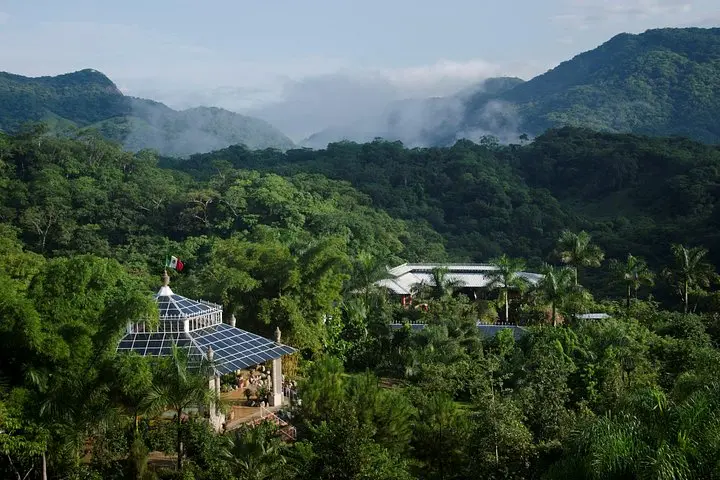
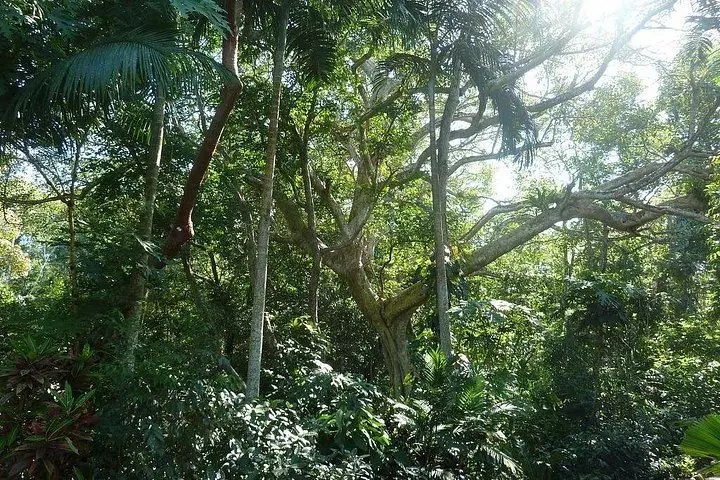
A turn onto a narrow mountain road opens to a green bowl: the Vallarta Botanical Garden sits where the Sierra Madre foothills slope toward Banderas Bay, rivers threading canyons through the forest. Morning light filters through palms and tall endemic trees while butterflies and hummingbirds cut quick, bright arcs across the paths.
Verified experiences and guided adventures in the surrounding area.
Operated by Vallarta Botanical Gardens · Puerto Vallarta, Jalisco
A turn onto a narrow mountain road opens to a green bowl: the Vallarta Botanical Garden sits where the Sierra Madre foothills slope toward Banderas Bay, rivers threading canyons through the forest. Morning light filters through palms and tall endemic trees while butterflies and hummingbirds cut quick, bright arcs across the paths.
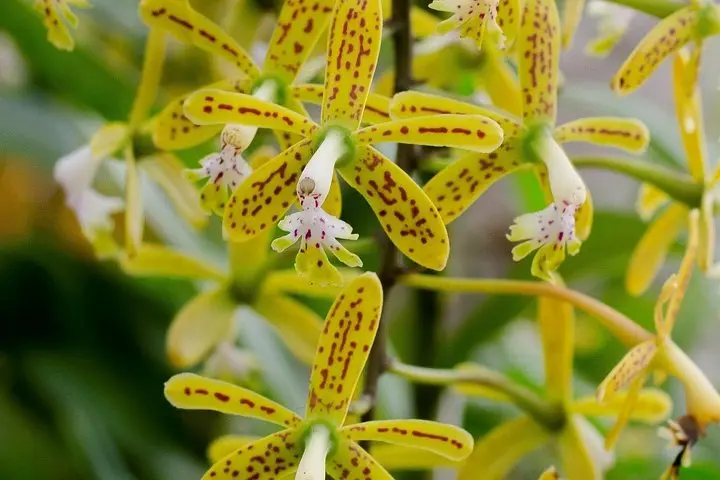
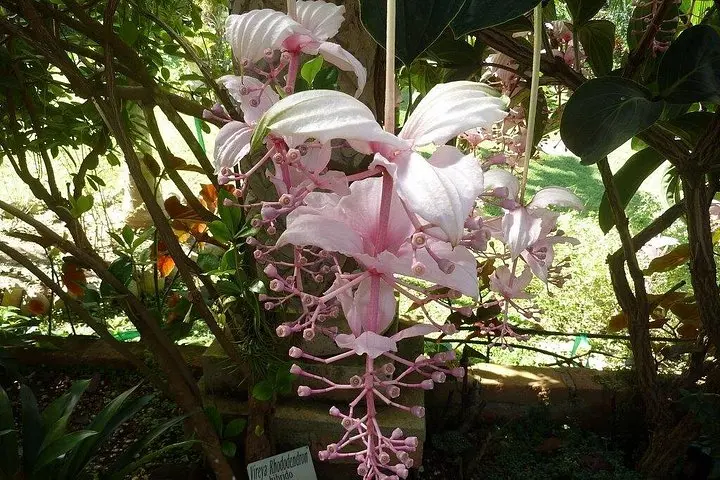
Established to conserve West Mexico’s flora, the garden spreads across roughly 11 hectares (nearly 30 acres) of cultivated collections and native forest preserve. Geology here is karst and volcanic soils shaped by upland streams; that mix supports orchids, bromeliads, native trees and coffee-like understory. Culturally, the site blends conservation, local community involvement and a restaurant (Hacienda de Oro) that serves regional produce.
Visitors can choose short interpretive walks or follow steeper forest trails that gain a few hundred meters in elevation and open to ridgeline views. The garden’s Los Horcones river invites a post-hike swim on warm days; the current is gentle but terrain underfoot is rocky. From December to March the garden runs a guided 1pm tour; in other months bilingual signs and self-guided maps explain plant uses and ecology.
Practical guidance: allow 1–4 hours depending on trail and dining choices. Wear sturdy shoes for uneven, sometimes muddy trails; bring sun protection and insect repellent. Hydrate—the subtropical climate can shift from cool mornings to hot, humid afternoons. If you plan to swim, pack quick-dry clothing and sturdy river shoes. Respect trail closures, leash pets, and carry out waste—this preserve’s value is its recovering native forest and rare endemic plants.
A guided 1pm tour is included with tickets from December to March (excluding Christmas and New Year’s Day); other months rely on self-guided maps and interpretive signs.
Yes—Los Horcones river has designated swimming areas; bring swimwear and sturdy shoes and avoid strong currents after heavy rain.
The site reports wheelchair and stroller accessibility for many areas, though some forest trails are uneven—check with staff for the best routes.
Service animals are permitted; other pets may be allowed but must be leashed and cleaned up after—confirm current rules before visiting.
Vallarta Botanical Gardens operates guided outdoor trips and adventures with an emphasis on safety, stewardship, and memorable experiences.
A turn onto a narrow mountain road opens to a green bowl: the Vallarta Botanical Garden sits where the Sierra Madre foothills slope toward Banderas Bay, rivers threading canyons through the forest. Morning light filters through palms and tall endemic trees while butterflies and hummingbirds cut quick, bright arcs across the paths.
A turn onto a narrow mountain road opens to a green bowl: the Vallarta Botanical Garden sits where the Sierra Madre foothills slope toward Banderas Bay, rivers threading canyons through the forest. Morning light filters through palms and tall endemic trees while butterflies and hummingbirds cut quick, bright arcs across the paths.
Established to conserve West Mexico’s flora, the garden spreads across roughly 11 hectares (nearly 30 acres) of cultivated collections and native forest preserve. Geology here is karst and volcanic soils shaped by upland streams; that mix supports orchids, bromeliads, native trees and coffee-like understory. Culturally, the site blends conservation, local community involvement and a restaurant (Hacienda de Oro) that serves regional produce.
Visitors can choose short interpretive walks or follow steeper forest trails that gain a few hundred meters in elevation and open to ridgeline views. The garden’s Los Horcones river invites a post-hike swim on warm days; the current is gentle but terrain underfoot is rocky. From December to March the garden runs a guided 1pm tour; in other months bilingual signs and self-guided maps explain plant uses and ecology.
Practical guidance: allow 1–4 hours depending on trail and dining choices. Wear sturdy shoes for uneven, sometimes muddy trails; bring sun protection and insect repellent. Hydrate—the subtropical climate can shift from cool mornings to hot, humid afternoons. If you plan to swim, pack quick-dry clothing and sturdy river shoes. Respect trail closures, leash pets, and carry out waste—this preserve’s value is its recovering native forest and rare endemic plants.