THE ADVENTURE COLLECTIVE® · Independent discovery and booking for outdoor travel

Watch wind-sculpted salt ridges glow at sunset on a half-day Valle de la Luna tour from San Pedro de Atacama. This afternoon trip hits dunes, caverns and the Ckari viewpoint—perfect for photographers and hikers with moderate fitness.
Watch wind-sculpted salt ridges glow at sunset on a half-day Valle de la Luna tour from San Pedro de Atacama. This afternoon trip hits dunes, caverns and the Ckari viewpoint—perfect for photographers and hikers with moderate fitness.
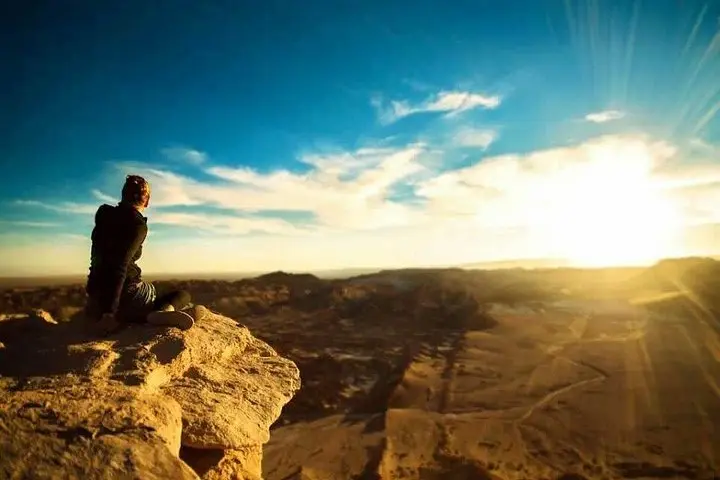
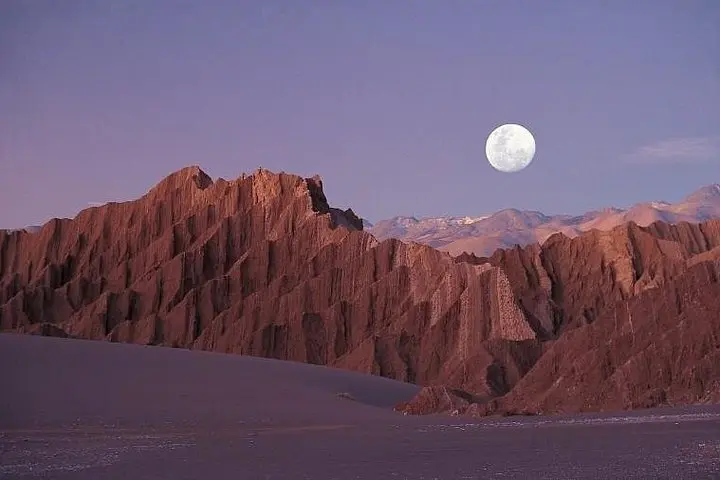
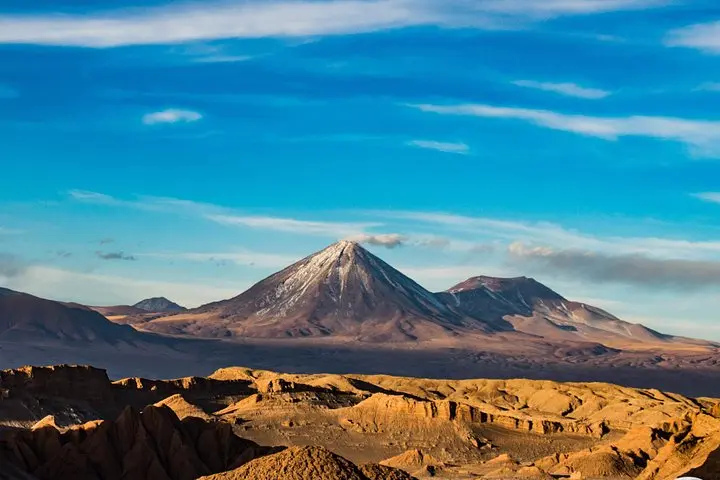
The van eases out of San Pedro de Atacama and the salt flats stretch into a low, wind-sculpted horizon; by afternoon the valley warms and the rock faces begin to blush. In the Valley of the Moon, ridges and dunes sit like frozen waves, their grainy surfaces catching the last light while the wind seems to rearrange the landscape as you watch.
Verified experiences and guided adventures in the surrounding area.
Operated by Ruta Chile · San Pedro de Atacama, Antofagasta Region
The van eases out of San Pedro de Atacama and the salt flats stretch into a low, wind-sculpted horizon; by afternoon the valley warms and the rock faces begin to blush. In the Valley of the Moon, ridges and dunes sit like frozen waves, their grainy surfaces catching the last light while the wind seems to rearrange the landscape as you watch.
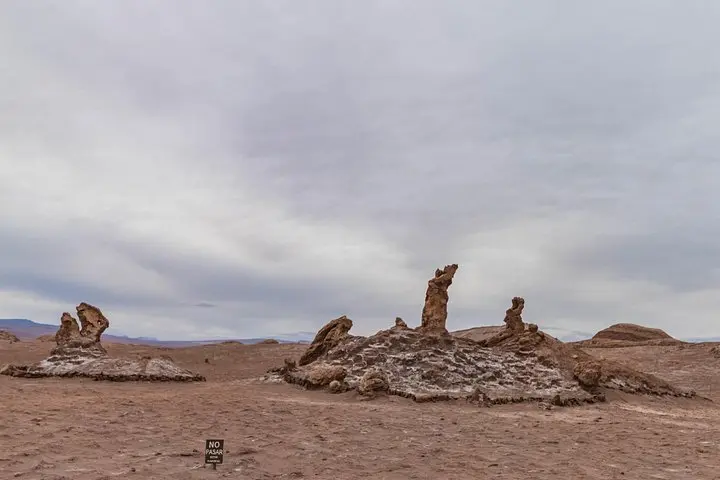
Geologically the valley is carved from the Cordillera de la Sal, a salt-rich range shaped over millennia by wind and evaporation. Visitors walk among amphitheaters, sharp spires and the “Three Marias” rock formations—features that read like a slow-motion lunar geology lesson. The area sits on traditional Atacameño territory; local history includes salt extraction and caravan routes that linked Andean communities. Cultural markers and occasional petroglyphs nearby hint at a long human presence carved into an unforgiving climate.
Expect three main stops: sculpted caverns and dunes, a central crater, and the Ckari viewpoint where sunset and an offered aperitif close the circuit. Terrain is rocky and uneven with short walking sections across packed sand and salt crust; the tour covers a few kilometers over about four hours. Practical notes: bring sun protection, layered clothing for quick temperature swings, and at least 1–2 liters of water. Photography is excellent in late afternoon light; stick to marked paths to protect fragile crusts and cryptobiotic soils.
This half-day outing delivers accessible desert scenery without multi-day logistics—ideal for travelers who want a concentrated dose of Atacama’s lunar landscapes and sunset drama.
Short walks totaling a few kilometers across sand and rock; moderately strenuous for those unaccustomed to uneven footing but not technical.
Yes—standard tours include round-trip transport from the meeting point or arranged pickup in town.
Facilities are limited; expect basic amenities at the visitor area but not at every stop—plan accordingly.
Children can join with an adult, but the tour is not recommended for those with significant mobility, spinal, or cardiovascular issues due to uneven ground and some climbing.
Ruta Chile operates guided outdoor trips and adventures with an emphasis on safety, stewardship, and memorable experiences.
The van eases out of San Pedro de Atacama and the salt flats stretch into a low, wind-sculpted horizon; by afternoon the valley warms and the rock faces begin to blush. In the Valley of the Moon, ridges and dunes sit like frozen waves, their grainy surfaces catching the last light while the wind seems to rearrange the landscape as you watch.
The van eases out of San Pedro de Atacama and the salt flats stretch into a low, wind-sculpted horizon; by afternoon the valley warms and the rock faces begin to blush. In the Valley of the Moon, ridges and dunes sit like frozen waves, their grainy surfaces catching the last light while the wind seems to rearrange the landscape as you watch.
Geologically the valley is carved from the Cordillera de la Sal, a salt-rich range shaped over millennia by wind and evaporation. Visitors walk among amphitheaters, sharp spires and the “Three Marias” rock formations—features that read like a slow-motion lunar geology lesson. The area sits on traditional Atacameño territory; local history includes salt extraction and caravan routes that linked Andean communities. Cultural markers and occasional petroglyphs nearby hint at a long human presence carved into an unforgiving climate.
Expect three main stops: sculpted caverns and dunes, a central crater, and the Ckari viewpoint where sunset and an offered aperitif close the circuit. Terrain is rocky and uneven with short walking sections across packed sand and salt crust; the tour covers a few kilometers over about four hours. Practical notes: bring sun protection, layered clothing for quick temperature swings, and at least 1–2 liters of water. Photography is excellent in late afternoon light; stick to marked paths to protect fragile crusts and cryptobiotic soils.
This half-day outing delivers accessible desert scenery without multi-day logistics—ideal for travelers who want a concentrated dose of Atacama’s lunar landscapes and sunset drama.