THE ADVENTURE COLLECTIVE® · Independent discovery and booking for outdoor travel

Explore the surreal clay badlands of Ischigualasto—Valle de la Luna—on a full-day excursion from San Juan. Expect guided viewpoints, short walks, and a deep history of Triassic geology across dusty, wind-sculpted terrain.
Explore the surreal clay badlands of Ischigualasto—Valle de la Luna—on a full-day excursion from San Juan. Expect guided viewpoints, short walks, and a deep history of Triassic geology across dusty, wind-sculpted terrain.
A pale light stretches across cracked clay as the coach crests the long straight of Ruta Nacional 40 and the land opens into the Valle de la Luna. Wind-carved mounds, banded cliffs and bulbous rock forms sit like pages of deep time; the park’s colours shift from rust to cream as the sun moves, and the silence seems to be taking notes.
Verified experiences and guided adventures in the surrounding area.
Operated by Receptivo Aborigen Tours · San Juan, San Juan
A pale light stretches across cracked clay as the coach crests the long straight of Ruta Nacional 40 and the land opens into the Valle de la Luna. Wind-carved mounds, banded cliffs and bulbous rock forms sit like pages of deep time; the park’s colours shift from rust to cream as the sun moves, and the silence seems to be taking notes.
Ischigualasto preserves a slice of the Triassic—sediments and volcanic ash laid down some 230 million years ago—where paleontologists have read early dinosaur evolution. Spanish colonial routes and local folklore mark the approach towns; en route you’ll pass the roadside shrine of Difunta Correa and the steep Cuesta de Huaco, reminders that this is lived country as well as geological archive.
The park is visited by vehicle with short guided walks at viewpoints and interpretive stops that explain sedimentary bands, badland erosion, and fossil beds. Expect dusty dirt roads, low scrub, and sweeping vistas where the wind seems to push you forward. Guides balance storytelling with safety: stay on trails, keep hydrated, and avoid leaning on fragile formations.
Practically, it’s a long day—vehicles are air-conditioned and departures typically include hotel pickup in San Juan, with return late afternoon. Sun protection, comfortable closed-toe shoes for short uneven walks, and extra water are the simplest ways to make the day smooth. For photographers, mid-morning and late afternoon light are best; for quieter trails, travel outside peak holiday weeks. The experience is straightforward, cerebral and elemental: a drive through time with the ground daring you to notice how old the earth beneath your boots really is.
Typical departures are full-day (about 10–12 hours) from San Juan, including air-conditioned transport, park entrance, guided stops, and hotel pickup/return.
No—most visits include short, guided walks at viewpoints and a circuit through the park by vehicle rather than extended hikes.
Yes, the tour is listed as physically easy and infant seats are usually available, though infants must sit on an adult’s lap during the transfer.
Bring ID or passport details as requested during booking; some operators require passport information for reservation and entrance formalities.
Receptivo Aborigen Tours operates guided outdoor trips and adventures with an emphasis on safety, stewardship, and memorable experiences.
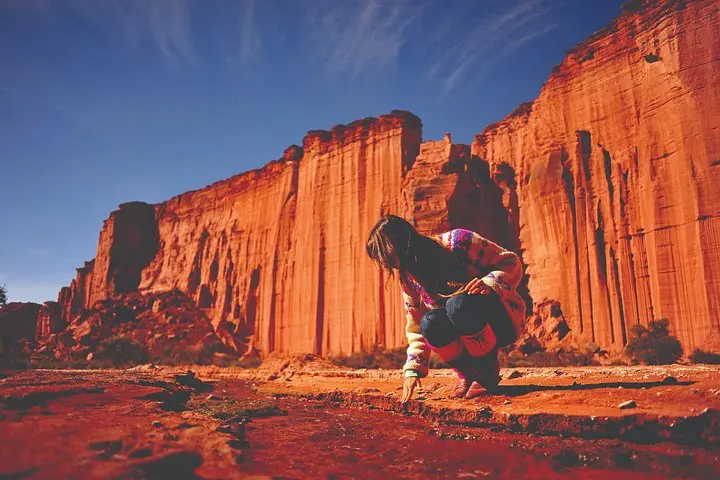
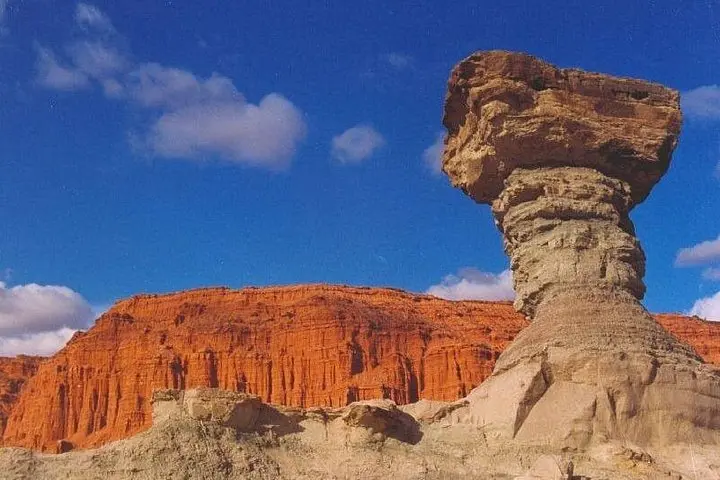
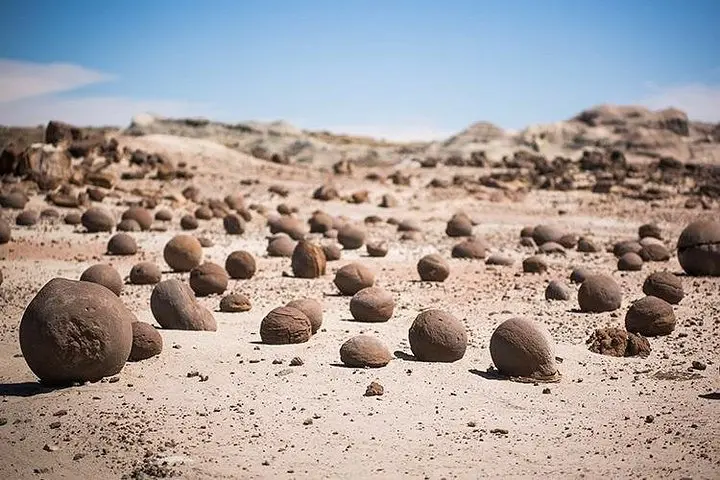
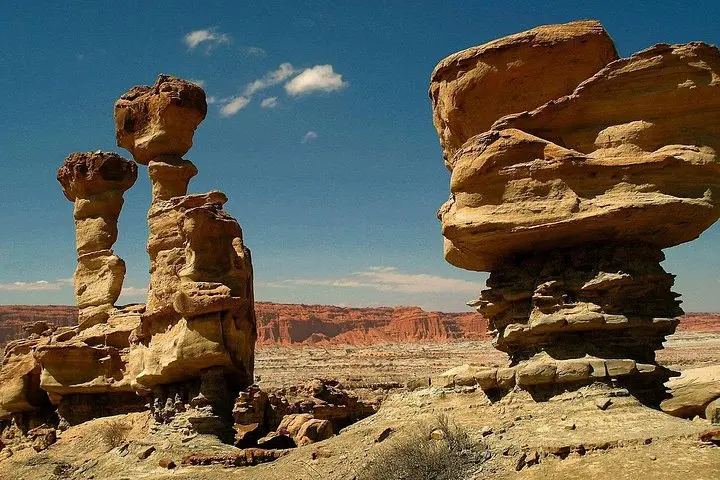
A pale light stretches across cracked clay as the coach crests the long straight of Ruta Nacional 40 and the land opens into the Valle de la Luna. Wind-carved mounds, banded cliffs and bulbous rock forms sit like pages of deep time; the park’s colours shift from rust to cream as the sun moves, and the silence seems to be taking notes.
A pale light stretches across cracked clay as the coach crests the long straight of Ruta Nacional 40 and the land opens into the Valle de la Luna. Wind-carved mounds, banded cliffs and bulbous rock forms sit like pages of deep time; the park’s colours shift from rust to cream as the sun moves, and the silence seems to be taking notes.
Ischigualasto preserves a slice of the Triassic—sediments and volcanic ash laid down some 230 million years ago—where paleontologists have read early dinosaur evolution. Spanish colonial routes and local folklore mark the approach towns; en route you’ll pass the roadside shrine of Difunta Correa and the steep Cuesta de Huaco, reminders that this is lived country as well as geological archive.
The park is visited by vehicle with short guided walks at viewpoints and interpretive stops that explain sedimentary bands, badland erosion, and fossil beds. Expect dusty dirt roads, low scrub, and sweeping vistas where the wind seems to push you forward. Guides balance storytelling with safety: stay on trails, keep hydrated, and avoid leaning on fragile formations.
Practically, it’s a long day—vehicles are air-conditioned and departures typically include hotel pickup in San Juan, with return late afternoon. Sun protection, comfortable closed-toe shoes for short uneven walks, and extra water are the simplest ways to make the day smooth. For photographers, mid-morning and late afternoon light are best; for quieter trails, travel outside peak holiday weeks. The experience is straightforward, cerebral and elemental: a drive through time with the ground daring you to notice how old the earth beneath your boots really is.