THE ADVENTURE COLLECTIVE® · Independent discovery and booking for outdoor travel

Swap Marrakech's medina heat for a day in the Atlas foothills: sculptural gardens, riverside groves of fruit trees, and traditional Berber villages. This accessible day trip pairs André Heller’s Anima Garden with valley tracks and optional camel rides.
Swap Marrakech's medina heat for a day in the Atlas foothills: sculptural gardens, riverside groves of fruit trees, and traditional Berber villages. This accessible day trip pairs André Heller’s Anima Garden with valley tracks and optional camel rides.
You step out of Marrakech's fade of ochre walls and, within an hour, the air changes — cleaner, cooler, threaded with citrus and wild thyme. The road peels away from the plain and folds into a green artery: river channels, groves of almond and walnut, and mud-brick Berber houses clinging to the slopes. Anima Garden appears like a deliberate surprise: sculpted figures tucked under palms, cacti asserting their shapes, and water features that invite a slower pace.
Verified experiences and guided adventures in the surrounding area.
Operated by Adventure masters · Marrakech, Marrakech-Safi
You step out of Marrakech's fade of ochre walls and, within an hour, the air changes — cleaner, cooler, threaded with citrus and wild thyme. The road peels away from the plain and folds into a green artery: river channels, groves of almond and walnut, and mud-brick Berber houses clinging to the slopes. Anima Garden appears like a deliberate surprise: sculpted figures tucked under palms, cacti asserting their shapes, and water features that invite a slower pace.
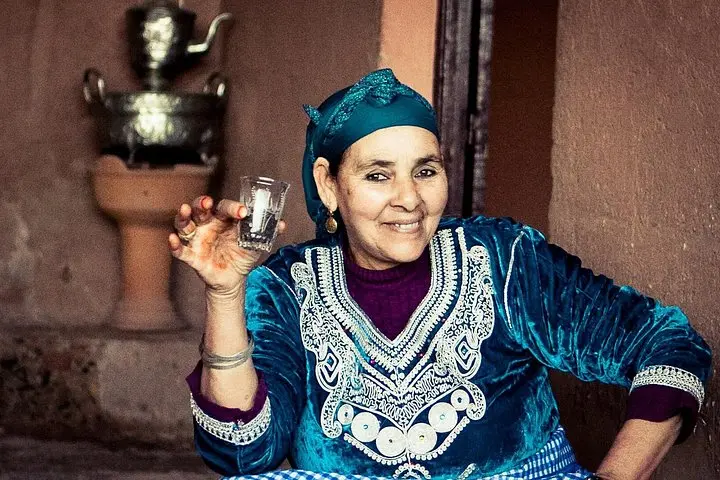
This route follows the southern foothills of the High Atlas, where centuries of terraced agriculture shape the valley and freshwater streams once determined routes and settlements. Berber families still tend orchards and serve mint tea in village salons, continuing a living rural culture shaped by seasonal flows and mountain weather.
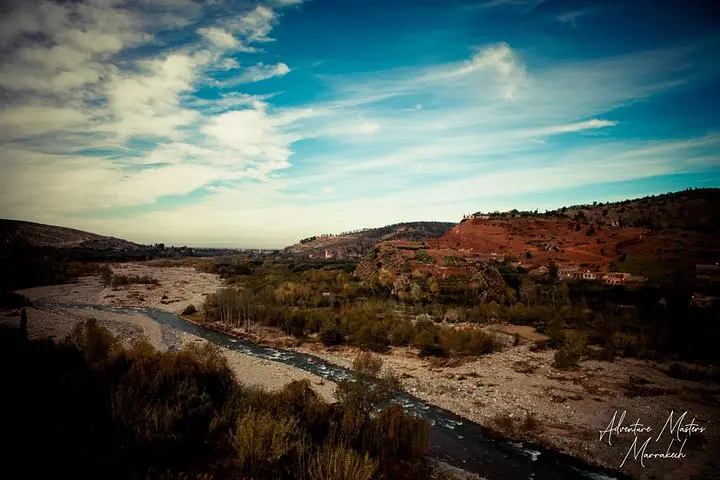
Geologically, the valley is a transition zone — alluvial plains giving way to steeper, folded rock of the Atlas. Expect shady riverbanks, short climbs along mule tracks, and views of snow-capped peaks on clear days. Local guides often combine the garden visit with village stops; camel rides are available as a short optional add-on.
Practical guidance: allow 4–7 hours, bring sun protection and a refillable water bottle, and wear sturdy shoes for uneven tracks. Travel in the morning or late afternoon to avoid the midday heat and to catch long light on the ridgelines. Respect private orchards and ask before photographing people. With modest fitness, this is an accessible half-day into mountain country that pairs artful gardens with authentic valley life.
The experience runs about 4–7 hours depending on stops; plan for a half-day excursion from Marrakech.
Yes — the garden has gentle paths and sculptural features that appeal to kids, though supervision is recommended near water features.
Camel rides are offered as an optional extra, typically 30–60 minutes and booked/paid locally or added at booking depending on operator policies.
Yes — bring small local currency for village purchases, tips, or to pay for optional rides and refreshments not included in the tour.
Adventure masters operates guided outdoor trips and adventures with an emphasis on safety, stewardship, and memorable experiences.
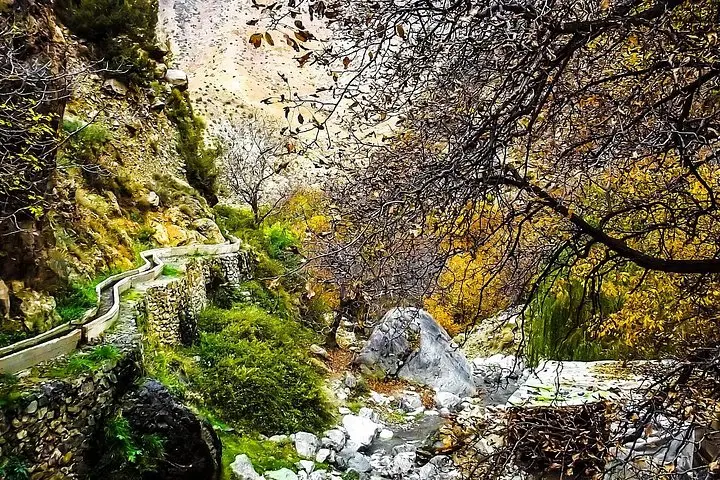
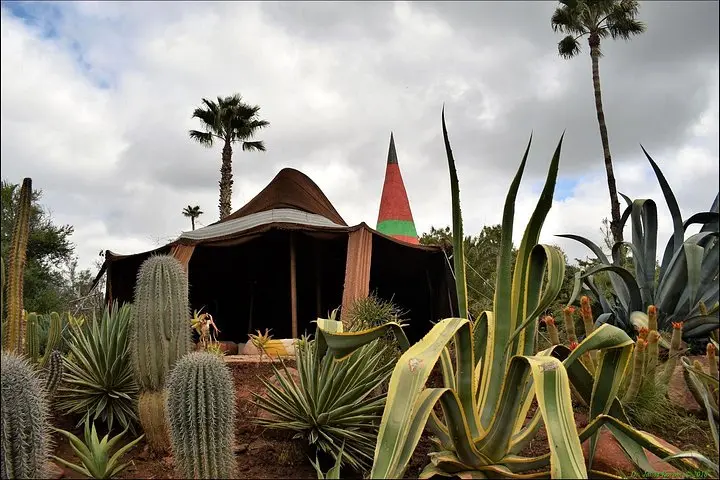
You step out of Marrakech's fade of ochre walls and, within an hour, the air changes — cleaner, cooler, threaded with citrus and wild thyme. The road peels away from the plain and folds into a green artery: river channels, groves of almond and walnut, and mud-brick Berber houses clinging to the slopes. Anima Garden appears like a deliberate surprise: sculpted figures tucked under palms, cacti asserting their shapes, and water features that invite a slower pace.
You step out of Marrakech's fade of ochre walls and, within an hour, the air changes — cleaner, cooler, threaded with citrus and wild thyme. The road peels away from the plain and folds into a green artery: river channels, groves of almond and walnut, and mud-brick Berber houses clinging to the slopes. Anima Garden appears like a deliberate surprise: sculpted figures tucked under palms, cacti asserting their shapes, and water features that invite a slower pace.
This route follows the southern foothills of the High Atlas, where centuries of terraced agriculture shape the valley and freshwater streams once determined routes and settlements. Berber families still tend orchards and serve mint tea in village salons, continuing a living rural culture shaped by seasonal flows and mountain weather.
Geologically, the valley is a transition zone — alluvial plains giving way to steeper, folded rock of the Atlas. Expect shady riverbanks, short climbs along mule tracks, and views of snow-capped peaks on clear days. Local guides often combine the garden visit with village stops; camel rides are available as a short optional add-on.
Practical guidance: allow 4–7 hours, bring sun protection and a refillable water bottle, and wear sturdy shoes for uneven tracks. Travel in the morning or late afternoon to avoid the midday heat and to catch long light on the ridgelines. Respect private orchards and ask before photographing people. With modest fitness, this is an accessible half-day into mountain country that pairs artful gardens with authentic valley life.