THE ADVENTURE COLLECTIVE® · Independent discovery and booking for outdoor travel

A classic high‑altitude trek through the Nanda Devi Biosphere, the Valley of Flowers delivers wildflower meadows, glacial streams and a pilgrimage stop at Hemkund Sahib. Learn what to expect, how to prepare, and when to go.
A classic high‑altitude trek through the Nanda Devi Biosphere, the Valley of Flowers delivers wildflower meadows, glacial streams and a pilgrimage stop at Hemkund Sahib. Learn what to expect, how to prepare, and when to go.
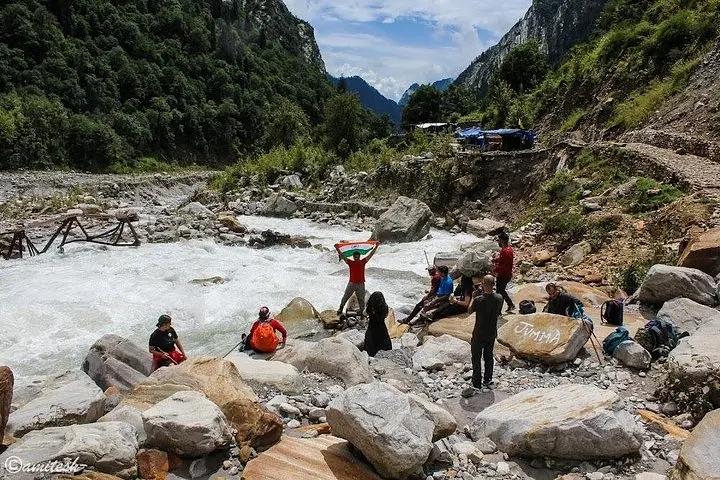
Dawn breaks along the trail from Govindghat and the path threads upward through pine and birch, each switchback opening onto a new view. By mid-morning the forest thins and rivulets dare you to linger; by late day the valley unfolds in a carpet of color—an expanse of alpine flowers pushed flat by wind and sun, framed by serrated peaks.
Verified experiences and guided adventures in the surrounding area.
Operated by Dare2Gear · Ghangaria, Uttarakhand
Dawn breaks along the trail from Govindghat and the path threads upward through pine and birch, each switchback opening onto a new view. By mid-morning the forest thins and rivulets dare you to linger; by late day the valley unfolds in a carpet of color—an expanse of alpine flowers pushed flat by wind and sun, framed by serrated peaks.
The Valley of Flowers sits inside the Nanda Devi Biosphere Reserve, a UNESCO World Heritage area formed by glaciation and ongoing uplift of the Garhwal Himalaya. Local culture around Govindghat, Ghangaria and Hemkund blends Hindu and Sikh pilgrimage routes—the Hemkund Sahib gurdwara, built beside a glacial lake, draws devotees along the same trails trekkers use for access.
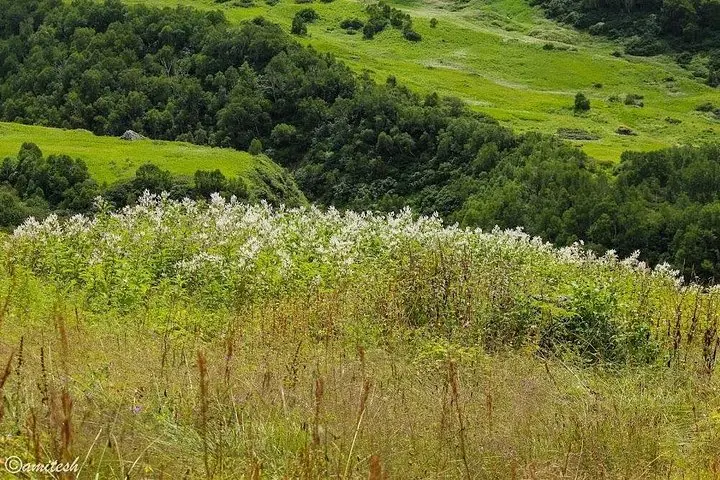
Expect a high-altitude meadow ecosystem dominated by alpine forbs—saxifrages, poppies, primulas—supporting butterflies and specialist pollinators. Geologically the valley is a glacial cirque with moraines and seasonal streams that swell with melt.
Practical guidance: this is a multi-day trek (typical 4–5 days from Govindghat) with sustained uphill sections and altitudes above 3,500 m. Acclimatize in Govindghat/Ghangaria, carry layers, and start early to avoid afternoon weather. Footwear should be sturdy and waterproof; trekking poles ease steep descents. Respect pilgrimage etiquette at Hemkund Sahib, pack out all waste, and keep to marked paths to avoid sensitive meadows.
On clear days the valley offers photographic light from early morning and late afternoon; on stormy days, snow can arrive quickly—know your limits and monitor local forecasts.
Peak bloom is typically mid-July to mid-August after the monsoon lifts; late June and September can still be colorful but weather is more variable.
Most itineraries run 4–5 days from Govindghat with daily walking of 6–12 km; Ghangaria is the base for day trips to the valley and Hemkund.
Yes—entry to the Valley of Flowers National Park requires a permit/entry fee obtained at park checkpoints in Govindghat or through tour operators; check seasonal opening dates.
Camping in the protected core is restricted—most groups stay in Ghangaria or authorized accommodations and do day visits to the valley to minimize impact.
Dare2Gear operates guided outdoor trips and adventures with an emphasis on safety, stewardship, and memorable experiences.
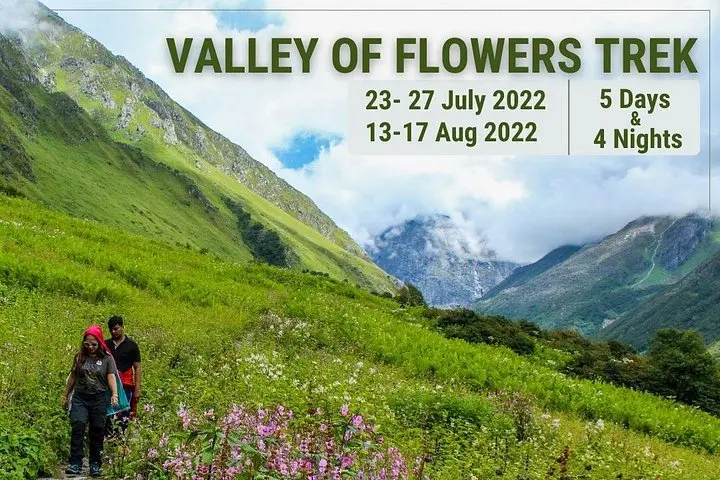
Dawn breaks along the trail from Govindghat and the path threads upward through pine and birch, each switchback opening onto a new view. By mid-morning the forest thins and rivulets dare you to linger; by late day the valley unfolds in a carpet of color—an expanse of alpine flowers pushed flat by wind and sun, framed by serrated peaks.
Dawn breaks along the trail from Govindghat and the path threads upward through pine and birch, each switchback opening onto a new view. By mid-morning the forest thins and rivulets dare you to linger; by late day the valley unfolds in a carpet of color—an expanse of alpine flowers pushed flat by wind and sun, framed by serrated peaks.
The Valley of Flowers sits inside the Nanda Devi Biosphere Reserve, a UNESCO World Heritage area formed by glaciation and ongoing uplift of the Garhwal Himalaya. Local culture around Govindghat, Ghangaria and Hemkund blends Hindu and Sikh pilgrimage routes—the Hemkund Sahib gurdwara, built beside a glacial lake, draws devotees along the same trails trekkers use for access.
Expect a high-altitude meadow ecosystem dominated by alpine forbs—saxifrages, poppies, primulas—supporting butterflies and specialist pollinators. Geologically the valley is a glacial cirque with moraines and seasonal streams that swell with melt.
Practical guidance: this is a multi-day trek (typical 4–5 days from Govindghat) with sustained uphill sections and altitudes above 3,500 m. Acclimatize in Govindghat/Ghangaria, carry layers, and start early to avoid afternoon weather. Footwear should be sturdy and waterproof; trekking poles ease steep descents. Respect pilgrimage etiquette at Hemkund Sahib, pack out all waste, and keep to marked paths to avoid sensitive meadows.
On clear days the valley offers photographic light from early morning and late afternoon; on stormy days, snow can arrive quickly—know your limits and monitor local forecasts.