THE ADVENTURE COLLECTIVE® · Independent discovery and booking for outdoor travel

Walk dunes and wind-carved rock formations in the Valley of the Moon, then watch the desert ignite at sunset from the Ckari viewpoint. This half-day tour from San Pedro de Atacama mixes easy hikes, dramatic geology and prime photo opportunities.
Walk dunes and wind-carved rock formations in the Valley of the Moon, then watch the desert ignite at sunset from the Ckari viewpoint. This half-day tour from San Pedro de Atacama mixes easy hikes, dramatic geology and prime photo opportunities.
A low sun splits the salt-crusted ridges and the wind shapes every rock into a new outline; the Valley of the Moon makes the Atacama feel less like a place on Earth and more like a landscape that dares the imagination. Visitors arrive from San Pedro de Atacama and step onto broad dunes, climb short ridgelines and move through corridors of tilted, wind-sculpted stone.
Verified experiences and guided adventures in the surrounding area.
Operated by Andes Travel · San Pedro de Atacama, Antofagasta Region
A low sun splits the salt-crusted ridges and the wind shapes every rock into a new outline; the Valley of the Moon makes the Atacama feel less like a place on Earth and more like a landscape that dares the imagination. Visitors arrive from San Pedro de Atacama and step onto broad dunes, climb short ridgelines and move through corridors of tilted, wind-sculpted stone.
Geologically the valley is part of the Cordillera de la Sal: layers of salt, clay and volcanic sediments pushed up by tectonic forces and eroded by relentless wind. The result is abrupt fins, hollows and dunes that change subtly with each gust. Culturally, the area sits within lands long used by Atacameño communities for caravan routes and salt extraction; modern tours frame the terrain for both photography and quiet observation.
Expect three highlight stops: the Three Marys rock cluster, the panoramic Duna Mayor and the Ckari viewpoint for sunset. The hour before dusk is the show — light deepens ochres to orange and soft pinks, and the desert seems to breathe color.
Practically, the route is short distance but on uneven sand and loose scree at roughly 2,400–2,460 m elevation, so pace yourself and hydrate. Bring sun protection, at least 1.5–2 L of water, and sturdy shoes with traction. Tours typically last about five hours with air-conditioned transport from town and a small snack or pisco sour included. Be prepared for sudden wind and chilly evenings; the desert can feel hot by day and sharply cold after sunset.
The Valley of the Moon is immediate and elemental: a place to watch light rewrite the landscape and to move carefully across a fragile, ancient surface.
Tours run about five hours total with roughly 1–3 km of walking across dunes and rocky viewpoints; stops include short climbs to panoramic spots.
The site sits around 2,400–2,460 m; most visitors tolerate it with proper hydration and a relaxed pace, but those sensitive to altitude should acclimatize in San Pedro first.
Arrive at the Ckari viewpoint at least 30 minutes before sunset — the light shifts dramatically in the final 20 minutes and conditions are clearest in fall and spring.
Terrain is uneven and sandy; the route is not wheelchair accessible and is not recommended for travelers with limited mobility or serious heart/respiratory issues.
Andes Travel operates guided outdoor trips and adventures with an emphasis on safety, stewardship, and memorable experiences.
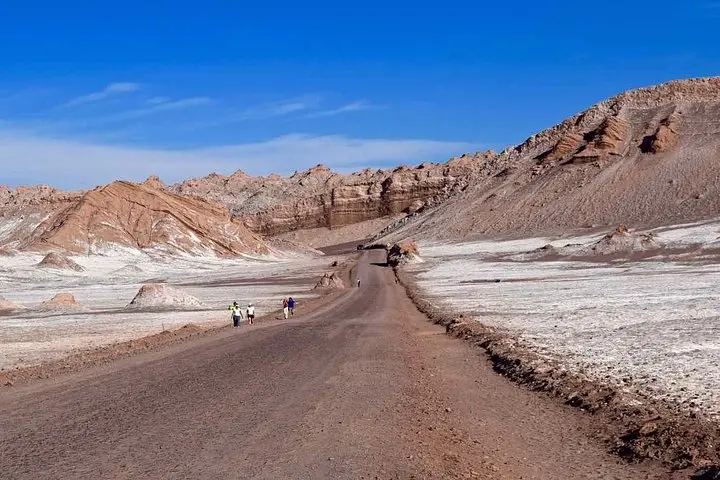
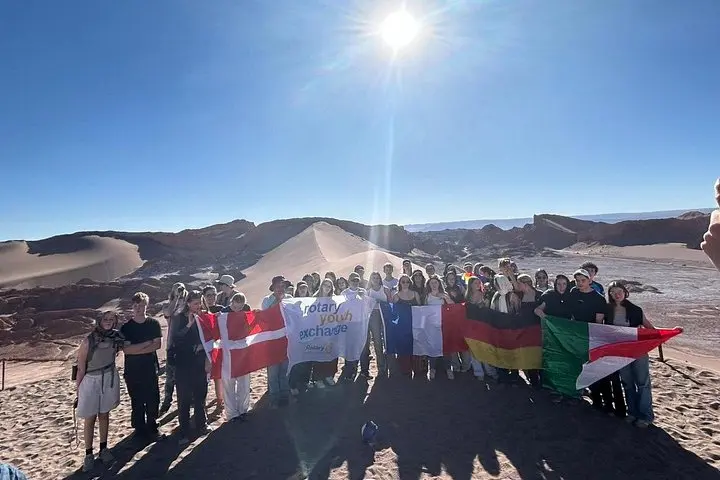
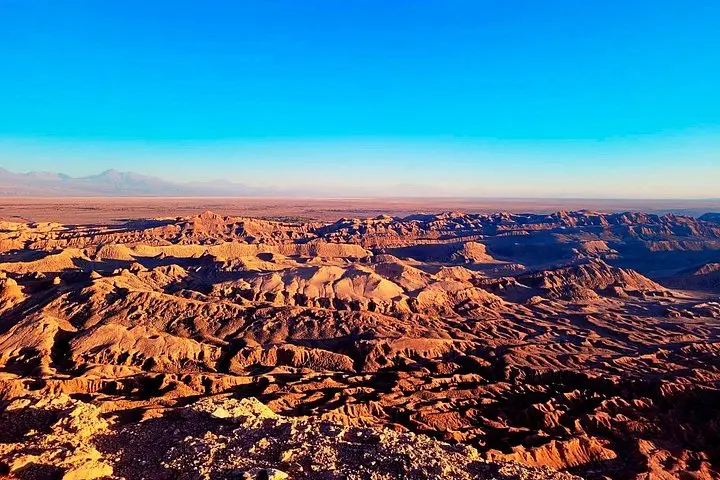
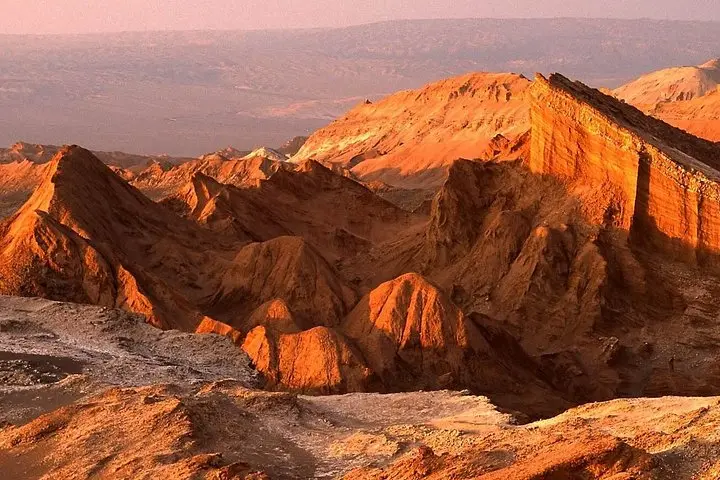
A low sun splits the salt-crusted ridges and the wind shapes every rock into a new outline; the Valley of the Moon makes the Atacama feel less like a place on Earth and more like a landscape that dares the imagination. Visitors arrive from San Pedro de Atacama and step onto broad dunes, climb short ridgelines and move through corridors of tilted, wind-sculpted stone.
A low sun splits the salt-crusted ridges and the wind shapes every rock into a new outline; the Valley of the Moon makes the Atacama feel less like a place on Earth and more like a landscape that dares the imagination. Visitors arrive from San Pedro de Atacama and step onto broad dunes, climb short ridgelines and move through corridors of tilted, wind-sculpted stone.
Geologically the valley is part of the Cordillera de la Sal: layers of salt, clay and volcanic sediments pushed up by tectonic forces and eroded by relentless wind. The result is abrupt fins, hollows and dunes that change subtly with each gust. Culturally, the area sits within lands long used by Atacameño communities for caravan routes and salt extraction; modern tours frame the terrain for both photography and quiet observation.
Expect three highlight stops: the Three Marys rock cluster, the panoramic Duna Mayor and the Ckari viewpoint for sunset. The hour before dusk is the show — light deepens ochres to orange and soft pinks, and the desert seems to breathe color.
Practically, the route is short distance but on uneven sand and loose scree at roughly 2,400–2,460 m elevation, so pace yourself and hydrate. Bring sun protection, at least 1.5–2 L of water, and sturdy shoes with traction. Tours typically last about five hours with air-conditioned transport from town and a small snack or pisco sour included. Be prepared for sudden wind and chilly evenings; the desert can feel hot by day and sharply cold after sunset.
The Valley of the Moon is immediate and elemental: a place to watch light rewrite the landscape and to move carefully across a fragile, ancient surface.