
Vallunaraju 2-Day Summit Climb from Huaraz — Cordillera Blanca High-Altitude Adventure
Two days from Huaraz to the 5,686m summit of Vallunaraju: a high-altitude climb that pairs glacier travel with dramatic summit views of the Cordillera Blanca. Ideal for fit, acclimatized climbers ready for technical sections and pre-dawn summit pushes.
An Adventure In Huaraz.
Two days from Huaraz to the 5,686m summit of Vallunaraju: a high-altitude climb that pairs glacier travel with dramatic summit views of the Cordillera Blanca. Ideal for fit, acclimatized climbers ready for technical sections and pre-dawn summit pushes.
Read the full experience
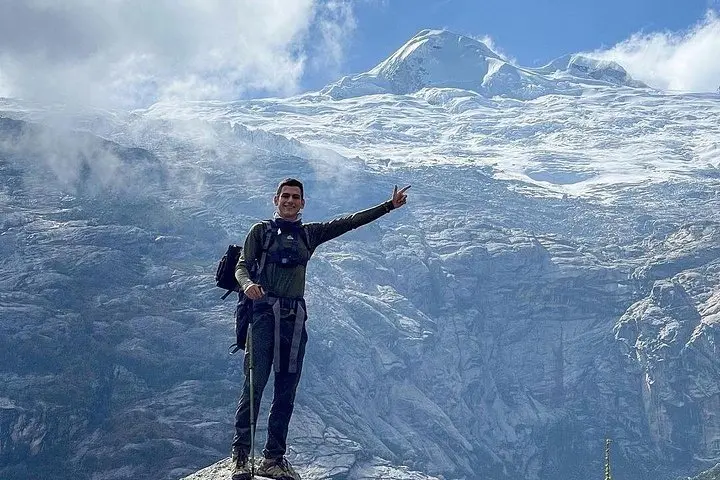
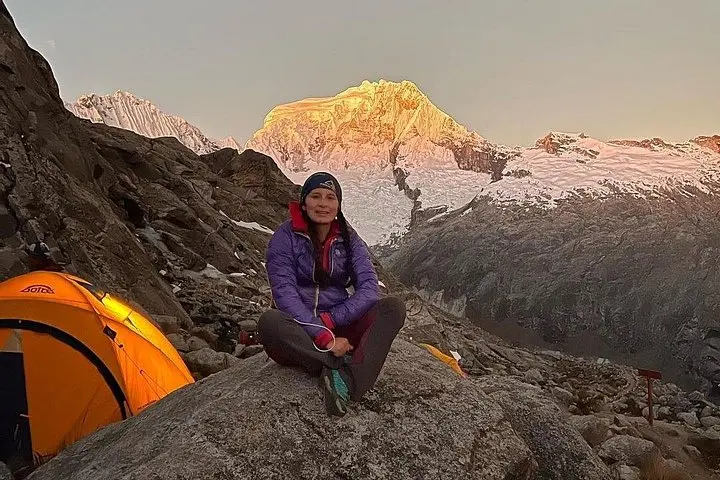
Dawn arrives thin and silver over the Callejón de Huaylas as the van winds up out of Huaraz and into Quebrada Llaca. The air tastes of stone and glacier melt; tents sit against moraine ridges while guides check rope systems and crampons. On night one you sleep close to 5,000m, where the wind names the rhythm and the stars feel disturbingly close.
Dawn arrives thin and silver over the Callejón de Huaylas as the van winds up out of Huaraz and into Quebrada Llaca. The air tastes of stone and glacier melt; tents sit against moraine ridges while guides check rope systems and crampons. On night one you sleep close to 5,000m, where the wind names the rhythm and the stars feel disturbingly close.
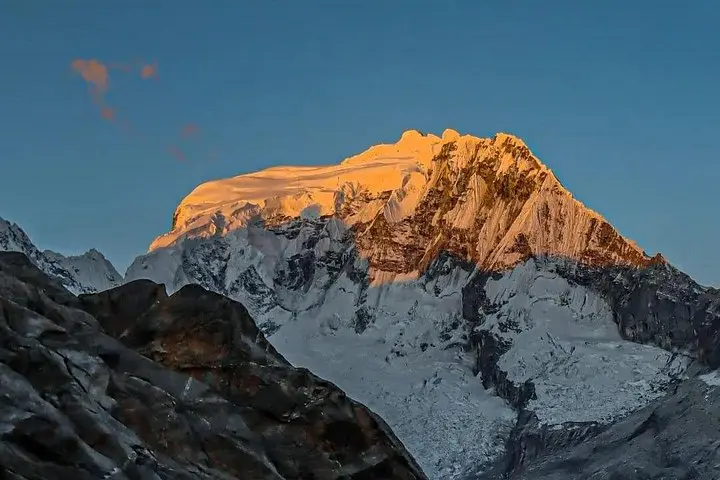
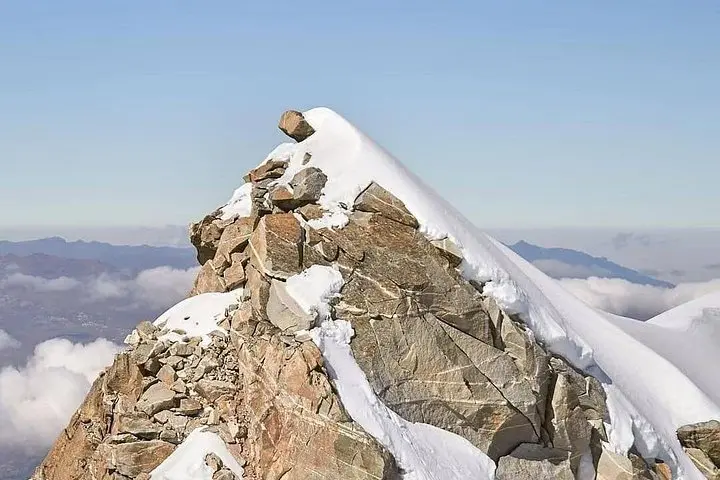
Vallunaraju (5,686 m) sits on the western edge of the Cordillera Blanca, a range sculpted by Pleistocene ice and ongoing tectonics. The peak offers clean glacier approaches and a short, steep summit ridge that reveals views across Huascarán and the stacked, serrated skyline of the Blanca. The route follows the Llaca valley—an area used by local communities for pasture and guided alpine access—and the climbing culture here blends Quechua highland tradition with modern mountaineering practices.
Practically, the trip is an altitude-focused push: day one moves you to base and morrena camps with skills practice on ice walls; day two starts pre-dawn for a 4–8 hour summit push on slopes up to 40º with glacier travel. Expect loose moraine, firm snow, short technical steps, and a strong emphasis on pacing to manage altitude.
Bring layers for freezing nights, hydration tools, and a readiness to follow guide instruction for crampon and ice-axe travel. Timing the summit for morning light reduces cornice and melt risk. Respect local grazing areas, carry out waste, and allow extra time in Huaraz to acclimatize before signing on—this is an alpine climb, not a simple hike.
Frequently asked questions
Participants should have prior high-altitude hiking or basic alpine experience; guides run practice sessions but a strong fitness base and comfort with crampon/ice-axe use are expected.
The summit day involves 6–10 hours round trip from morrena camp with steep snow slopes up to 40º; pacing and altitude management are the main challenges.
The company runs trips May–September, the dry season in the Cordillera Blanca, offering more stable weather and firmer snow conditions for glacier travel.
Guides carry a first aid kit and will descend any participant showing moderate to severe symptoms; slower pacing and descent are primary mitigations—consider medication and pre-trip acclimatization.
About This Experience
IZI PERU operates guided outdoor trips and adventures with an emphasis on safety, stewardship, and memorable experiences.
Adventure tips
Recommended gear
- Mountaineering boots (B2/B3): Stiff, insulated boots are required for crampons and cold nights at base camp.
- Crampons and ice axe: Essential for glacier sections and the 35–40º summit slopes; guides may provide but bring your own if you have them.
- Warm down jacket: Critical for summit exposure and freezing camp evenings at 4,500–5,000m.
- Hydration system + sunscreen: High-altitude dehydration and UV exposure are significant—carry insulated bottles and SPF 50+ protection.
Photos of the experience
Related adventures & guides
Read the full experience
Dawn arrives thin and silver over the Callejón de Huaylas as the van winds up out of Huaraz and into Quebrada Llaca. The air tastes of stone and glacier melt; tents sit against moraine ridges while guides check rope systems and crampons. On night one you sleep close to 5,000m, where the wind names the rhythm and the stars feel disturbingly close.
Dawn arrives thin and silver over the Callejón de Huaylas as the van winds up out of Huaraz and into Quebrada Llaca. The air tastes of stone and glacier melt; tents sit against moraine ridges while guides check rope systems and crampons. On night one you sleep close to 5,000m, where the wind names the rhythm and the stars feel disturbingly close.
Vallunaraju (5,686 m) sits on the western edge of the Cordillera Blanca, a range sculpted by Pleistocene ice and ongoing tectonics. The peak offers clean glacier approaches and a short, steep summit ridge that reveals views across Huascarán and the stacked, serrated skyline of the Blanca. The route follows the Llaca valley—an area used by local communities for pasture and guided alpine access—and the climbing culture here blends Quechua highland tradition with modern mountaineering practices.
Practically, the trip is an altitude-focused push: day one moves you to base and morrena camps with skills practice on ice walls; day two starts pre-dawn for a 4–8 hour summit push on slopes up to 40º with glacier travel. Expect loose moraine, firm snow, short technical steps, and a strong emphasis on pacing to manage altitude.
Bring layers for freezing nights, hydration tools, and a readiness to follow guide instruction for crampon and ice-axe travel. Timing the summit for morning light reduces cornice and melt risk. Respect local grazing areas, carry out waste, and allow extra time in Huaraz to acclimatize before signing on—this is an alpine climb, not a simple hike.
Make a day of it nearby.
Verified experiences and guided adventures in the surrounding area.