THE ADVENTURE COLLECTIVE® · Independent discovery and booking for outdoor travel

A six-hour day trip from Santiago that pairs Valparaíso’s graffiti-lined hills and historic funiculars with Viña del Mar’s seaside promenades and the Flower Clock. Expect coastal panoramas, a stop in the Casablanca wine valley, and guided walks through UNESCO-listed streets.
A six-hour day trip from Santiago that pairs Valparaíso’s graffiti-lined hills and historic funiculars with Viña del Mar’s seaside promenades and the Flower Clock. Expect coastal panoramas, a stop in the Casablanca wine valley, and guided walks through UNESCO-listed streets.
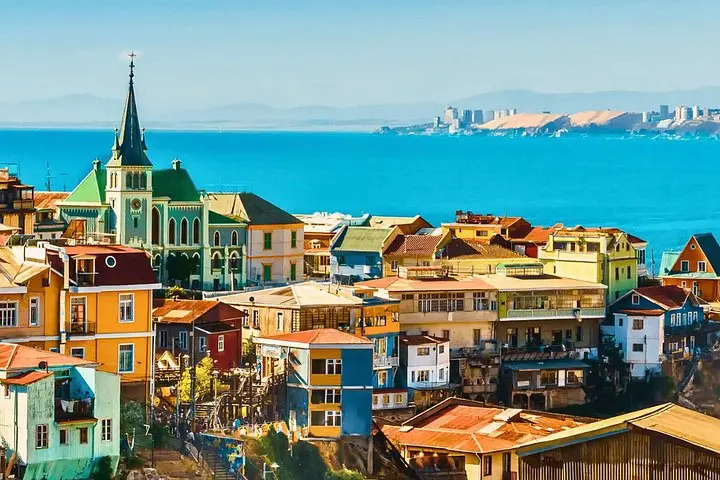
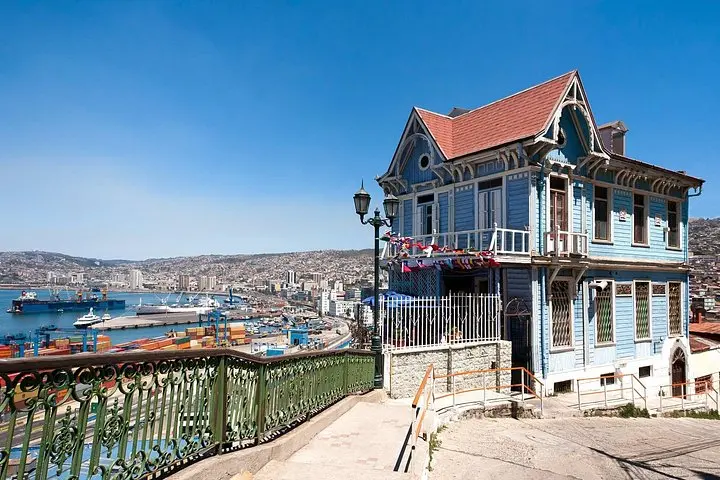
The bus eases onto the coastal highway and the Pacific opens—gray-blue water pushing against the shore as hills rise like folded maps dotted with houses. In Valparaíso, narrow streets twist between colorful façades and creaky funiculars lift you toward viewpoints where the harbor spreads below, steam of the sea air daring you to step closer.
Verified experiences and guided adventures in the surrounding area.
Operated by Turistik · Valparaíso, Valparaíso Region
The bus eases onto the coastal highway and the Pacific opens—gray-blue water pushing against the shore as hills rise like folded maps dotted with houses. In Valparaíso, narrow streets twist between colorful façades and creaky funiculars lift you toward viewpoints where the harbor spreads below, steam of the sea air daring you to step closer.
Valparaíso’s port shaped its identity: 19th-century trade brought immigrant craftsmen, unique hillside urbanism and a maritime culture now protected as a UNESCO World Heritage Site. The geology is steep—ancient marine terraces carved by tectonic uplift—so stairways and elevators (ascensores) are part of daily life. Viña del Mar, a short coastal drive away, offers the Flower Clock and sandy beaches that contrast Valparaíso’s working port.
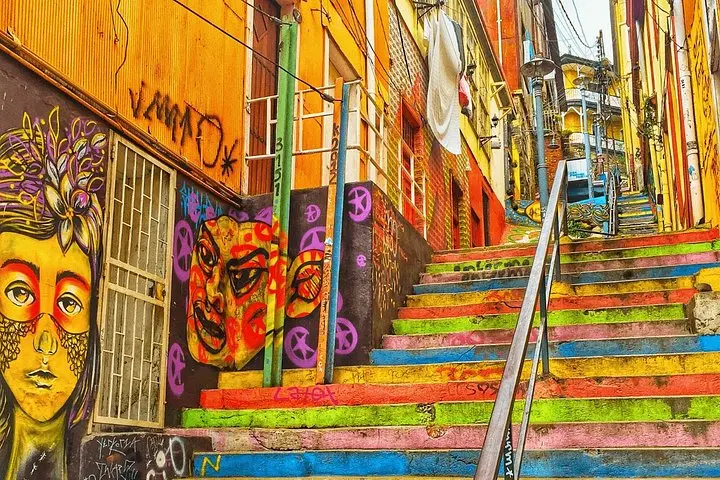
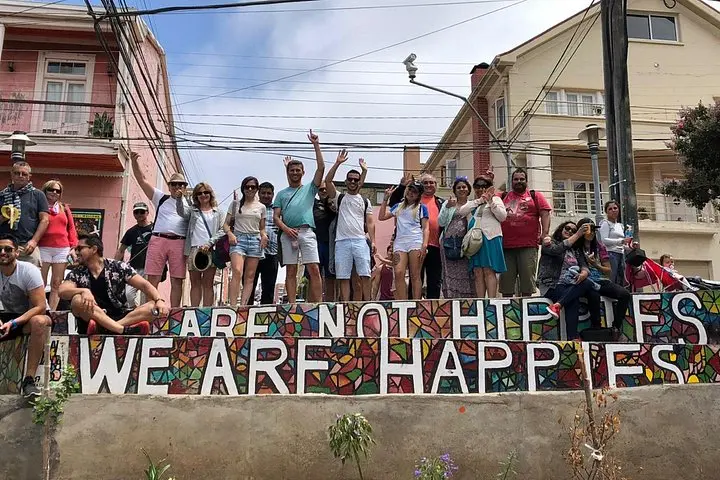
The tour stitches these places together with stops in the Casablanca Valley—wines here benefit from cool Pacific breezes—and guided walks through graffiti-rich barrios where murals function as public conversation. Local guides explain naval monuments, the city’s role in Chilean literature and how street art mirrors social change.
Practical notes: expect a full 6‑hour day with walking on uneven stone steps and some steep inclines; comfortable, closed-toe shoes and sun protection are essential. Bring Chilean pesos for lunch and small purchases; many vendors accept cards but cash is quicker. Photography buffs should plan for midday light along the coast and softer golden hours in the hills. If mobility is limited, ask about elevator access and select viewpoints accordingly; the tour lists accessible meeting points and offers bilingual guides to orient non-Spanish speakers.
The tour is about six hours and departs from central Santiago meeting points; the operator lists several pickup locations—arrive 15 minutes early.
Lunch is not included; the itinerary allows time in Viña del Mar to eat at local restaurants and cafés.
Yes—walks are rated easy, but expect stairs and slopes; infants must sit on laps and some viewpoints may be challenging for strollers.
The stop includes a visit to the Casablanca area and a wine shop, but specific tastings and cellar tours may not be included—confirm at booking.
Turistik operates guided outdoor trips and adventures with an emphasis on safety, stewardship, and memorable experiences.
The bus eases onto the coastal highway and the Pacific opens—gray-blue water pushing against the shore as hills rise like folded maps dotted with houses. In Valparaíso, narrow streets twist between colorful façades and creaky funiculars lift you toward viewpoints where the harbor spreads below, steam of the sea air daring you to step closer.
The bus eases onto the coastal highway and the Pacific opens—gray-blue water pushing against the shore as hills rise like folded maps dotted with houses. In Valparaíso, narrow streets twist between colorful façades and creaky funiculars lift you toward viewpoints where the harbor spreads below, steam of the sea air daring you to step closer.
Valparaíso’s port shaped its identity: 19th-century trade brought immigrant craftsmen, unique hillside urbanism and a maritime culture now protected as a UNESCO World Heritage Site. The geology is steep—ancient marine terraces carved by tectonic uplift—so stairways and elevators (ascensores) are part of daily life. Viña del Mar, a short coastal drive away, offers the Flower Clock and sandy beaches that contrast Valparaíso’s working port.
The tour stitches these places together with stops in the Casablanca Valley—wines here benefit from cool Pacific breezes—and guided walks through graffiti-rich barrios where murals function as public conversation. Local guides explain naval monuments, the city’s role in Chilean literature and how street art mirrors social change.
Practical notes: expect a full 6‑hour day with walking on uneven stone steps and some steep inclines; comfortable, closed-toe shoes and sun protection are essential. Bring Chilean pesos for lunch and small purchases; many vendors accept cards but cash is quicker. Photography buffs should plan for midday light along the coast and softer golden hours in the hills. If mobility is limited, ask about elevator access and select viewpoints accordingly; the tour lists accessible meeting points and offers bilingual guides to orient non-Spanish speakers.