THE ADVENTURE COLLECTIVE® · Independent discovery and booking for outdoor travel

Explore Vancouver’s waterfront and neighborhoods on a guided three-hour walking tour that links Canada Place, Stanley Park’s Totem Poles and Prospect Point, and Granville Island’s lively market. Ideal for first-time visitors who want context, views, and a taste of local culture.
Explore Vancouver’s waterfront and neighborhoods on a guided three-hour walking tour that links Canada Place, Stanley Park’s Totem Poles and Prospect Point, and Granville Island’s lively market. Ideal for first-time visitors who want context, views, and a taste of local culture.
A cool wind from Burrard Inlet pushes past the Fairmont Hotel as your guide gathers the group — gulls wheel above the piers and the glassy harbor reflects the North Shore Mountains. You step onto the waterfront and the city starts to unfold: the broad boulevard of Canada Place, the cedar-carved faces of the Totem Poles, and the green spine of Stanley Park that dares you to keep moving.
Verified experiences and guided adventures in the surrounding area.
Operated by Guydeez · Vancouver, British Columbia
A cool wind from Burrard Inlet pushes past the Fairmont Hotel as your guide gathers the group — gulls wheel above the piers and the glassy harbor reflects the North Shore Mountains. You step onto the waterfront and the city starts to unfold: the broad boulevard of Canada Place, the cedar-carved faces of the Totem Poles, and the green spine of Stanley Park that dares you to keep moving.
This three-hour walk threads together Vancouver’s modern harborfront and Indigenous history. The park’s bedrock and shoreline were shaped by glaciers; wind and tide still shape the city’s edges. Prospect Point gives a clear view of the Lions Gate Bridge and the folded ridges of the North Shore, while Granville Island—an industrial peninsula turned marketplace—highlights Vancouver’s contemporary food and arts culture.
Expect paved paths and seawall segments, roughly 5–7 km of walking with only modest elevation gains (short climbs near Prospect Point of about 30–60 m). Terrain is urban and accessible, though sections can be slippery after rain. The tour pairs narrative — First Nations context, 19th-century logging and 20th-century port development — with local insights about markets, public art, and how the seawall shaped city life.
Practical notes: wear supportive shoes, layer for coastal weather, and bring a reloadable transit card or small cash for Granville Island snacks. If you want quieter photos, start at opening hours when light is softer and the seawall feels more like a personal promenade than a commuter route.
The meeting point is the front entrance of The Fairmont Hotel Vancouver; the tour returns to the same spot at the scheduled end time.
Most sections, including the seawall and Granville Island market, are wheelchair accessible, though some short stair sections exist near viewpoints—check with the guide for an accessible routing.
No — the tour includes guiding only; you’ll have free time at Granville Island to buy food and browse independently.
The standard offering lists an English-speaking guide; private options may allow other languages by request.
Guydeez operates guided outdoor trips and adventures with an emphasis on safety, stewardship, and memorable experiences.
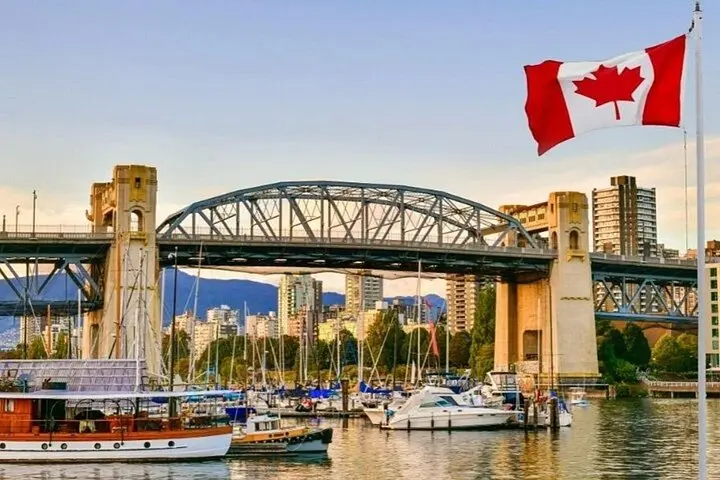
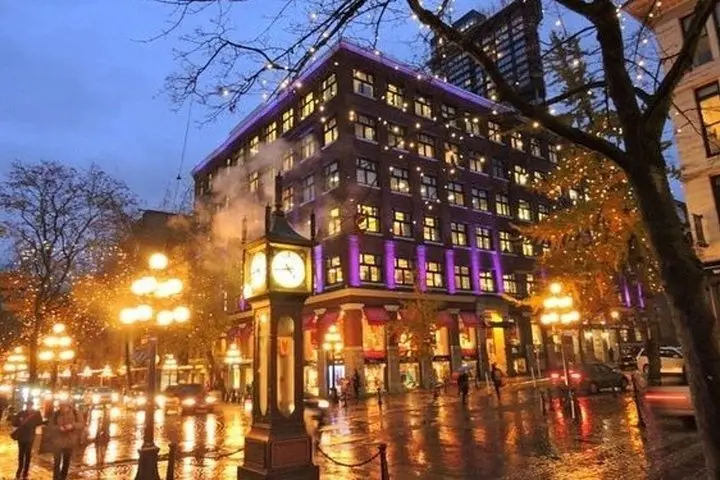
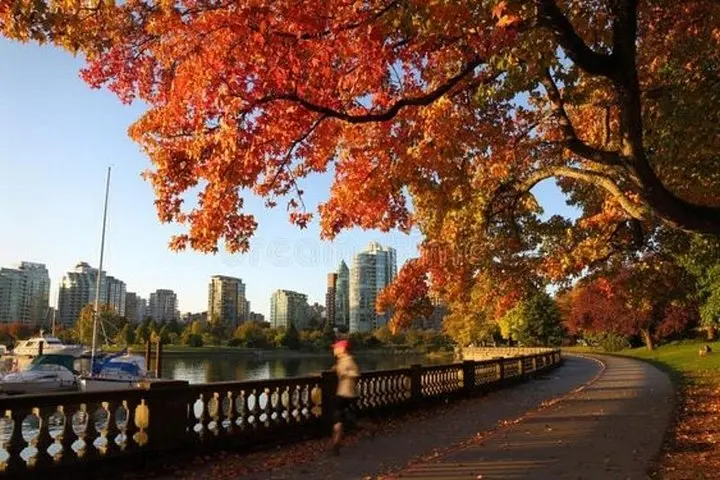
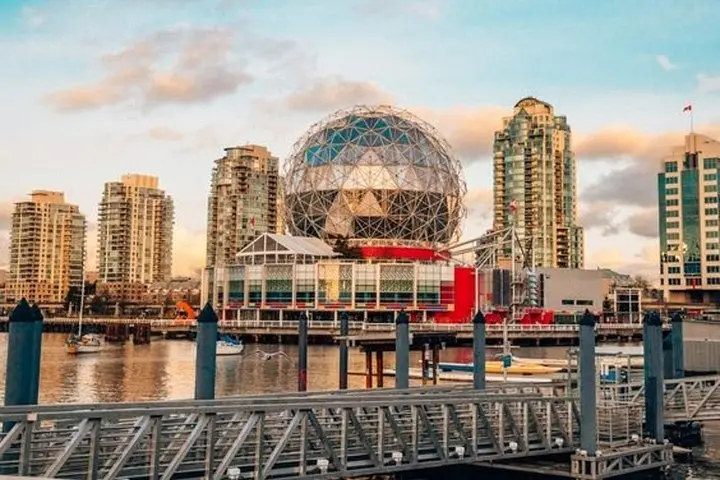
A cool wind from Burrard Inlet pushes past the Fairmont Hotel as your guide gathers the group — gulls wheel above the piers and the glassy harbor reflects the North Shore Mountains. You step onto the waterfront and the city starts to unfold: the broad boulevard of Canada Place, the cedar-carved faces of the Totem Poles, and the green spine of Stanley Park that dares you to keep moving.
A cool wind from Burrard Inlet pushes past the Fairmont Hotel as your guide gathers the group — gulls wheel above the piers and the glassy harbor reflects the North Shore Mountains. You step onto the waterfront and the city starts to unfold: the broad boulevard of Canada Place, the cedar-carved faces of the Totem Poles, and the green spine of Stanley Park that dares you to keep moving.
This three-hour walk threads together Vancouver’s modern harborfront and Indigenous history. The park’s bedrock and shoreline were shaped by glaciers; wind and tide still shape the city’s edges. Prospect Point gives a clear view of the Lions Gate Bridge and the folded ridges of the North Shore, while Granville Island—an industrial peninsula turned marketplace—highlights Vancouver’s contemporary food and arts culture.
Expect paved paths and seawall segments, roughly 5–7 km of walking with only modest elevation gains (short climbs near Prospect Point of about 30–60 m). Terrain is urban and accessible, though sections can be slippery after rain. The tour pairs narrative — First Nations context, 19th-century logging and 20th-century port development — with local insights about markets, public art, and how the seawall shaped city life.
Practical notes: wear supportive shoes, layer for coastal weather, and bring a reloadable transit card or small cash for Granville Island snacks. If you want quieter photos, start at opening hours when light is softer and the seawall feels more like a personal promenade than a commuter route.