
Vancouver to Seattle by Seaplane: One-Way Scenic Transfer Over the Salish Sea
Cut the border wait and trade highway monotony for 55 minutes of coastal panoramas. This one-way seaplane transfer between Vancouver and Seattle pairs fast international travel with sweeping views of city, islands, and sea.
An Adventure In Vancouver.
Cut the border wait and trade highway monotony for 55 minutes of coastal panoramas. This one-way seaplane transfer between Vancouver and Seattle pairs fast international travel with sweeping views of city, islands, and sea.
Read the full experience
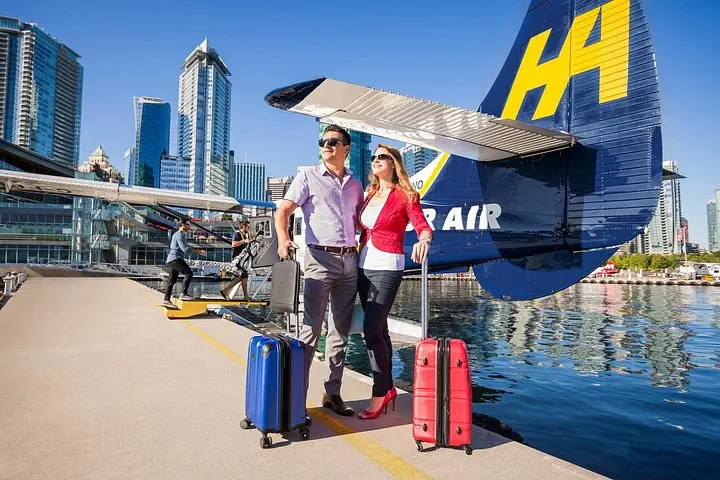
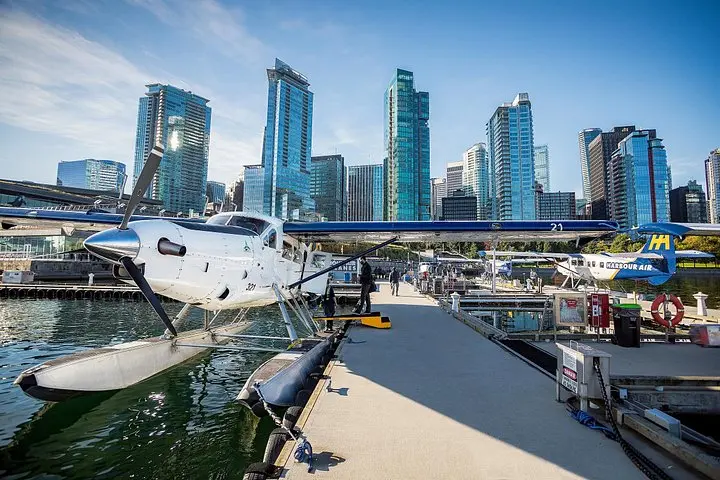
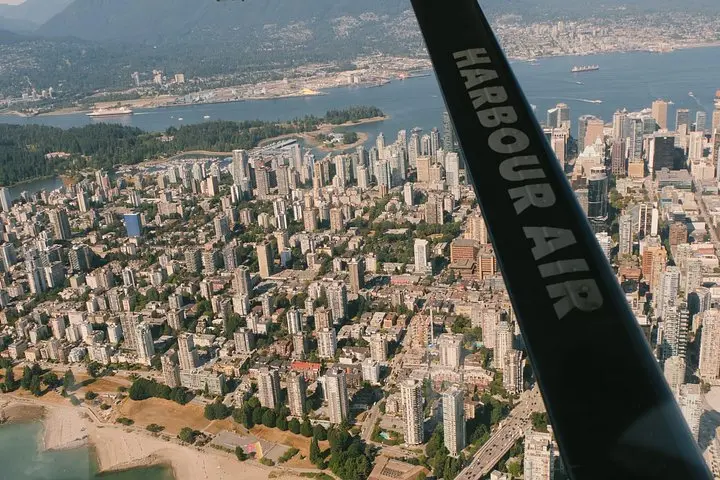
You lift from the sheltered face of Coal Harbour and the city loosens its grip: towers shrink, the green bulk of Stanley Park rolls away, and the North Shore peaks stand like dark teeth along the horizon. The seaplane hums, pontoons skimming the water as you slide into a compact cockpit world where every seat is front-row. For 55 minutes you fly the seam between two countries, charting the Salish Sea, skimming islands, and touching down amid Seattle’s downtown reflections on Lake Union.
You lift from the sheltered face of Coal Harbour and the city loosens its grip: towers shrink, the green bulk of Stanley Park rolls away, and the North Shore peaks stand like dark teeth along the horizon. The seaplane hums, pontoons skimming the water as you slide into a compact cockpit world where every seat is front-row. For 55 minutes you fly the seam between two countries, charting the Salish Sea, skimming islands, and touching down amid Seattle’s downtown reflections on Lake Union.
This short hop is more than convenience; it's a condensed geography lesson. The air route traces glacially carved fjords and waterways shaped by the last ice age — low, forested islands, rocky shorelines, and tidal flats that feed an ecosystem long used by Indigenous peoples. Coast Salish nations have lived and traveled these waters for millennia; today you cross a border that was drawn over landscapes that already had names and routes. The modern terminals — Coal Harbour’s low-key seaplane base and Seattle’s Lake Union dock near MOHAI — are contemporary portals into the same maritime network.
Geology and weather define the experience. Low-pressure systems roll in off the Pacific, turning skies from glass to cloud in an hour, while late-summer high pressure gives the clearest vistas. Pilots read currents and wind as much as instruments; landing on Lake Union brings a different pace, with the city’s industrial shores and the Space Needle puncturing the skyline as you slow to float.
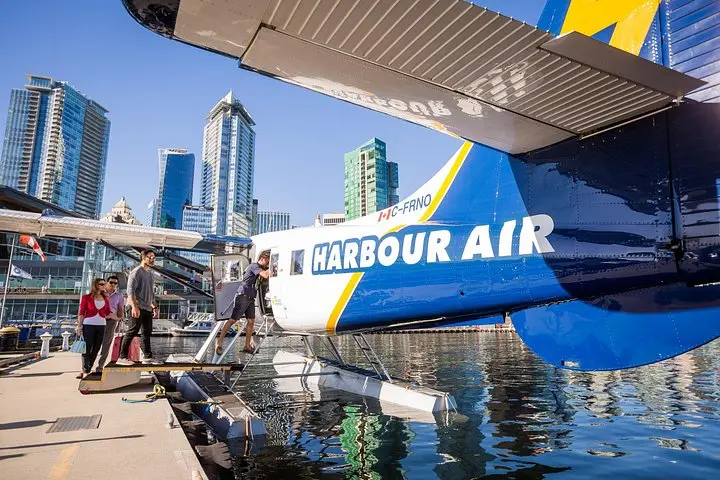
Practical matters: check in 60 minutes before departure, bring a valid passport, and be ready for a pre-departure customs process. Fare includes 25 lb (11 kg) of checked baggage; extra baggage requires prior arrangement. The operation is friendly to travelers of average mobility but you must be ambulatory for boarding. Weather can reroute or delay flights — plan flexible onward travel.
For photographers and city hoppers the route is invaluable. Sit on the right for Vancouver and the Lions Gate Bridge, and on the left for Seattle’s approach and the San Juan Islands. Pack a windproof layer, secure your camera strap, and be prepared to lean into quick window-glass reflections.
Why choose this over driving or conventional airports? Time: the door-to-door clock is often half or less than ground routes that include border waits and highway congestion. The ride has an intimacy that big jets don’t offer — the pilot’s voice, the compact cabin vibration, the ability to see both urban grids and wild shorelines at once.
If you’re after an efficient international transfer with scenery built in, this seaplane ride is practical travel that also delivers repeated small moments of surprise — islands daring you to name them, currents pushing the plane closer to the surface, and two cities revealed from water and altitude.
Frequently asked questions
Yes. All passengers must present a valid passport and any applicable visas or ESTA at check-in for U.S. entry.
The fare includes one piece up to 25 lb (11 kg). Extra baggage requires advance purchase or an additional seat—contact the operator before travel.
Arrive at least 60 minutes before departure for check-in and customs. Late check-ins may not be accepted.
Yes. Weather can delay or cancel seaplane flights for safety. Schedule connections with buffer time and confirm flight status directly with the operator.
Infants are allowed but must sit on an adult’s lap; ensure you have identification and any required documentation.
Passengers must be ambulatory for boarding and disembarking. Mobility aids can assist to the waterline but full wheelchair boarding is not available on the aircraft.
About This Experience
Harbour Air Seaplanes operates guided outdoor trips and adventures with an emphasis on safety, stewardship, and memorable experiences.
Adventure tips
Recommended gear
- Passport and travel documents: Required for international travel and customs processing.
- Windproof jacket: Planes are small and runoff air makes a lightweight jacket useful on landing and during wait times.
- Camera with wrist or neck strap: A compact camera or phone with a strap secures shots through small windows and quick scenes.
- Small, soft-sided carry-on: Soft bags stow more easily in small aircraft compartments and comply with the 25 lb luggage limit.
Photos of the experience
Related adventures & guides
Read the full experience
You lift from the sheltered face of Coal Harbour and the city loosens its grip: towers shrink, the green bulk of Stanley Park rolls away, and the North Shore peaks stand like dark teeth along the horizon. The seaplane hums, pontoons skimming the water as you slide into a compact cockpit world where every seat is front-row. For 55 minutes you fly the seam between two countries, charting the Salish Sea, skimming islands, and touching down amid Seattle’s downtown reflections on Lake Union.
You lift from the sheltered face of Coal Harbour and the city loosens its grip: towers shrink, the green bulk of Stanley Park rolls away, and the North Shore peaks stand like dark teeth along the horizon. The seaplane hums, pontoons skimming the water as you slide into a compact cockpit world where every seat is front-row. For 55 minutes you fly the seam between two countries, charting the Salish Sea, skimming islands, and touching down amid Seattle’s downtown reflections on Lake Union.
This short hop is more than convenience; it's a condensed geography lesson. The air route traces glacially carved fjords and waterways shaped by the last ice age — low, forested islands, rocky shorelines, and tidal flats that feed an ecosystem long used by Indigenous peoples. Coast Salish nations have lived and traveled these waters for millennia; today you cross a border that was drawn over landscapes that already had names and routes. The modern terminals — Coal Harbour’s low-key seaplane base and Seattle’s Lake Union dock near MOHAI — are contemporary portals into the same maritime network.
Geology and weather define the experience. Low-pressure systems roll in off the Pacific, turning skies from glass to cloud in an hour, while late-summer high pressure gives the clearest vistas. Pilots read currents and wind as much as instruments; landing on Lake Union brings a different pace, with the city’s industrial shores and the Space Needle puncturing the skyline as you slow to float.
Practical matters: check in 60 minutes before departure, bring a valid passport, and be ready for a pre-departure customs process. Fare includes 25 lb (11 kg) of checked baggage; extra baggage requires prior arrangement. The operation is friendly to travelers of average mobility but you must be ambulatory for boarding. Weather can reroute or delay flights — plan flexible onward travel.
For photographers and city hoppers the route is invaluable. Sit on the right for Vancouver and the Lions Gate Bridge, and on the left for Seattle’s approach and the San Juan Islands. Pack a windproof layer, secure your camera strap, and be prepared to lean into quick window-glass reflections.
Why choose this over driving or conventional airports? Time: the door-to-door clock is often half or less than ground routes that include border waits and highway congestion. The ride has an intimacy that big jets don’t offer — the pilot’s voice, the compact cabin vibration, the ability to see both urban grids and wild shorelines at once.
If you’re after an efficient international transfer with scenery built in, this seaplane ride is practical travel that also delivers repeated small moments of surprise — islands daring you to name them, currents pushing the plane closer to the surface, and two cities revealed from water and altitude.
Make a day of it nearby.
Verified experiences and guided adventures in the surrounding area.