THE ADVENTURE COLLECTIVE® · Independent discovery and booking for outdoor travel

A seven-day private circuit from Delhi to Varanasi and Agra, this itinerary pairs a sunrise Ganges boat ride with Taj Mahal entry and guided walks through India’s most storied religious and historic sites. Expect early mornings, busy bazaars, and close-up cultural encounters.
A seven-day private circuit from Delhi to Varanasi and Agra, this itinerary pairs a sunrise Ganges boat ride with Taj Mahal entry and guided walks through India’s most storied religious and historic sites. Expect early mornings, busy bazaars, and close-up cultural encounters.
The sun leans low over the Ganges as a narrow boat slips past morning smoke and brass lamps—this tour opens with that exact scene: a dawn boat ride at Dasaswamedh Ghat that frames Varanasi’s ritual life against an ancient city that refuses to be ordinary.
Verified experiences and guided adventures in the surrounding area.
Operated by India Magic Tours · Varanasi, Uttar Pradesh
The sun leans low over the Ganges as a narrow boat slips past morning smoke and brass lamps—this tour opens with that exact scene: a dawn boat ride at Dasaswamedh Ghat that frames Varanasi’s ritual life against an ancient city that refuses to be ordinary.
Over seven days the route moves from New Delhi’s colonial and Mughal landmarks to Varanasi’s ghats and Sarnath, then on to Agra’s Taj Mahal and Agra Fort. Varanasi is among the world’s oldest continuously inhabited cities; its riverfront rituals and alleyway markets speak to centuries of religious life. The Taj, carved from Makrana marble in the 17th century by Shah Jahan, sits on alluvial plains where the Yamuna’s floodplain once supplied the materials and trade that fed Mughal architecture.
Expect crowded streets, rickshaw rattles, and guided walks through markets and temple precincts; days punctuate with quiet moments—sunrise on the river, aarti flame reflections, and the pale marble glow of the Taj at mid-morning. Cultural context is constant: temple protocols, caste and pilgrimage practices, and the long history of Sanskrit scholarship at BHU and Sarnath.
Practical guidance: start early to avoid heat and crowds, dress modestly (shoulders and knees covered) for temple visits, and bring a reusable water bottle and reliable walking shoes—many surfaces are uneven. Plan for short train or flight transfers between cities and carry photocopies of passport details for ticketing. Use a trusted guide for language, navigation, and respectful engagement with sacred sites.
The Taj Mahal is closed on Fridays for prayer; check other national holidays before booking as opening hours can change.
Licensed boatmen use small wooden boats; choose operators with life jackets, avoid crowded vessels, and go at dawn or dusk when visibility and calm conditions are best.
Most foreign visitors require an Indian visa; operators usually need passport details for train/flight bookings—carry originals and digital copies.
Tipping is customary; typical ranges are 300–800 INR per day for guides and 100–300 INR per day for drivers, adjusted for service and group size.
India Magic Tours operates guided outdoor trips and adventures with an emphasis on safety, stewardship, and memorable experiences.
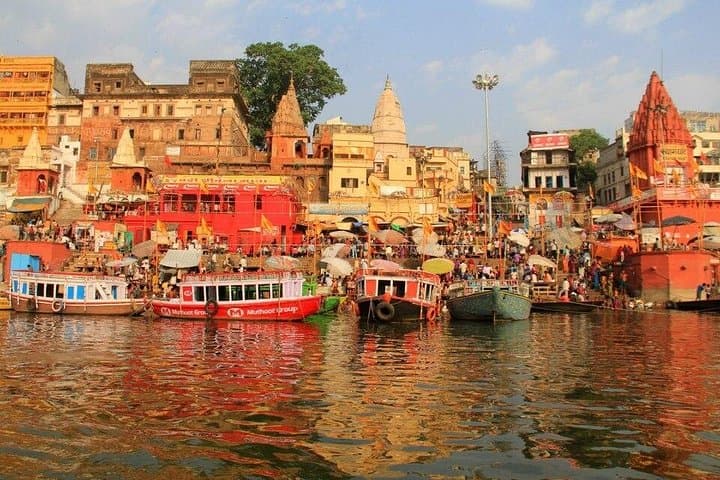
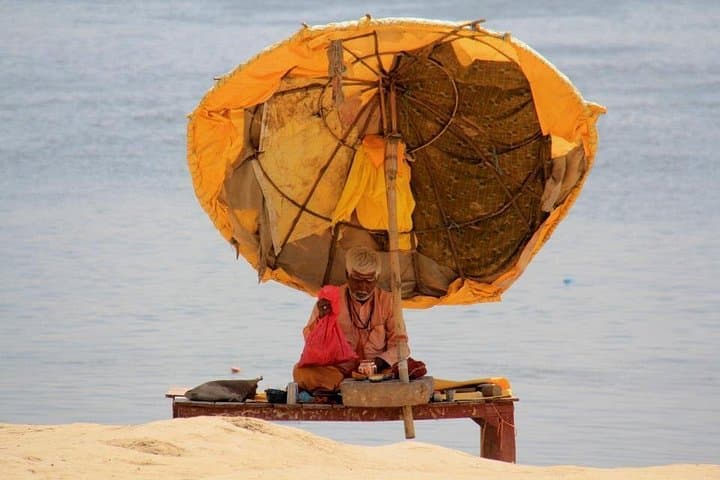
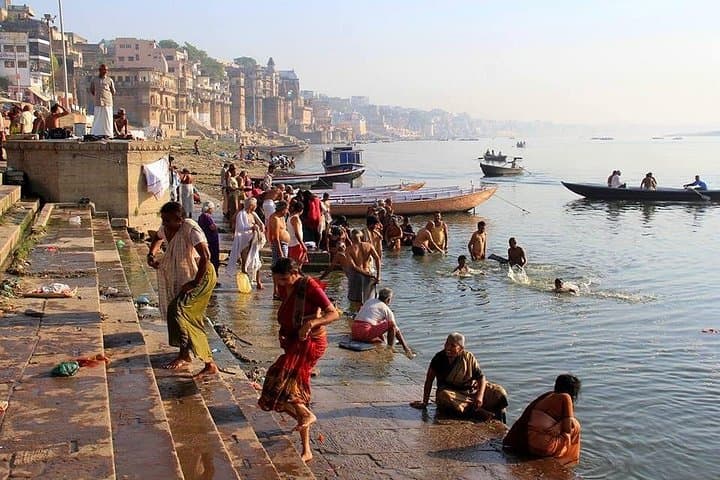

The sun leans low over the Ganges as a narrow boat slips past morning smoke and brass lamps—this tour opens with that exact scene: a dawn boat ride at Dasaswamedh Ghat that frames Varanasi’s ritual life against an ancient city that refuses to be ordinary.
The sun leans low over the Ganges as a narrow boat slips past morning smoke and brass lamps—this tour opens with that exact scene: a dawn boat ride at Dasaswamedh Ghat that frames Varanasi’s ritual life against an ancient city that refuses to be ordinary.
Over seven days the route moves from New Delhi’s colonial and Mughal landmarks to Varanasi’s ghats and Sarnath, then on to Agra’s Taj Mahal and Agra Fort. Varanasi is among the world’s oldest continuously inhabited cities; its riverfront rituals and alleyway markets speak to centuries of religious life. The Taj, carved from Makrana marble in the 17th century by Shah Jahan, sits on alluvial plains where the Yamuna’s floodplain once supplied the materials and trade that fed Mughal architecture.
Expect crowded streets, rickshaw rattles, and guided walks through markets and temple precincts; days punctuate with quiet moments—sunrise on the river, aarti flame reflections, and the pale marble glow of the Taj at mid-morning. Cultural context is constant: temple protocols, caste and pilgrimage practices, and the long history of Sanskrit scholarship at BHU and Sarnath.
Practical guidance: start early to avoid heat and crowds, dress modestly (shoulders and knees covered) for temple visits, and bring a reusable water bottle and reliable walking shoes—many surfaces are uneven. Plan for short train or flight transfers between cities and carry photocopies of passport details for ticketing. Use a trusted guide for language, navigation, and respectful engagement with sacred sites.