THE ADVENTURE COLLECTIVE® · Independent discovery and booking for outdoor travel

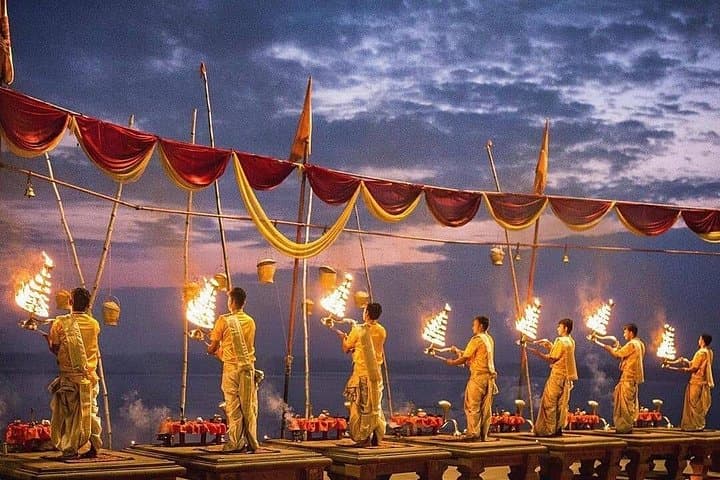
Witness the sunrise on the Ganges, attend the electrifying Ganga Aarti at Dashashwamedh Ghat, and visit Sarnath’s stupas and museum on a compact private tour. Practical tips and local context help you move confidently through the city’s rituals and ruins.
Witness the sunrise on the Ganges, attend the electrifying Ganga Aarti at Dashashwamedh Ghat, and visit Sarnath’s stupas and museum on a compact private tour. Practical tips and local context help you move confidently through the city’s rituals and ruins.
You step onto the wooden boat before sunrise and the Ganges accepts the day with a hush — oars cut a silver ribbon as priests light small earthen lamps and the city’s ghats begin to breathe. The boat glides past bathing ghats, cremation platforms, and narrow stone steps where daily ritual and commerce meet.
Verified experiences and guided adventures in the surrounding area.
Operated by Taj One Day Tour · Varanasi, Uttar Pradesh
You step onto the wooden boat before sunrise and the Ganges accepts the day with a hush — oars cut a silver ribbon as priests light small earthen lamps and the city’s ghats begin to breathe. The boat glides past bathing ghats, cremation platforms, and narrow stone steps where daily ritual and commerce meet.
Varanasi is one of the world’s oldest continuously inhabited cities; its lanes and temples record centuries of Hindu practice, while just 10 km away Sarnath preserves the site where Buddha gave his first sermon. Geologically, the plains here are part of the Indo-Gangetic floodplain, the river carving soft silt banks that shape the stepped ghats. Culturally the city is direct — chants, temple bells, and market calls form the urban tempo. In Sarnath, brick stupas and the Ashokan pillar recall Mauryan-era Buddhism and the spread of early Indian stonework.
Practical guidance: plan for early mornings and cooler light for photography, modest clothing (shoulders and knees covered) for temples, and slip-resistant shoes for wet stone steps. Expect close crowds at Dashashwamedh Ghat for the Ganga Aarti; arrive 30–45 minutes early for a good view. The private guide will handle permits and local navigation, but carry small bills for offerings and tips.
This itinerary blends contemplative river time with focused archaeological walks, making it accessible for most travelers who can manage short walks on uneven ground and stairs.
Typical sunrise boat rides last 45–90 minutes depending on the route and how many ghats you visit.
Yes — the itinerary is gentle, but expect stairs and some standing; notify the operator of mobility needs for pickup and boat arrangements.
This tour covers private guiding and transfers; some temple donations or entry fees (like museum tickets in Sarnath) may not be included — confirm at booking.
Yes — private guides provide cultural context and advise on photography etiquette, including areas where photos are restricted.
Taj One Day Tour operates guided outdoor trips and adventures with an emphasis on safety, stewardship, and memorable experiences.
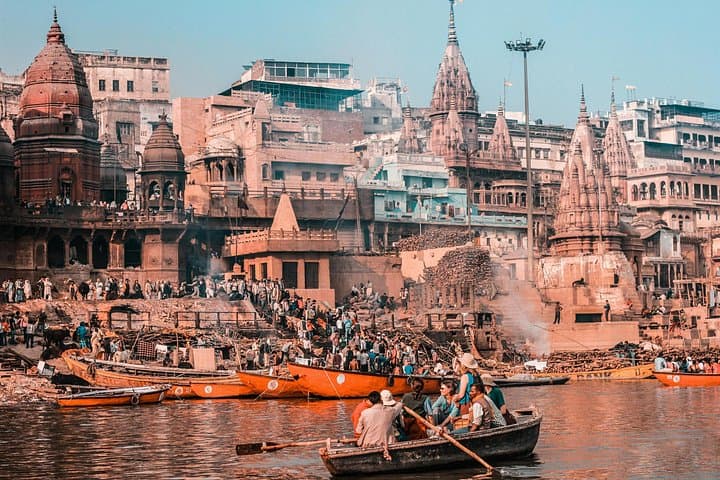


You step onto the wooden boat before sunrise and the Ganges accepts the day with a hush — oars cut a silver ribbon as priests light small earthen lamps and the city’s ghats begin to breathe. The boat glides past bathing ghats, cremation platforms, and narrow stone steps where daily ritual and commerce meet.
You step onto the wooden boat before sunrise and the Ganges accepts the day with a hush — oars cut a silver ribbon as priests light small earthen lamps and the city’s ghats begin to breathe. The boat glides past bathing ghats, cremation platforms, and narrow stone steps where daily ritual and commerce meet.
Varanasi is one of the world’s oldest continuously inhabited cities; its lanes and temples record centuries of Hindu practice, while just 10 km away Sarnath preserves the site where Buddha gave his first sermon. Geologically, the plains here are part of the Indo-Gangetic floodplain, the river carving soft silt banks that shape the stepped ghats. Culturally the city is direct — chants, temple bells, and market calls form the urban tempo. In Sarnath, brick stupas and the Ashokan pillar recall Mauryan-era Buddhism and the spread of early Indian stonework.
Practical guidance: plan for early mornings and cooler light for photography, modest clothing (shoulders and knees covered) for temples, and slip-resistant shoes for wet stone steps. Expect close crowds at Dashashwamedh Ghat for the Ganga Aarti; arrive 30–45 minutes early for a good view. The private guide will handle permits and local navigation, but carry small bills for offerings and tips.
This itinerary blends contemplative river time with focused archaeological walks, making it accessible for most travelers who can manage short walks on uneven ground and stairs.