THE ADVENTURE COLLECTIVE® · Independent discovery and booking for outdoor travel

Float along the Ganges at first light to see Varanasi’s ghats come alive—priests, yoga, and morning rituals framed by soft sunrise. This 80-minute boat tour pairs calm river travel with cultural context from a local guide.
Float along the Ganges at first light to see Varanasi’s ghats come alive—priests, yoga, and morning rituals framed by soft sunrise. This 80-minute boat tour pairs calm river travel with cultural context from a local guide.
You push off from the stone stairs before sunrise, the boat’s bow slicing a silver ribbon on the Ganges as the city wakes. Smoke from morning offerings threads the air, priests chant low on the ghats and the river itself seems to pull you forward toward the day.
Verified experiences and guided adventures in the surrounding area.
Operated by Hidden secrets of Varanasi: Vibrant tradition · Varanasi, Uttar Pradesh
You push off from the stone stairs before sunrise, the boat’s bow slicing a silver ribbon on the Ganges as the city wakes. Smoke from morning offerings threads the air, priests chant low on the ghats and the river itself seems to pull you forward toward the day.
This short river journey takes place along some of Varanasi’s oldest ghats—Dashashwamedh, Manikarnika and quieter stretches where wooden boats gather like bookmarks on a living page. The Ganges here is an alluvial plain channel fed from Himalayan waters; its slow current carries centuries of ritual and commerce. You’ll witness bathing ceremonies, yoga on the steps, and morning puja performed with flowers and oil lamps.
Culturally, the ghats are public living rooms: spaces for life-cycle rites, daily cleansing and devotional practice. Guides typically explain the mythology tied to each ghat—stories of kings, sages and gods—that shape local customs.
Practical guidance: the tour lasts about 75–90 minutes and runs at first light to capture the best light and calm water. Bring layered clothing (mornings are cool year-round), a water-resistant bag for camera gear and small local currency for tips. Expect a small serving of chai or coffee included and space for 10–15 travelers on shared boats; private options exist but are less common.
Respect is critical—stay quiet near cremation ghats, don’t throw anything into the river and ask before photographing people. The experience is part sightseeing, part cultural immersion: move slowly, listen to your guide, and let the river set the pace.
Tours depart at first light; exact time varies by season but plan for about 45–60 minutes before official sunrise.
Yes—infants must sit on an adult’s lap; staff advise children be supervised near the boat and ghats.
The route passes both bathing and cremation ghats; guides will explain cultural context and advise on respectful distance and behavior.
Local guides typically speak English and Hindi; confirm language needs when booking.
Hidden secrets of Varanasi: Vibrant tradition operates guided outdoor trips and adventures with an emphasis on safety, stewardship, and memorable experiences.
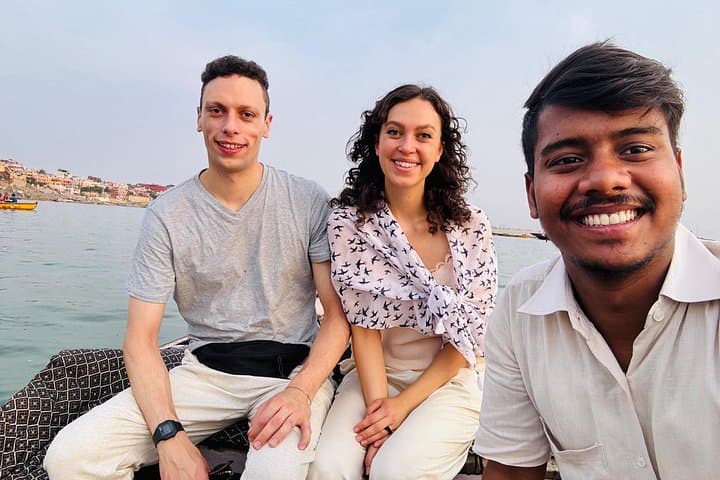
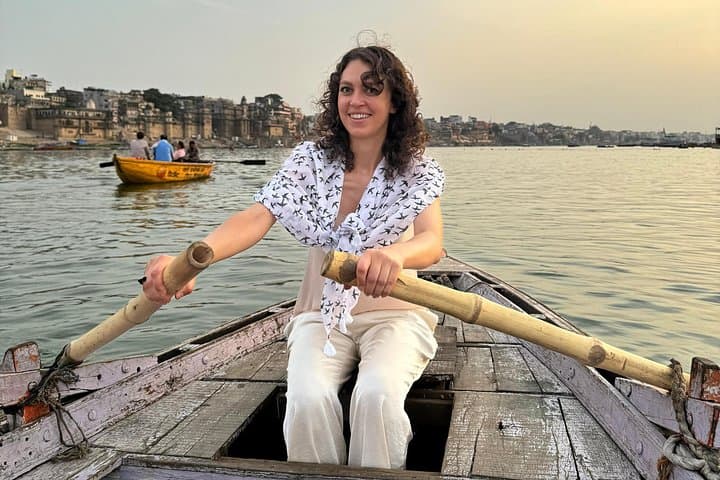
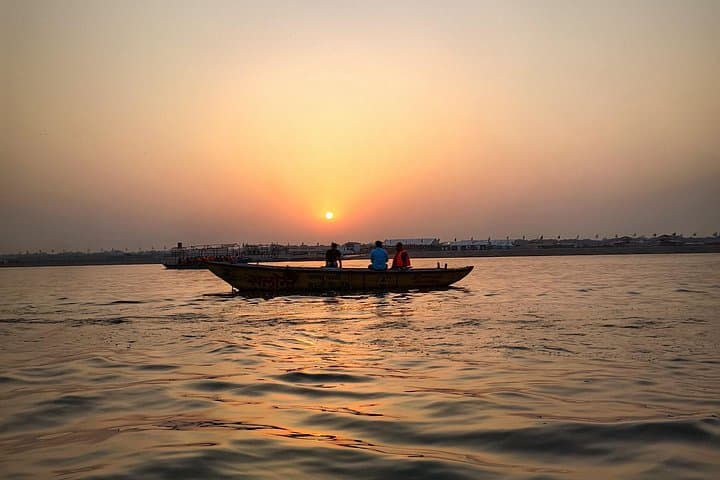
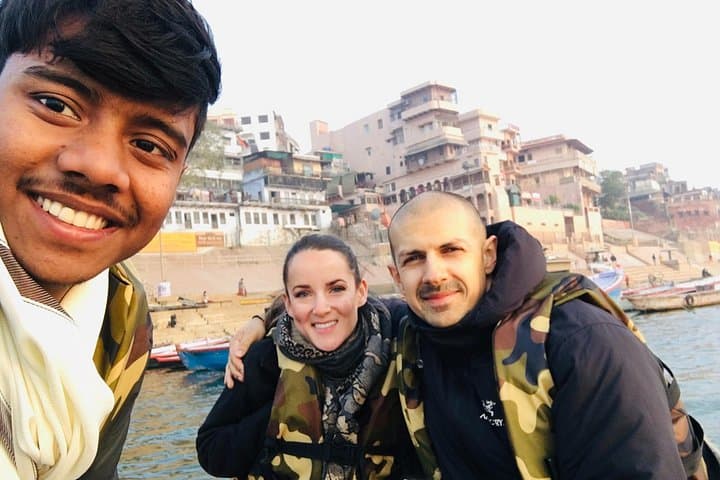
You push off from the stone stairs before sunrise, the boat’s bow slicing a silver ribbon on the Ganges as the city wakes. Smoke from morning offerings threads the air, priests chant low on the ghats and the river itself seems to pull you forward toward the day.
You push off from the stone stairs before sunrise, the boat’s bow slicing a silver ribbon on the Ganges as the city wakes. Smoke from morning offerings threads the air, priests chant low on the ghats and the river itself seems to pull you forward toward the day.
This short river journey takes place along some of Varanasi’s oldest ghats—Dashashwamedh, Manikarnika and quieter stretches where wooden boats gather like bookmarks on a living page. The Ganges here is an alluvial plain channel fed from Himalayan waters; its slow current carries centuries of ritual and commerce. You’ll witness bathing ceremonies, yoga on the steps, and morning puja performed with flowers and oil lamps.
Culturally, the ghats are public living rooms: spaces for life-cycle rites, daily cleansing and devotional practice. Guides typically explain the mythology tied to each ghat—stories of kings, sages and gods—that shape local customs.
Practical guidance: the tour lasts about 75–90 minutes and runs at first light to capture the best light and calm water. Bring layered clothing (mornings are cool year-round), a water-resistant bag for camera gear and small local currency for tips. Expect a small serving of chai or coffee included and space for 10–15 travelers on shared boats; private options exist but are less common.
Respect is critical—stay quiet near cremation ghats, don’t throw anything into the river and ask before photographing people. The experience is part sightseeing, part cultural immersion: move slowly, listen to your guide, and let the river set the pace.