THE ADVENTURE COLLECTIVE® · Independent discovery and booking for outdoor travel

Taste Ginza's vegan side on a four-hour guided walk through pastry shops, bento stops, and one of Tokyo's few vegan ramen restaurants. Learn ingredient histories and practical tips while sampling refined plant-based dishes.
Taste Ginza's vegan side on a four-hour guided walk through pastry shops, bento stops, and one of Tokyo's few vegan ramen restaurants. Learn ingredient histories and practical tips while sampling refined plant-based dishes.
You step off the Ginza subway and the streetlight glare and glass façades press in like a welcome. The guide folds a map, and your group moves through narrow lanes where pastry windows glitter and the scent of simmering broth threads up from side streets. This late-afternoon walk—centered on refined wagashi, a seasonal bento, and vegan ramen—lets Tokyo's ordered energy feel immediate and tactile.
Verified experiences and guided adventures in the surrounding area.
Operated by Urban Trekkers · Tokyo, Tokyo
You step off the Ginza subway and the streetlight glare and glass façades press in like a welcome. The guide folds a map, and your group moves through narrow lanes where pastry windows glitter and the scent of simmering broth threads up from side streets. This late-afternoon walk—centered on refined wagashi, a seasonal bento, and vegan ramen—lets Tokyo's ordered energy feel immediate and tactile.
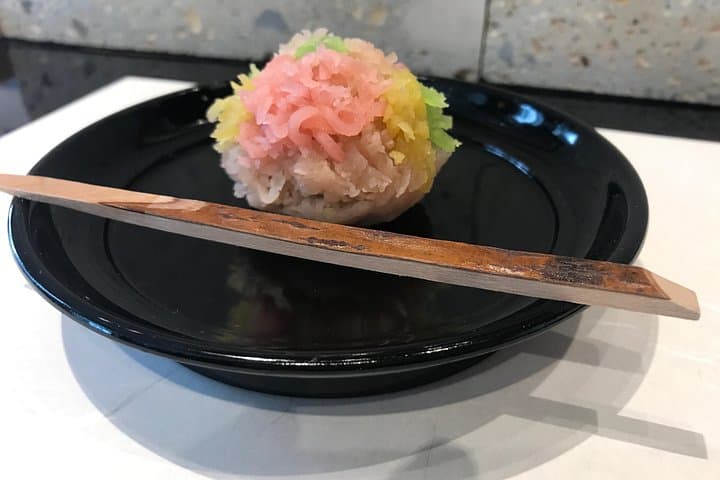
Ginza's streets bear a layered history: once low-lying rice paddies and silver workshops, then rebuilt after the 1870s as a Western-style commercial quarter; today's glass towers sit atop that urban story. The district's geology is plain — reclaimed and densely urbanized — but culture is rich: tea-ceremony sweets (wagashi) reflect centuries of seasonal aesthetics, while modern vegan chefs reinterpret ramen, a national comfort food.
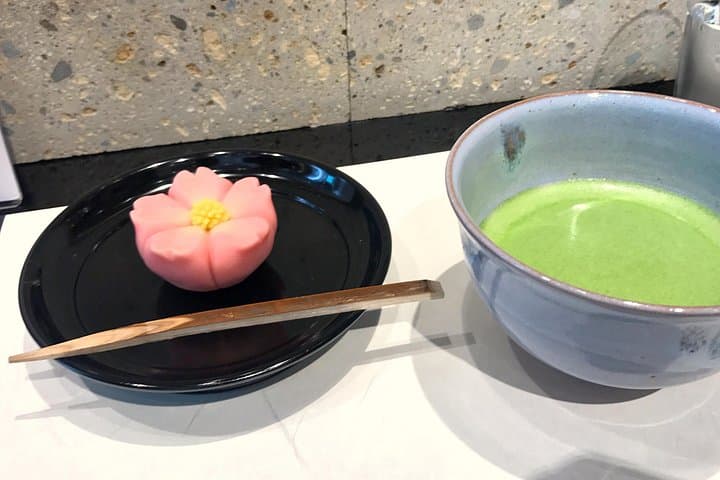
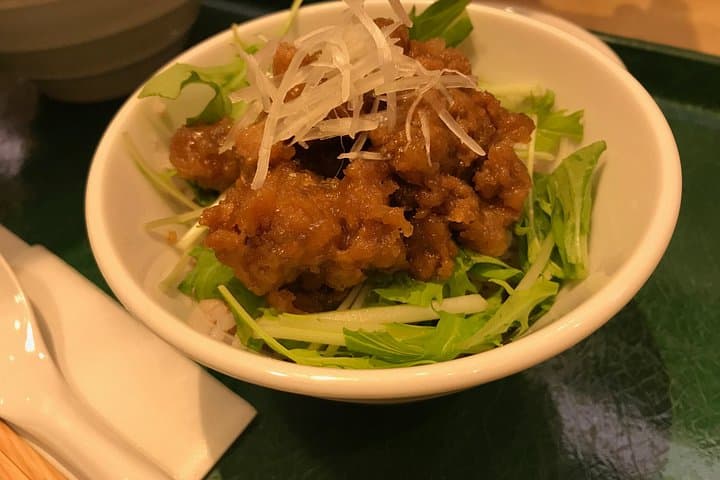
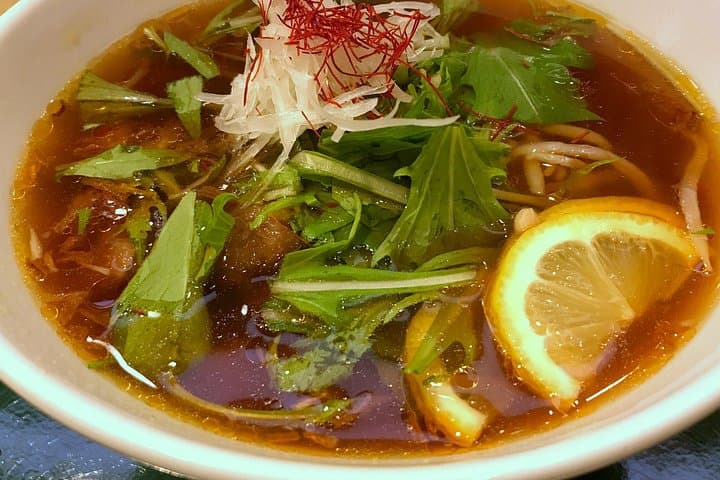
Expect sensory contrasts: delicate, vegetal matcha with subtly sweet confections; then a warm, umami-forward bowl of plant-based broth that pushes you forward through the evening. Conversation with an English-speaking guide gives context about ingredients, etiquette, and where to explore afterward.
Practical guidance: the tour runs about four hours and covers several short walking segments—bring comfortable shoes and a small water bottle. Many stops are in compact shops with limited seating; mobility access varies but the operator lists wheelchair-accessible options. Reserve in advance for small-group spaces and notify dietary needs when booking.
This is urban exploration with a culinary focus: a paced, practical way to see Ginza through flavor, history, and modern vegan innovation.
The operator lists wheelchair-accessible options, but notify them when booking so they can confirm specific shop access and seating.
Yes—children must be accompanied by an adult; indicate ages when booking to ensure appropriate portions and pacing.
Most stops accept cards, but some smaller shops prefer cash—carry a small amount of yen just in case.
Yes, all included tastings and meals are vegan; the guide can explain ingredient sources and substitutions if needed.
Urban Trekkers operates guided outdoor trips and adventures with an emphasis on safety, stewardship, and memorable experiences.
You step off the Ginza subway and the streetlight glare and glass façades press in like a welcome. The guide folds a map, and your group moves through narrow lanes where pastry windows glitter and the scent of simmering broth threads up from side streets. This late-afternoon walk—centered on refined wagashi, a seasonal bento, and vegan ramen—lets Tokyo's ordered energy feel immediate and tactile.
You step off the Ginza subway and the streetlight glare and glass façades press in like a welcome. The guide folds a map, and your group moves through narrow lanes where pastry windows glitter and the scent of simmering broth threads up from side streets. This late-afternoon walk—centered on refined wagashi, a seasonal bento, and vegan ramen—lets Tokyo's ordered energy feel immediate and tactile.
Ginza's streets bear a layered history: once low-lying rice paddies and silver workshops, then rebuilt after the 1870s as a Western-style commercial quarter; today's glass towers sit atop that urban story. The district's geology is plain — reclaimed and densely urbanized — but culture is rich: tea-ceremony sweets (wagashi) reflect centuries of seasonal aesthetics, while modern vegan chefs reinterpret ramen, a national comfort food.
Expect sensory contrasts: delicate, vegetal matcha with subtly sweet confections; then a warm, umami-forward bowl of plant-based broth that pushes you forward through the evening. Conversation with an English-speaking guide gives context about ingredients, etiquette, and where to explore afterward.
Practical guidance: the tour runs about four hours and covers several short walking segments—bring comfortable shoes and a small water bottle. Many stops are in compact shops with limited seating; mobility access varies but the operator lists wheelchair-accessible options. Reserve in advance for small-group spaces and notify dietary needs when booking.
This is urban exploration with a culinary focus: a paced, practical way to see Ginza through flavor, history, and modern vegan innovation.