THE ADVENTURE COLLECTIVE® · Independent discovery and booking for outdoor travel

Roll up your sleeves near Gimpo Airport and learn to shape plant-based tteok in a two-hour hands-on class. Perfect for families and travelers on a layover, this workshop pairs technique with cultural stories and a boxed take-home of six pastel rice cakes.
Roll up your sleeves near Gimpo Airport and learn to shape plant-based tteok in a two-hour hands-on class. Perfect for families and travelers on a layover, this workshop pairs technique with cultural stories and a boxed take-home of six pastel rice cakes.
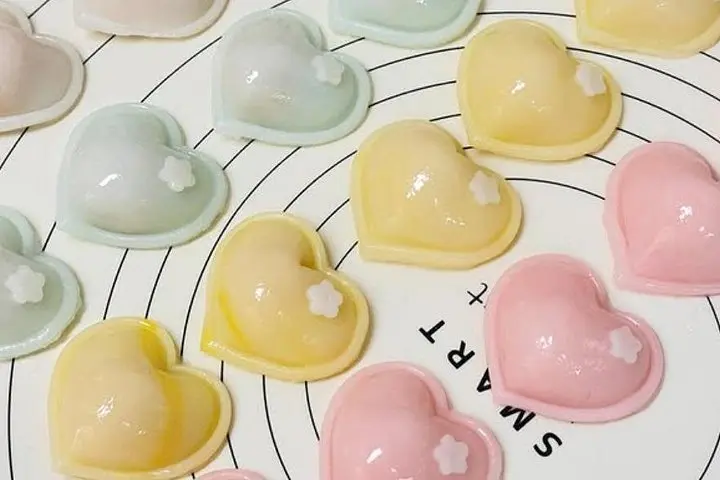
Steam fog lifts from a low metal tray as hands press plant-based dough into pastel molds. The room hums with quick laughter from kids and the low thrum of a city still moving toward the airport ten minutes away. In this compact workshop outside Gimpo Airport you’ll learn to touch, knead and steam baram‑tteok—Korea’s everyday rice cake—under the guidance of a certified tteok artisan.
Verified experiences and guided adventures in the surrounding area.
Operated by Local Contents Lab · Gimpo, Gyeonggi-do
Steam fog lifts from a low metal tray as hands press plant-based dough into pastel molds. The room hums with quick laughter from kids and the low thrum of a city still moving toward the airport ten minutes away. In this compact workshop outside Gimpo Airport you’ll learn to touch, knead and steam baram‑tteok—Korea’s everyday rice cake—under the guidance of a certified tteok artisan.
Tteok has long been woven into Korean rites of life: offered at ancestral ceremonies, shaped for weddings and brightened for seasonal festivals like Seollal and Chuseok. The class pairs that cultural context with practical technique—mixing powders, using molds, and timing the steamer—so you walk away with both edible souvenirs and a recipe PDF. The host emphasizes plant-based alternatives, reflecting growing vegan options in Korea while preserving traditional forms and flavors.
Expect a tidy, family-friendly studio set up for groups up to 10. You’ll finish in about two hours with six boxed pastel rice cakes and a printed photocard. Practical notes: the location is well served by public transit and makes a convenient layover activity for travelers using Gimpo Airport. The work is hands-on but not strenuous—kids can participate with supervision.
Bring a camera for the “rainbow zone,” wear clothes you don’t mind dusting with rice flour, and allow time for basic cleanup. If you have mobility or cardiovascular concerns, check the health advisories before booking. For food lovers, it’s a short, sensory way to learn why tteok remains central to Korean food culture.
Yes—this workshop is described as kids-friendly; children should be supervised during steaming and when handling utensils.
Yes, the instructor uses 100% plant-based powders and fillings; if you have strict dietary restrictions, confirm specifics before booking.
The workshop advertises being about ten minutes from Gimpo Airport—allow extra time for traffic and security if you’re on a tight connection.
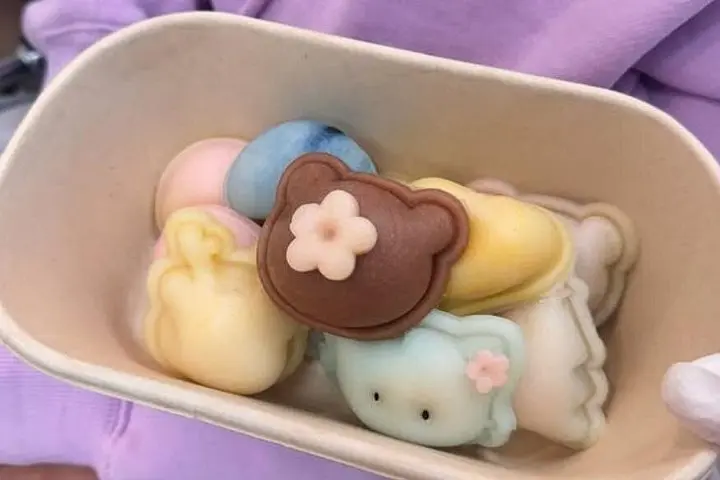
Participants receive a take-home box with six pastel baram‑tteok, a custom photocard and a PDF recipe to recreate the cakes at home.
Local Contents Lab operates guided outdoor trips and adventures with an emphasis on safety, stewardship, and memorable experiences.

Steam fog lifts from a low metal tray as hands press plant-based dough into pastel molds. The room hums with quick laughter from kids and the low thrum of a city still moving toward the airport ten minutes away. In this compact workshop outside Gimpo Airport you’ll learn to touch, knead and steam baram‑tteok—Korea’s everyday rice cake—under the guidance of a certified tteok artisan.
Steam fog lifts from a low metal tray as hands press plant-based dough into pastel molds. The room hums with quick laughter from kids and the low thrum of a city still moving toward the airport ten minutes away. In this compact workshop outside Gimpo Airport you’ll learn to touch, knead and steam baram‑tteok—Korea’s everyday rice cake—under the guidance of a certified tteok artisan.
Tteok has long been woven into Korean rites of life: offered at ancestral ceremonies, shaped for weddings and brightened for seasonal festivals like Seollal and Chuseok. The class pairs that cultural context with practical technique—mixing powders, using molds, and timing the steamer—so you walk away with both edible souvenirs and a recipe PDF. The host emphasizes plant-based alternatives, reflecting growing vegan options in Korea while preserving traditional forms and flavors.
Expect a tidy, family-friendly studio set up for groups up to 10. You’ll finish in about two hours with six boxed pastel rice cakes and a printed photocard. Practical notes: the location is well served by public transit and makes a convenient layover activity for travelers using Gimpo Airport. The work is hands-on but not strenuous—kids can participate with supervision.
Bring a camera for the “rainbow zone,” wear clothes you don’t mind dusting with rice flour, and allow time for basic cleanup. If you have mobility or cardiovascular concerns, check the health advisories before booking. For food lovers, it’s a short, sensory way to learn why tteok remains central to Korean food culture.