THE ADVENTURE COLLECTIVE® · Independent discovery and booking for outdoor travel

Stroll tidal flats, explore an old tonnara and watch flamingos at Vendicari on a private three-hour guided walk. This easy coastal loop combines birdwatching, salt-pan history and seaside views—ideal for half-day nature travelers.
Stroll tidal flats, explore an old tonnara and watch flamingos at Vendicari on a private three-hour guided walk. This easy coastal loop combines birdwatching, salt-pan history and seaside views—ideal for half-day nature travelers.
A dry wind moves the salt pans like an old hand turning pages. You meet at the reserve ticket office and walk onto low, scuffed trails where marsh water reflects the sky and pink flamingos lift and fold like living punctuation. The path takes you past the ruined Tonnara—the once-busy fish-processing complex—and up to Torre Sveva, a squat coastal watchtower that still watches the sea.
Verified experiences and guided adventures in the surrounding area.
Operated by Sicula Experience · Noto, Sicily
A dry wind moves the salt pans like an old hand turning pages. You meet at the reserve ticket office and walk onto low, scuffed trails where marsh water reflects the sky and pink flamingos lift and fold like living punctuation. The path takes you past the ruined Tonnara—the once-busy fish-processing complex—and up to Torre Sveva, a squat coastal watchtower that still watches the sea.
Geology here is blunt and straightforward: soft limestone terraces, coastal sands and saline flats carved by Mediterranean tides that concentrate salt and draw migratory birds. Vendicari’s human story is equally plain—ancient salt extraction and tuna fisheries shaped local economy and song; the site’s old tonnara and salt-worker houses are material notes in that history.
Culturally, guides tell fishing chants and point out the seasonal cycles that shaped village life from Noto to Pachino. Botanically, halophyte plants—salt-tolerant shrubs and succulents—hold the dunes in place and provide shelter for migratory passerines.
Practically: the loop is an easy three-hour walk over sandy, sometimes uneven ground; binoculars are provided but bring comfortable shoes, sun protection and a refillable bottle. Mornings and late afternoons offer the best light for birdwatching and quieter wildlife viewing; summer sun can be strong and some eco-museum areas close seasonally. Respect marked paths—salt pans and nesting zones are sensitive—and follow the guide’s route to avoid disturbing birds. The visit blends natural history, short coastal hikes, and close-up encounters with shorebirds, making it an accessible, immersive half-day in southeast Sicily.
The private excursion is about three hours and rated easy—mostly flat coastal paths with short uneven segments, suitable for most travelers.
Flamingos frequent Vendicari seasonally, especially during migration and winter months, but sightings depend on timing and water conditions—guides will point out likely spots.
Entrance to the reserve and binocular use are included in the excursion; check with the operator about eco-museum access (may be seasonally closed).
Some sections are manageable with a sturdy stroller on compacted paths, but sandy stretches and steps can be challenging—discuss mobility needs when booking.
Sicula Experience operates guided outdoor trips and adventures with an emphasis on safety, stewardship, and memorable experiences.

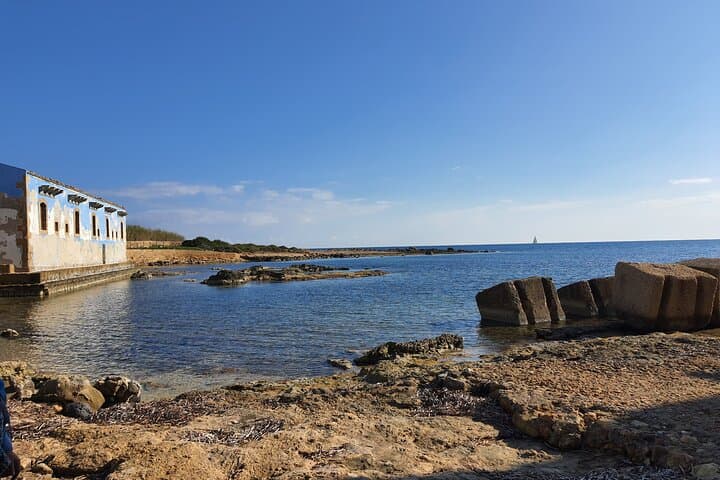


A dry wind moves the salt pans like an old hand turning pages. You meet at the reserve ticket office and walk onto low, scuffed trails where marsh water reflects the sky and pink flamingos lift and fold like living punctuation. The path takes you past the ruined Tonnara—the once-busy fish-processing complex—and up to Torre Sveva, a squat coastal watchtower that still watches the sea.
A dry wind moves the salt pans like an old hand turning pages. You meet at the reserve ticket office and walk onto low, scuffed trails where marsh water reflects the sky and pink flamingos lift and fold like living punctuation. The path takes you past the ruined Tonnara—the once-busy fish-processing complex—and up to Torre Sveva, a squat coastal watchtower that still watches the sea.
Geology here is blunt and straightforward: soft limestone terraces, coastal sands and saline flats carved by Mediterranean tides that concentrate salt and draw migratory birds. Vendicari’s human story is equally plain—ancient salt extraction and tuna fisheries shaped local economy and song; the site’s old tonnara and salt-worker houses are material notes in that history.
Culturally, guides tell fishing chants and point out the seasonal cycles that shaped village life from Noto to Pachino. Botanically, halophyte plants—salt-tolerant shrubs and succulents—hold the dunes in place and provide shelter for migratory passerines.
Practically: the loop is an easy three-hour walk over sandy, sometimes uneven ground; binoculars are provided but bring comfortable shoes, sun protection and a refillable bottle. Mornings and late afternoons offer the best light for birdwatching and quieter wildlife viewing; summer sun can be strong and some eco-museum areas close seasonally. Respect marked paths—salt pans and nesting zones are sensitive—and follow the guide’s route to avoid disturbing birds. The visit blends natural history, short coastal hikes, and close-up encounters with shorebirds, making it an accessible, immersive half-day in southeast Sicily.