THE ADVENTURE COLLECTIVE® · Independent discovery and booking for outdoor travel

Walk the sandy trails of Vendicari Reserve from Syracuse and watch flamingos, egrets and the Aragonese tower rise above salt pans. This private, guided four‑hour tour pairs easy coastal walking with natural and cultural history.
Walk the sandy trails of Vendicari Reserve from Syracuse and watch flamingos, egrets and the Aragonese tower rise above salt pans. This private, guided four‑hour tour pairs easy coastal walking with natural and cultural history.
You step off the van and the air changes: salt, scrub, and the distant racket of gulls. A low dune line pulls you toward a crescent beach; shallow ponds glitter between patches of tamarisk. The path is soft sand and compacted track, more conversation than climbing, and the coastline keeps pace — one view after another of pale cliffs and sheltered coves.
Verified experiences and guided adventures in the surrounding area.
Operated by EtnaTribe · Noto, Sicily
You step off the van and the air changes: salt, scrub, and the distant racket of gulls. A low dune line pulls you toward a crescent beach; shallow ponds glitter between patches of tamarisk. The path is soft sand and compacted track, more conversation than climbing, and the coastline keeps pace — one view after another of pale cliffs and sheltered coves.
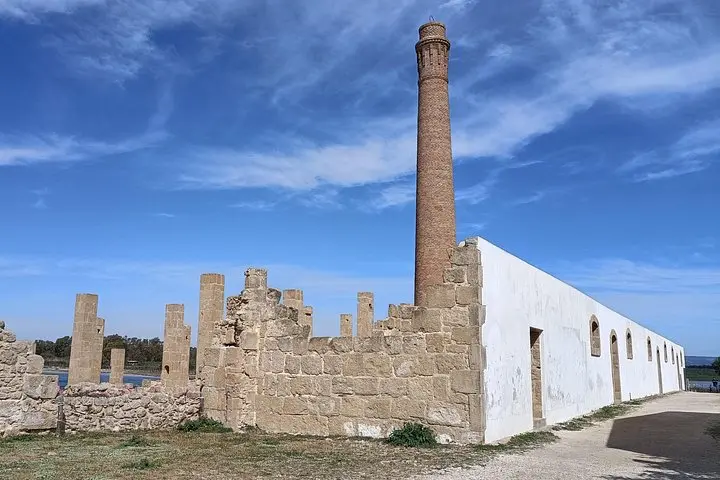
Vendicari is both shoreline and archive: a mosaic of salt pans, freshwater pools and the stone remains of the old tonnara where tuna were processed. The Aragonese tower, a weathered 16th‑century watchpoint, still watches the sea it once guarded from corsairs. Geologically, the reserve sits on Pleistocene coastal terraces—low cliffs and dunes shaped by wind and waves—creating varied habitats for migrants and wintering birds.
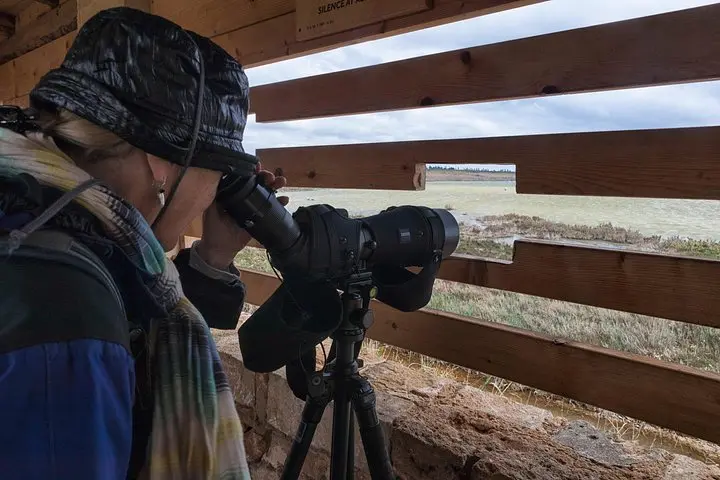
Expect a gentle, interpretive walk focused on birdlife and coastal history. Guides point out flamingos rifling shallow flats, herons poised like slow machines, and the fragile dune flora that holds the shore in place. Bring binoculars; mid‑morning light reveals the salt pans’ reflections and late afternoon sends migrating flocks into motion.
Practical edge: trails are flat but sandy — wear sturdy walking shoes, sun protection and carry 1–2 L of water. The reserve enforces path discipline to protect nesting birds; keep dogs on leash (service animals excepted) and follow your guide. Best windows for birdwatching are early morning and late afternoon; summers are hot and exposed, while spring and fall offer the richest migrations. Tours leaving Syracuse average four hours round‑trip, combining transport, guided walks and short stops at the tonnara ruins.
The guided portion in the reserve is about 2–3 hours across flat, sandy paths with short pauses at viewpoints and ruins.
Access to the reserve is free, but some managed parking or nearby facilities may charge; the tour covers guide and transport from Syracuse where indicated.
Yes—paths are easy and mostly flat, but sandy terrain can be tiring; inform the operator of mobility concerns when booking.
Some coves permit swimming (Calamosche is the reserve’s popular bay), but currents vary and access is sometimes restricted to protect nesting areas—check with your guide.
EtnaTribe operates guided outdoor trips and adventures with an emphasis on safety, stewardship, and memorable experiences.
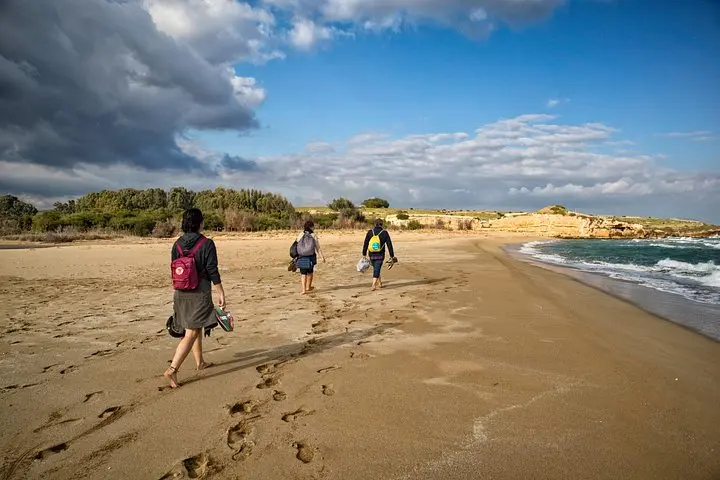
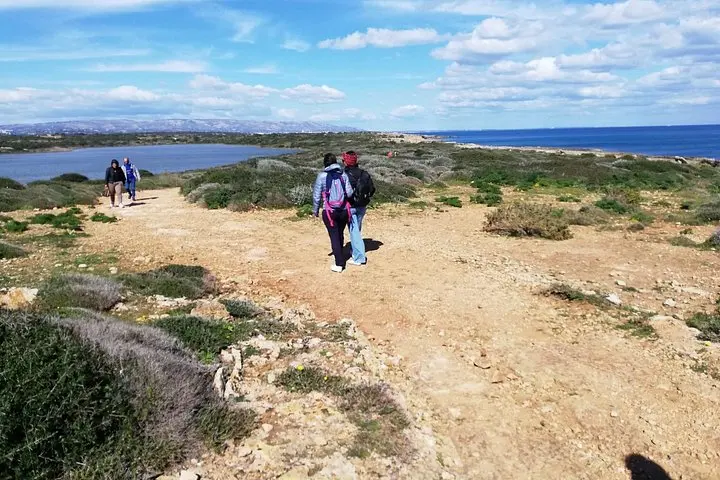
You step off the van and the air changes: salt, scrub, and the distant racket of gulls. A low dune line pulls you toward a crescent beach; shallow ponds glitter between patches of tamarisk. The path is soft sand and compacted track, more conversation than climbing, and the coastline keeps pace — one view after another of pale cliffs and sheltered coves.
You step off the van and the air changes: salt, scrub, and the distant racket of gulls. A low dune line pulls you toward a crescent beach; shallow ponds glitter between patches of tamarisk. The path is soft sand and compacted track, more conversation than climbing, and the coastline keeps pace — one view after another of pale cliffs and sheltered coves.
Vendicari is both shoreline and archive: a mosaic of salt pans, freshwater pools and the stone remains of the old tonnara where tuna were processed. The Aragonese tower, a weathered 16th‑century watchpoint, still watches the sea it once guarded from corsairs. Geologically, the reserve sits on Pleistocene coastal terraces—low cliffs and dunes shaped by wind and waves—creating varied habitats for migrants and wintering birds.
Expect a gentle, interpretive walk focused on birdlife and coastal history. Guides point out flamingos rifling shallow flats, herons poised like slow machines, and the fragile dune flora that holds the shore in place. Bring binoculars; mid‑morning light reveals the salt pans’ reflections and late afternoon sends migrating flocks into motion.
Practical edge: trails are flat but sandy — wear sturdy walking shoes, sun protection and carry 1–2 L of water. The reserve enforces path discipline to protect nesting birds; keep dogs on leash (service animals excepted) and follow your guide. Best windows for birdwatching are early morning and late afternoon; summers are hot and exposed, while spring and fall offer the richest migrations. Tours leaving Syracuse average four hours round‑trip, combining transport, guided walks and short stops at the tonnara ruins.