THE ADVENTURE COLLECTIVE® · Independent discovery and booking for outdoor travel

Explore Venice’s hidden social history on a 3‑hour private walking tour that traces the lives of Renaissance courtesans—fashion leaders, intellectuals and controversial public figures. Expect canalside alleys, historic bridges and frank stories that illuminate how sex, status and art intertwined in the Serenissima.
Explore Venice’s hidden social history on a 3‑hour private walking tour that traces the lives of Renaissance courtesans—fashion leaders, intellectuals and controversial public figures. Expect canalside alleys, historic bridges and frank stories that illuminate how sex, status and art intertwined in the Serenissima.
You step off a vaporetto into a narrow calle where water breathes against ancient stone and the sound of conversation ricochets over a canal. The guide pauses beneath a small bridge and, with the city pressing close, unspools stories of women whose lives shaped Venetian salons and scandals alike.
Verified experiences and guided adventures in the surrounding area.
Operated by Friend in Venice Private Tours · Venice, Veneto
You step off a vaporetto into a narrow calle where water breathes against ancient stone and the sound of conversation ricochets over a canal. The guide pauses beneath a small bridge and, with the city pressing close, unspools stories of women whose lives shaped Venetian salons and scandals alike.
From the Rialto’s market traffic to the hushed reading rooms of Renaissance libraries, Venice in the 15th–16th centuries was an international crossroads. Courtesans—ranging from the rougher cortigiane di lume to the educated cortigiane oneste—operated openly in this commercial city. Their status threaded into politics, fashion, and the arts: patrons, poets, and painters used their wit and image as much as their company.
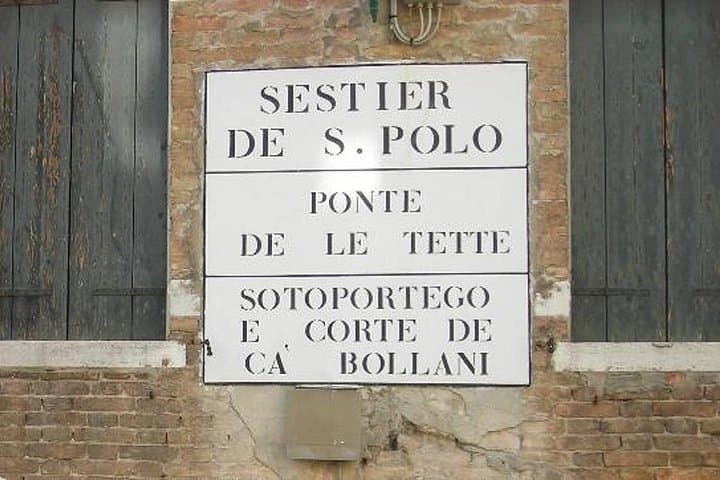
Geology and urban form matter here: tiny islands, shallow lagoons and reclaimed marshes concentrated people and commerce into tight streets and canals, which in turn shaped social life and regulation. The tour follows traces of that regulation—former docks, bridges with blunt names, and alleys where brothels once faced public view—and points out how fashion, cosmetics and even cosmetics recipes traveled along trade routes.
Practical guidance is straightforward: expect 3+ hours of mostly flat walking with many short flights of steps over bridges; wear comfortable shoes and bring water. Respect private homes and churches when stopping; photography can be sensitive in some spots. Ask about accessibility and book ahead for private tours to match language and mobility needs. Come prepared to listen: the city’s stones don’t shout, but the stories they hold are intimate, often subversive, and utterly human.
Many central streets have ramps and the operator lists wheelchair accessibility; notify booking about mobility needs to confirm a fully accessible route.
This is a private tour—confirm language availability when booking; guides commonly speak English and Italian and may offer other languages by request.
Older children and teens generally enjoy the historical stories, but some subject matter is adult; check age-appropriate content with the guide before booking.
Meeting points are usually near a central vaporetto stop or piazza—confirm the precise pickup point and whether private transfers are available.
Friend in Venice Private Tours operates guided outdoor trips and adventures with an emphasis on safety, stewardship, and memorable experiences.
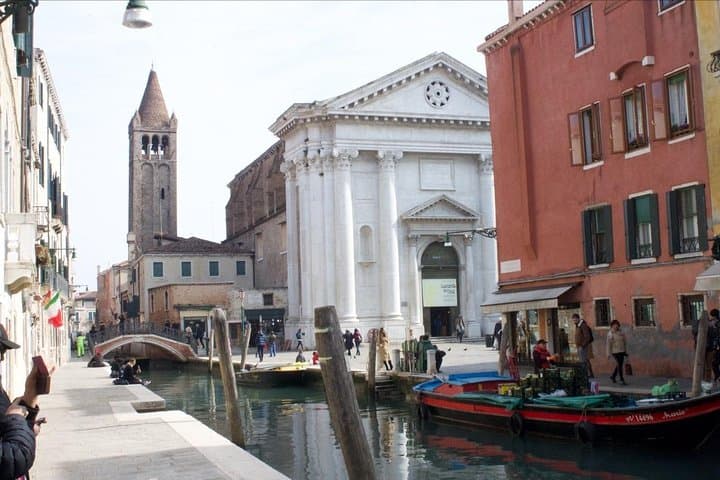


You step off a vaporetto into a narrow calle where water breathes against ancient stone and the sound of conversation ricochets over a canal. The guide pauses beneath a small bridge and, with the city pressing close, unspools stories of women whose lives shaped Venetian salons and scandals alike.
You step off a vaporetto into a narrow calle where water breathes against ancient stone and the sound of conversation ricochets over a canal. The guide pauses beneath a small bridge and, with the city pressing close, unspools stories of women whose lives shaped Venetian salons and scandals alike.
From the Rialto’s market traffic to the hushed reading rooms of Renaissance libraries, Venice in the 15th–16th centuries was an international crossroads. Courtesans—ranging from the rougher cortigiane di lume to the educated cortigiane oneste—operated openly in this commercial city. Their status threaded into politics, fashion, and the arts: patrons, poets, and painters used their wit and image as much as their company.
Geology and urban form matter here: tiny islands, shallow lagoons and reclaimed marshes concentrated people and commerce into tight streets and canals, which in turn shaped social life and regulation. The tour follows traces of that regulation—former docks, bridges with blunt names, and alleys where brothels once faced public view—and points out how fashion, cosmetics and even cosmetics recipes traveled along trade routes.
Practical guidance is straightforward: expect 3+ hours of mostly flat walking with many short flights of steps over bridges; wear comfortable shoes and bring water. Respect private homes and churches when stopping; photography can be sensitive in some spots. Ask about accessibility and book ahead for private tours to match language and mobility needs. Come prepared to listen: the city’s stones don’t shout, but the stories they hold are intimate, often subversive, and utterly human.