THE ADVENTURE COLLECTIVE® · Independent discovery and booking for outdoor travel

A kid-focused, two-hour walk from Rialto to Piazza San Marco that turns Venice’s canals and squares into a hands-on lesson. Expect games, stories, and short stops tailored to keep children engaged while covering the city’s must-see highlights.
A kid-focused, two-hour walk from Rialto to Piazza San Marco that turns Venice’s canals and squares into a hands-on lesson. Expect games, stories, and short stops tailored to keep children engaged while covering the city’s must-see highlights.
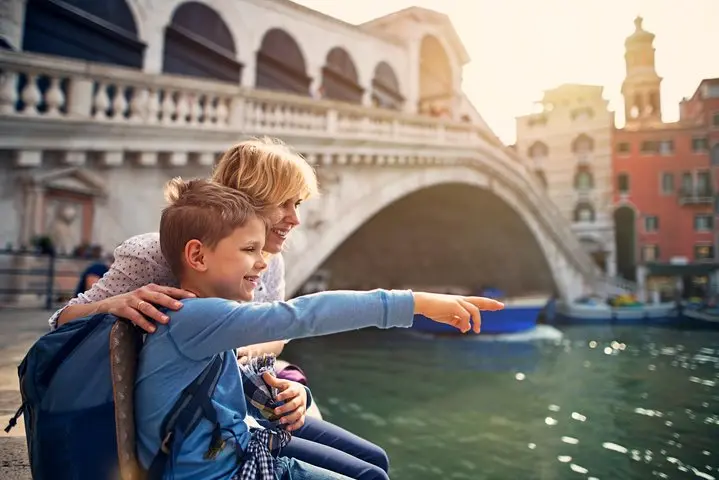
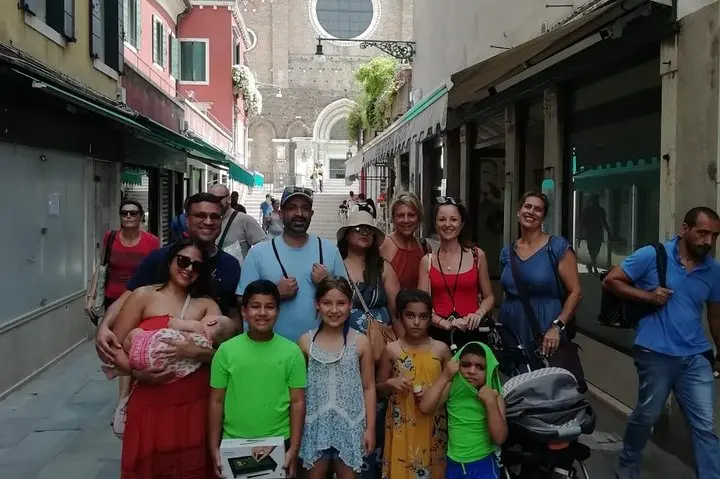
The tour begins with the ripple of the Grand Canal beneath the Rialto Bridge, where a guide holding a small sign gathers a group of restless children and equally eager adults. Voices fall into an easy rhythm as the guide turns history into a game: a treasure hunt through alleys that smell of espresso and fresh fish, a scavenger clue tucked beneath a carved stone ledge, and a map that points toward a bell tower’s shadow.
Verified experiences and guided adventures in the surrounding area.
Operated by Mamma Mia! Tours · Venice, Veneto
The tour begins with the ripple of the Grand Canal beneath the Rialto Bridge, where a guide holding a small sign gathers a group of restless children and equally eager adults. Voices fall into an easy rhythm as the guide turns history into a game: a treasure hunt through alleys that smell of espresso and fresh fish, a scavenger clue tucked beneath a carved stone ledge, and a map that points toward a bell tower’s shadow.
Venice is an open-air classroom, built on mud and memory. The city’s foundations—wood piles driven into the lagoon in the Middle Ages—support marble palaces whose façades read like chapters in a civic saga: merchant fortunes, Byzantine mosaics, Gothic arches. The Rialto market still hums with commerce, the same function it served when Venice was Europe’s trading hub between East and West. Along the way, the tour pauses at Campo San Bartolomeo and the little plaque marking Marco Polo’s house, each stop offering a compact story tailored to a child’s curiosity.
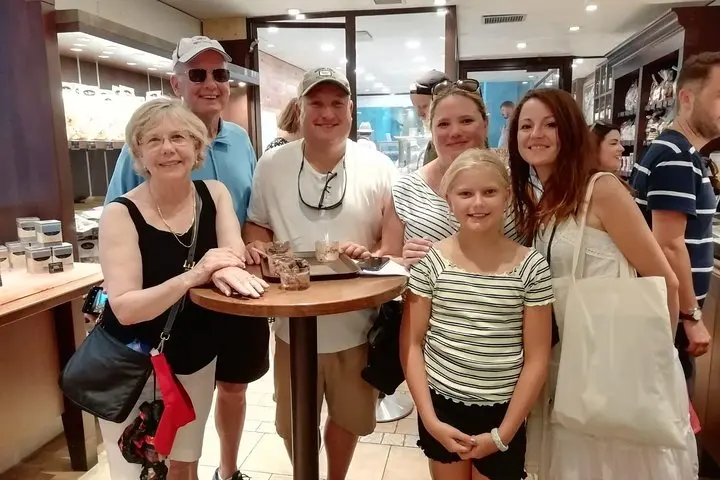
Geology here is subtle but decisive: the lagoon’s tides sculpt alleys and amplify footsteps. Canals, impatient and ever-moving, frame the city’s motion—gondolas and vaporetti glide where streets would be on solid ground. Culture is felt in small rituals: baristas who pour a perfect macchiato in seconds, shopkeepers who still greet regulars by name, and the clockwork of daily life that continues beneath the crush of visitors.
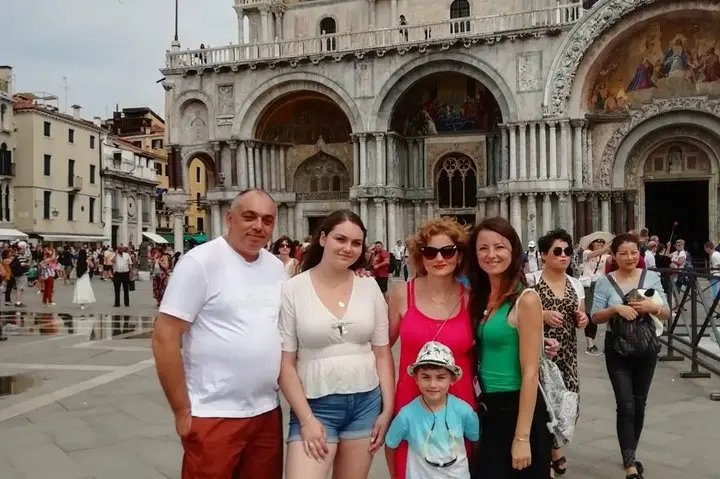
Practicality guides the second half of the experience. The 2-hour itinerary covers roughly 1.5–2 kilometers of mostly flat, often uneven stone—a few narrow bridges and steps that require a steady stroller or a good grip on little hands. Expect frequent stops: accessible stories, kid-friendly games, and time in Piazza San Marco to look up at St. Mark’s Basilica and the campanile without racing the crowd. The guide is licensed and adapts pacing to the group; parents should bring a light daypack with water, snacks, and a compact rain layer. Restroom access is limited in some alleys, so plan for a café pause.
Timing matters: mornings are cooler and less crowded, late afternoon light makes mosaics glow. Families traveling from outside the historic center should note a possible city access fee on certain dates; check ahead. This tour balances sightseeing with play, designing a route that teaches, entertains, and leaves families with concrete ways to see Venice—through a child’s eyes and a local’s stories.
Meet at the middle of the Rialto Bridge where the guide will hold a sign with your name—arrive 10 minutes early to avoid confusion.
Yes—most of the route is stroller-accessible, but narrow bridge ramps and a few steps mean a compact stroller or carrier is recommended.
No—this walking tour concentrates on exteriors and stories; admissions to St. Mark’s Basilica or the Doge’s Palace are not included.
The tour listing specifies the language; private tours may offer additional language options—confirm at booking.
Public restrooms are limited; the guide will include a café stop if requested, so bring small change for purchases.
On certain dates, day visitors staying outside Venice may be required to pay a small access fee—check the city’s official guidance before your visit.
Mamma Mia! Tours operates guided outdoor trips and adventures with an emphasis on safety, stewardship, and memorable experiences.
The tour begins with the ripple of the Grand Canal beneath the Rialto Bridge, where a guide holding a small sign gathers a group of restless children and equally eager adults. Voices fall into an easy rhythm as the guide turns history into a game: a treasure hunt through alleys that smell of espresso and fresh fish, a scavenger clue tucked beneath a carved stone ledge, and a map that points toward a bell tower’s shadow.
The tour begins with the ripple of the Grand Canal beneath the Rialto Bridge, where a guide holding a small sign gathers a group of restless children and equally eager adults. Voices fall into an easy rhythm as the guide turns history into a game: a treasure hunt through alleys that smell of espresso and fresh fish, a scavenger clue tucked beneath a carved stone ledge, and a map that points toward a bell tower’s shadow.
Venice is an open-air classroom, built on mud and memory. The city’s foundations—wood piles driven into the lagoon in the Middle Ages—support marble palaces whose façades read like chapters in a civic saga: merchant fortunes, Byzantine mosaics, Gothic arches. The Rialto market still hums with commerce, the same function it served when Venice was Europe’s trading hub between East and West. Along the way, the tour pauses at Campo San Bartolomeo and the little plaque marking Marco Polo’s house, each stop offering a compact story tailored to a child’s curiosity.
Geology here is subtle but decisive: the lagoon’s tides sculpt alleys and amplify footsteps. Canals, impatient and ever-moving, frame the city’s motion—gondolas and vaporetti glide where streets would be on solid ground. Culture is felt in small rituals: baristas who pour a perfect macchiato in seconds, shopkeepers who still greet regulars by name, and the clockwork of daily life that continues beneath the crush of visitors.
Practicality guides the second half of the experience. The 2-hour itinerary covers roughly 1.5–2 kilometers of mostly flat, often uneven stone—a few narrow bridges and steps that require a steady stroller or a good grip on little hands. Expect frequent stops: accessible stories, kid-friendly games, and time in Piazza San Marco to look up at St. Mark’s Basilica and the campanile without racing the crowd. The guide is licensed and adapts pacing to the group; parents should bring a light daypack with water, snacks, and a compact rain layer. Restroom access is limited in some alleys, so plan for a café pause.
Timing matters: mornings are cooler and less crowded, late afternoon light makes mosaics glow. Families traveling from outside the historic center should note a possible city access fee on certain dates; check ahead. This tour balances sightseeing with play, designing a route that teaches, entertains, and leaves families with concrete ways to see Venice—through a child’s eyes and a local’s stories.