THE ADVENTURE COLLECTIVE® · Independent discovery and booking for outdoor travel

Walk the Rialto market and Grand Canal like a Venetian—tasting local cheeses, polenta with marinated seafood, cuttlefish, and tiramisù while a local guide explains centuries of trade and culinary craft. This four-hour tasting tour pairs food with regional wines and insider tips on where locals shop.
Walk the Rialto market and Grand Canal like a Venetian—tasting local cheeses, polenta with marinated seafood, cuttlefish, and tiramisù while a local guide explains centuries of trade and culinary craft. This four-hour tasting tour pairs food with regional wines and insider tips on where locals shop.
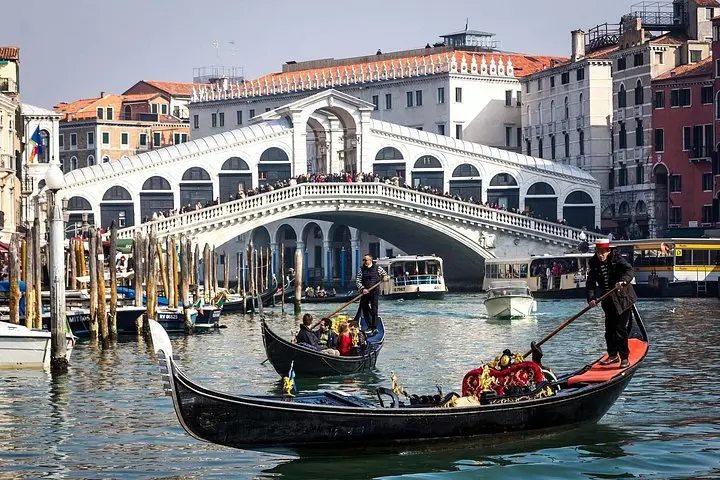
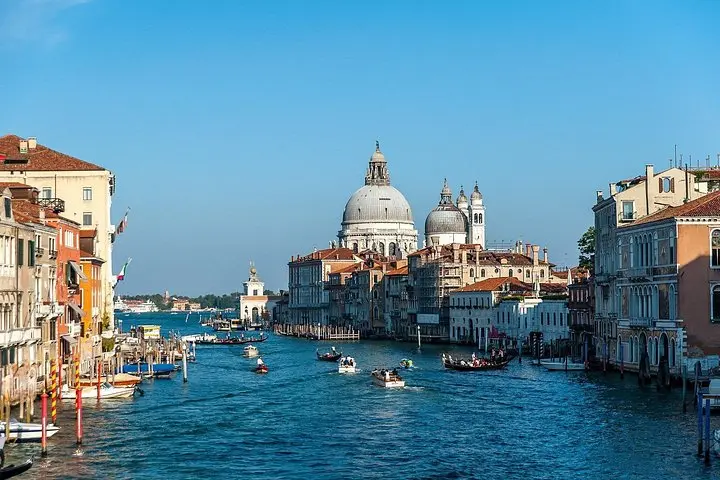
You meet in the square outside Chiesa di San Giacomo di Rialto as the city wakes: morning light slants across the Grand Canal and vaporetto wakes ripple toward the market. The guide unfurls a route that threads narrow calli, opens onto tiny campos, and drops you at wooden counters where silvered fish glint like coins. This is not a chapter from a travel brochure; it’s an urban tasting walk shaped by markets and centuries of trade.
Verified experiences and guided adventures in the surrounding area.
Operated by Bea Tours · Venice, Veneto
You meet in the square outside Chiesa di San Giacomo di Rialto as the city wakes: morning light slants across the Grand Canal and vaporetto wakes ripple toward the market. The guide unfurls a route that threads narrow calli, opens onto tiny campos, and drops you at wooden counters where silvered fish glint like coins. This is not a chapter from a travel brochure; it’s an urban tasting walk shaped by markets and centuries of trade.
The Rialto market has fed Venice since the 11th century, when merchants from the lagoon and the mainland shaped a food economy that defined the city. Today, stalls still sell produce from Veneto’s farms, and boatloads once carried salt, spices and stockfish that made Venice a Mediterranean trading powerhouse. Along the way the guide points out Marco Polo’s house, Campo San Bartolomeo and the Rialto Bridge, folding history into every bite.
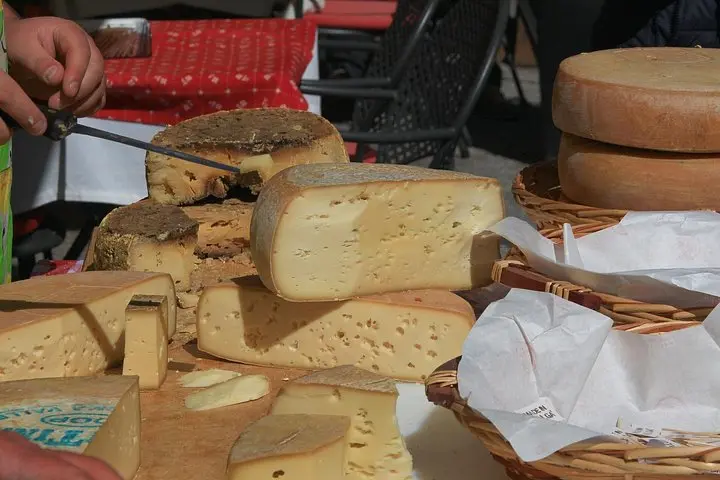
The geology beneath your feet — reclaimed mud and timber piles — explains Venice’s low, water-sky profile; streets rise only where bridges arch and where centuries of commerce have compressed alleys into pockets of daily life. The tour’s culinary arc reflects that geography: creamy Asiago cheese from the foothills, polenta turned into a hand-sized snack topped with marinated seafood, cuttlefish ink that marks Venetian cuisine, and the birthplace-claim for tiramisù to finish.
Culturally, the market is a living room. Locals shop in the morning, haggle lightly, and chat about tides and produce. The guide translates not just language but practice — when to buy, what to taste, and which wines will hold up against briny seafood. Portions are tasting-sized; the pace is conversational and deliberate, intended to show Venice as residents experience it, not as a postcard.
Practical matters matter: the walk covers roughly two to three kilometers on uneven stone and occasional stepped bridges, with four hours set aside to taste, linger and learn. Expect crowds at the Rialto and limited seating at some stops; children and slower walkers should plan accordingly. The market is closed Sundays, Mondays and public holidays, so scheduling matters.
By the end you’ll have tasted local wines paired to sea-salty snacks, understood why Venice grew around its market, and learned how to read a campo like a map. This is a tour for people who want flavor and context — to eat where Venetians shop, and to leave with practical tips for returning to the stalls on their own.
Yes—vegetarian options are available if advised at booking; notify the operator in the special requirements field.
Some restrictions can be accommodated if advised in advance, but the tour cannot support strict gluten-free, dairy-free or fully vegan diets.
Meet outside Chiesa di San Giacomo di Rialto, Campo San Giacomo, 1; the guide waits near the church entrance at 10:45.
No—this is a walking tour; public transport (vaporetto) is nearby but not included.
Several food tastings and drinks are included, covering a range of local specialties paired with regional wines.
The tour operates rain or shine; bring a rain jacket. Some stops are covered, while others remain outdoors.
Bea Tours operates guided outdoor trips and adventures with an emphasis on safety, stewardship, and memorable experiences.
You meet in the square outside Chiesa di San Giacomo di Rialto as the city wakes: morning light slants across the Grand Canal and vaporetto wakes ripple toward the market. The guide unfurls a route that threads narrow calli, opens onto tiny campos, and drops you at wooden counters where silvered fish glint like coins. This is not a chapter from a travel brochure; it’s an urban tasting walk shaped by markets and centuries of trade.
You meet in the square outside Chiesa di San Giacomo di Rialto as the city wakes: morning light slants across the Grand Canal and vaporetto wakes ripple toward the market. The guide unfurls a route that threads narrow calli, opens onto tiny campos, and drops you at wooden counters where silvered fish glint like coins. This is not a chapter from a travel brochure; it’s an urban tasting walk shaped by markets and centuries of trade.
The Rialto market has fed Venice since the 11th century, when merchants from the lagoon and the mainland shaped a food economy that defined the city. Today, stalls still sell produce from Veneto’s farms, and boatloads once carried salt, spices and stockfish that made Venice a Mediterranean trading powerhouse. Along the way the guide points out Marco Polo’s house, Campo San Bartolomeo and the Rialto Bridge, folding history into every bite.
The geology beneath your feet — reclaimed mud and timber piles — explains Venice’s low, water-sky profile; streets rise only where bridges arch and where centuries of commerce have compressed alleys into pockets of daily life. The tour’s culinary arc reflects that geography: creamy Asiago cheese from the foothills, polenta turned into a hand-sized snack topped with marinated seafood, cuttlefish ink that marks Venetian cuisine, and the birthplace-claim for tiramisù to finish.
Culturally, the market is a living room. Locals shop in the morning, haggle lightly, and chat about tides and produce. The guide translates not just language but practice — when to buy, what to taste, and which wines will hold up against briny seafood. Portions are tasting-sized; the pace is conversational and deliberate, intended to show Venice as residents experience it, not as a postcard.
Practical matters matter: the walk covers roughly two to three kilometers on uneven stone and occasional stepped bridges, with four hours set aside to taste, linger and learn. Expect crowds at the Rialto and limited seating at some stops; children and slower walkers should plan accordingly. The market is closed Sundays, Mondays and public holidays, so scheduling matters.
By the end you’ll have tasted local wines paired to sea-salty snacks, understood why Venice grew around its market, and learned how to read a campo like a map. This is a tour for people who want flavor and context — to eat where Venetians shop, and to leave with practical tips for returning to the stalls on their own.