THE ADVENTURE COLLECTIVE® · Independent discovery and booking for outdoor travel

Taste Venice’s Rialto district with a local guide on a two-hour walking tour that weaves pastries, cicchetti and market life into the city’s living history. Expect lively markets, hidden bakeries and hands-on stories that explain how Venetians eat and meet.
Taste Venice’s Rialto district with a local guide on a two-hour walking tour that weaves pastries, cicchetti and market life into the city’s living history. Expect lively markets, hidden bakeries and hands-on stories that explain how Venetians eat and meet.
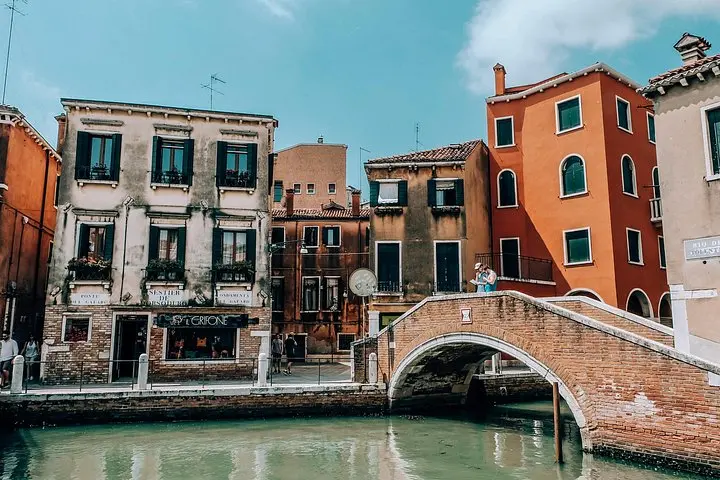
You step out of Campo San Polo as sunlight slices between narrow houses; the air carries the briny lift of the lagoon and the scent of fresh pastry. The guide threads you through alleys where echoes of daily life—ferries’ creak, vendors’ calls—set the pace. This two-hour walk ends at the Rialto Market, where fish, fruit and voices crowd a place that still moves like a living machine.
Verified experiences and guided adventures in the surrounding area.
Operated by That's All Local · Venice, Veneto
You step out of Campo San Polo as sunlight slices between narrow houses; the air carries the briny lift of the lagoon and the scent of fresh pastry. The guide threads you through alleys where echoes of daily life—ferries’ creak, vendors’ calls—set the pace. This two-hour walk ends at the Rialto Market, where fish, fruit and voices crowd a place that still moves like a living machine.
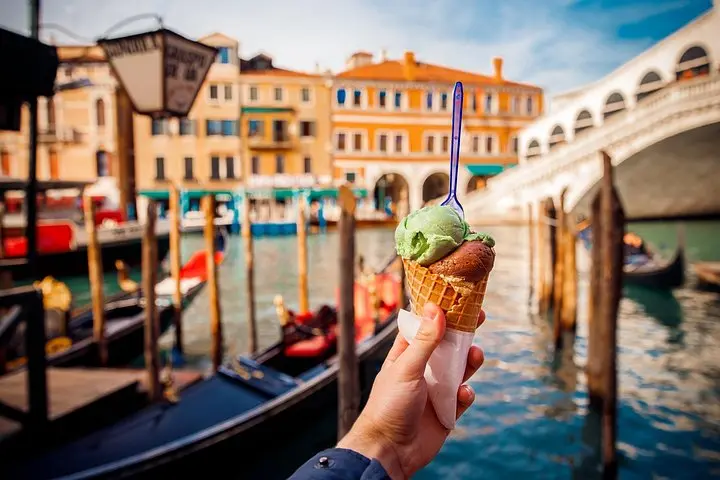
Venice’s history is visible in the market stalls and stone bridges: Rialto was the city’s commercial heart from medieval times, the pivot for trade routes that linked the lagoon to the Mediterranean. Geology here is unusual — a city built on driven piles atop sediment in a tidal lagoon — so the city’s layout and rhythms are shaped by tides and boat traffic as much as by streets.
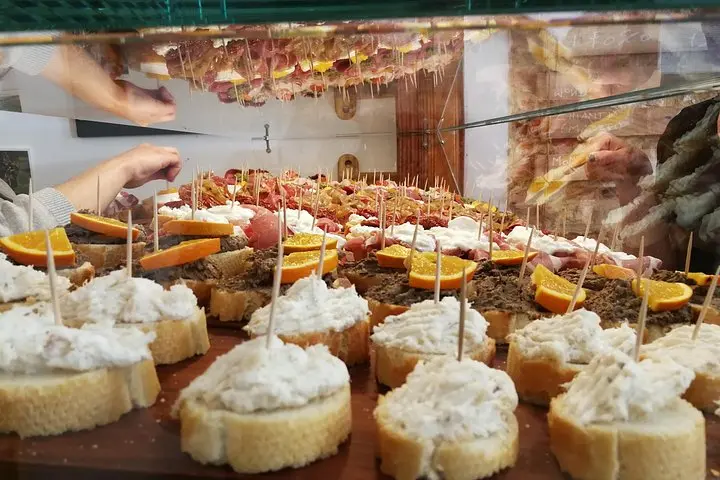
Culturally, the tour mixes foodways and folklore: try a sfogliatina at a bakery, learn why cicchetti punctuate social life, and hear local legends tied to specific campos and canals. The guide points out traditional crafts — glass, slippers, seaweed-dressmakers — and the market’s role in everyday Venetian life.
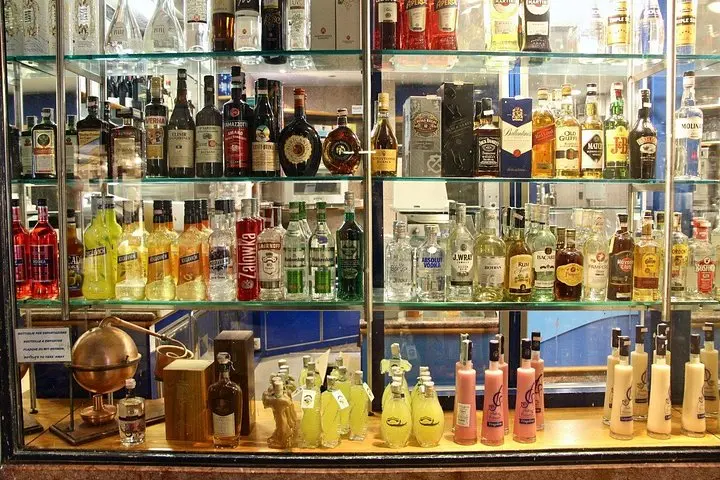
Practical guidance: wear comfortable, grippy shoes for uneven stone and occasional damp patches; bring a small daypack for purchases; hydrate before you stroll (shops are frequent but narrow); and schedule the walk in the morning to see the market at peak activity. If you drink alcohol, keep ID handy for the aperitivo. Move deliberately through crowds, watch for boat traffic at canals, and carry a lightweight rain layer in shoulder seasons.
The tour is approximately two hours with steady walking through narrow alleys and market areas; expect multiple short stops for tastings and stories.
The tour includes specific pastries and an aperitivo; notify the operator in advance about allergies or dietary needs so alternatives can be arranged.
Meet at Campo San Polo and finish at the Rialto Market area and a local cicchetteria near the bridge for the final tasting.
Yes—physically easy and suitable for families, though infants are asked to sit on laps during the tasting portion.
That's All Local operates guided outdoor trips and adventures with an emphasis on safety, stewardship, and memorable experiences.
You step out of Campo San Polo as sunlight slices between narrow houses; the air carries the briny lift of the lagoon and the scent of fresh pastry. The guide threads you through alleys where echoes of daily life—ferries’ creak, vendors’ calls—set the pace. This two-hour walk ends at the Rialto Market, where fish, fruit and voices crowd a place that still moves like a living machine.
You step out of Campo San Polo as sunlight slices between narrow houses; the air carries the briny lift of the lagoon and the scent of fresh pastry. The guide threads you through alleys where echoes of daily life—ferries’ creak, vendors’ calls—set the pace. This two-hour walk ends at the Rialto Market, where fish, fruit and voices crowd a place that still moves like a living machine.
Venice’s history is visible in the market stalls and stone bridges: Rialto was the city’s commercial heart from medieval times, the pivot for trade routes that linked the lagoon to the Mediterranean. Geology here is unusual — a city built on driven piles atop sediment in a tidal lagoon — so the city’s layout and rhythms are shaped by tides and boat traffic as much as by streets.
Culturally, the tour mixes foodways and folklore: try a sfogliatina at a bakery, learn why cicchetti punctuate social life, and hear local legends tied to specific campos and canals. The guide points out traditional crafts — glass, slippers, seaweed-dressmakers — and the market’s role in everyday Venetian life.
Practical guidance: wear comfortable, grippy shoes for uneven stone and occasional damp patches; bring a small daypack for purchases; hydrate before you stroll (shops are frequent but narrow); and schedule the walk in the morning to see the market at peak activity. If you drink alcohol, keep ID handy for the aperitivo. Move deliberately through crowds, watch for boat traffic at canals, and carry a lightweight rain layer in shoulder seasons.