THE ADVENTURE COLLECTIVE® · Independent discovery and booking for outdoor travel

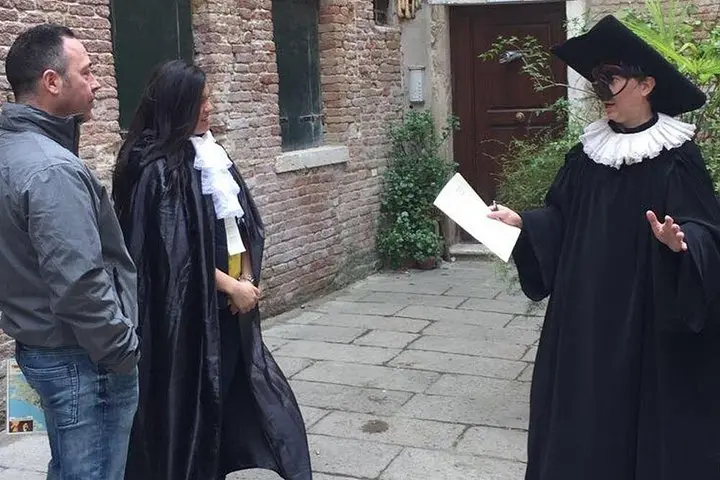
Turn Venice into a 120-minute outdoor escape room: follow clues through alleys, decode symbols tied to Templars or the plague era, and discover off-beat corners of the lagoon city. This walking game blends local history with hands-on puzzles suitable for most fitness levels.
Turn Venice into a 120-minute outdoor escape room: follow clues through alleys, decode symbols tied to Templars or the plague era, and discover off-beat corners of the lagoon city. This walking game blends local history with hands-on puzzles suitable for most fitness levels.
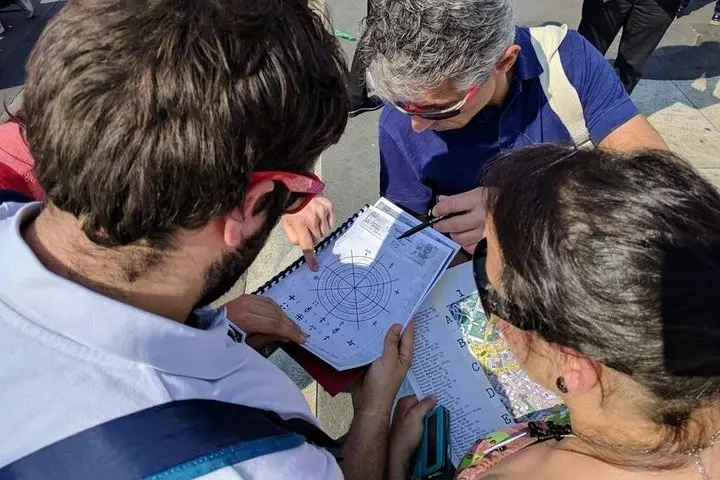
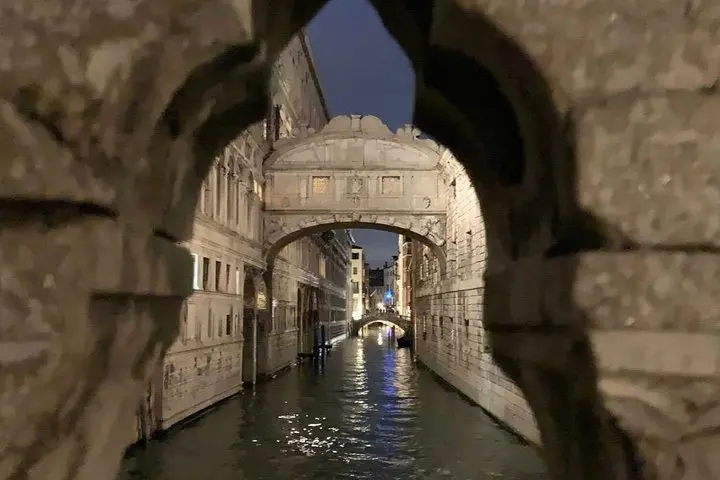
A narrow canal flashes like a ribbon of silver as a team consults a map, ducks under a low bridge, and follows a string of cryptic symbols painted on old stone. The canals dare you to look beyond the tourist façades; the calli push you toward hidden courtyards and inscriptions that survive only in shadow. For two hours participants become city explorers, decoding clues and racing time through a living museum.
Verified experiences and guided adventures in the surrounding area.
Operated by Vittorio · Venice, Veneto
A narrow canal flashes like a ribbon of silver as a team consults a map, ducks under a low bridge, and follows a string of cryptic symbols painted on old stone. The canals dare you to look beyond the tourist façades; the calli push you toward hidden courtyards and inscriptions that survive only in shadow. For two hours participants become city explorers, decoding clues and racing time through a living museum.
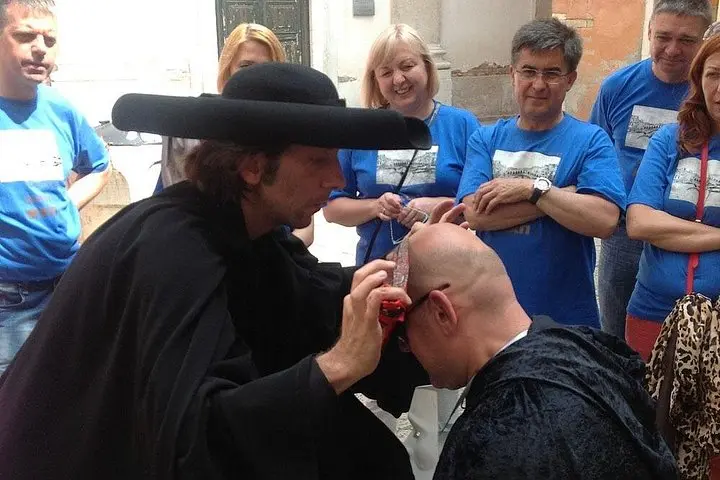
Venice grew from mud and marsh—buildings sit on wooden piles driven into the lagoon’s silt—so every square and staircase carries centuries of trade, plague, and politics. The two game themes, Templar Treasure and Escape from the Plague, lean on real threads of Venetian history: medieval confraternities, cryptic signage, and the public health realities of the 17th–18th centuries. Cultural details surface in small things—gondola yards, corner bakeries, and carved stone dates—offering context that feels immediate when a riddle points you there.
Practically, this is an urban walking challenge: expect uneven stone, short flights of stairs, and crowded plazas. The route uses public streets and squares, so wear grippy shoes and keep a charged phone for maps and the game app. Start earlier in the morning or later in the afternoon to avoid peak crowds and midday heat. Groups work best with clear roles—observer, note-taker, navigator—and the provided map and game material guide teams through clues. Public transport is minutes away at vaporetto stops; allow extra time for acqua alta (high tide) notifications. This is a social, low-impact way to see corners of Venice that often slip off regular itineraries.
Exact meeting details are provided after booking; locations are usually central and accessible by vaporetto, with a clear finish point near a major square.
Yes—puzzles are family-friendly but expect two hours of walking and some stairs; younger children may need a break or stroller-free route adjustments.
Not fully—Venice’s bridges and uneven surfaces mean parts of the route include steps; contact the operator to arrange an adapted itinerary if needed.
The experience runs in most weather; for severe storms or official high-tide emergencies, operators typically allow rescheduling per their cancellation policy.
Vittorio operates guided outdoor trips and adventures with an emphasis on safety, stewardship, and memorable experiences.
A narrow canal flashes like a ribbon of silver as a team consults a map, ducks under a low bridge, and follows a string of cryptic symbols painted on old stone. The canals dare you to look beyond the tourist façades; the calli push you toward hidden courtyards and inscriptions that survive only in shadow. For two hours participants become city explorers, decoding clues and racing time through a living museum.
A narrow canal flashes like a ribbon of silver as a team consults a map, ducks under a low bridge, and follows a string of cryptic symbols painted on old stone. The canals dare you to look beyond the tourist façades; the calli push you toward hidden courtyards and inscriptions that survive only in shadow. For two hours participants become city explorers, decoding clues and racing time through a living museum.
Venice grew from mud and marsh—buildings sit on wooden piles driven into the lagoon’s silt—so every square and staircase carries centuries of trade, plague, and politics. The two game themes, Templar Treasure and Escape from the Plague, lean on real threads of Venetian history: medieval confraternities, cryptic signage, and the public health realities of the 17th–18th centuries. Cultural details surface in small things—gondola yards, corner bakeries, and carved stone dates—offering context that feels immediate when a riddle points you there.
Practically, this is an urban walking challenge: expect uneven stone, short flights of stairs, and crowded plazas. The route uses public streets and squares, so wear grippy shoes and keep a charged phone for maps and the game app. Start earlier in the morning or later in the afternoon to avoid peak crowds and midday heat. Groups work best with clear roles—observer, note-taker, navigator—and the provided map and game material guide teams through clues. Public transport is minutes away at vaporetto stops; allow extra time for acqua alta (high tide) notifications. This is a social, low-impact way to see corners of Venice that often slip off regular itineraries.