THE ADVENTURE COLLECTIVE® · Independent discovery and booking for outdoor travel

Spend a full day tracing the Verde Valley’s layered history — Sinagua cliff dwellings, a hilltop pueblo, Jerome’s copper-mining past, and Sedona’s iconic red-rock overlooks. This guided loop pairs accessible walks with interpretive stops and an Uptown Sedona lunch.
Spend a full day tracing the Verde Valley’s layered history — Sinagua cliff dwellings, a hilltop pueblo, Jerome’s copper-mining past, and Sedona’s iconic red-rock overlooks. This guided loop pairs accessible walks with interpretive stops and an Uptown Sedona lunch.
You step out of the shuttle into an open valley where sunlight carves the cliffs into stacked rooms and the desert wind seems to move with purpose. The tour moves with similar momentum — a slow archaeology lesson at Montezuma Castle, a stroll through the ruins of Tuzigoot, a walkable history stop in Jerome, and a final sweep of Sedona’s red-rock overlooks. Each stop has a different cast: the cliff-side masonry of the Sinagua people hugging a limestone alcove; Tuzigoot’s low-stone pueblo perched above the Verde River; Jerome’s weathered brick storefronts and copper scars; Sedona’s mesas alive with color and angle.
Verified experiences and guided adventures in the surrounding area.
Operated by Wandering Heart Adventures · Sedona, Arizona
You step out of the shuttle into an open valley where sunlight carves the cliffs into stacked rooms and the desert wind seems to move with purpose. The tour moves with similar momentum — a slow archaeology lesson at Montezuma Castle, a stroll through the ruins of Tuzigoot, a walkable history stop in Jerome, and a final sweep of Sedona’s red-rock overlooks. Each stop has a different cast: the cliff-side masonry of the Sinagua people hugging a limestone alcove; Tuzigoot’s low-stone pueblo perched above the Verde River; Jerome’s weathered brick storefronts and copper scars; Sedona’s mesas alive with color and angle.
History here is readable in stone and ore. The Sinagua built multistory dwellings in natural alcoves centuries ago; later, 19th- and 20th-century copper mining reshaped Jerome into a boom-and-bust ruin turned artist town. Geology drives the scenery — sandstone and shale of the red-rock corridor tilt and fracture, creating the dramatic vistas Sedona is known for. Culturally, the Verde Valley remains a place where Native American heritage and frontier mining histories overlap, and local galleries in Uptown Sedona carry that blended influence.
Practical guidance: the tour lasts roughly 9–10 hours; wear supportive shoes for uneven ground, carry at least 1–2 liters of water, and layer for temperature swings. Morning visits to Montezuma Castle and Tuzigoot avoid the heat; save Sedona overlooks for late afternoon light when the red rocks deepen. Restrooms and shaded interpretive areas exist at the national monuments; photography is easy but respect posted boundaries. Expect a moderate pace: short walks and photo stops with time to explore Uptown Sedona’s shops and a included lunch.
The full experience runs about 9–10 hours with morning pickup in the Phoenix/Scottsdale area and a return to your hotel in the evening.
Yes — entrance fees for Montezuma Castle and Tuzigoot plus a lunch in Uptown Sedona are included in the tour price.
National monument sites have limited accessibility — paved paths and exhibits are available, but cliff dwellings are viewed from a distance; contact the operator for specific accessibility accommodations.
Photography is allowed at overlooks and most outdoor areas, but follow park rules and respect fenced or marked archaeological zones.
Wandering Heart Adventures operates guided outdoor trips and adventures with an emphasis on safety, stewardship, and memorable experiences.
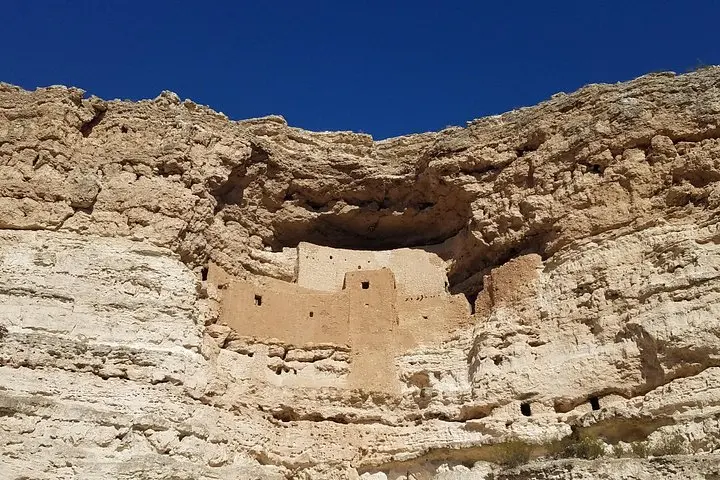
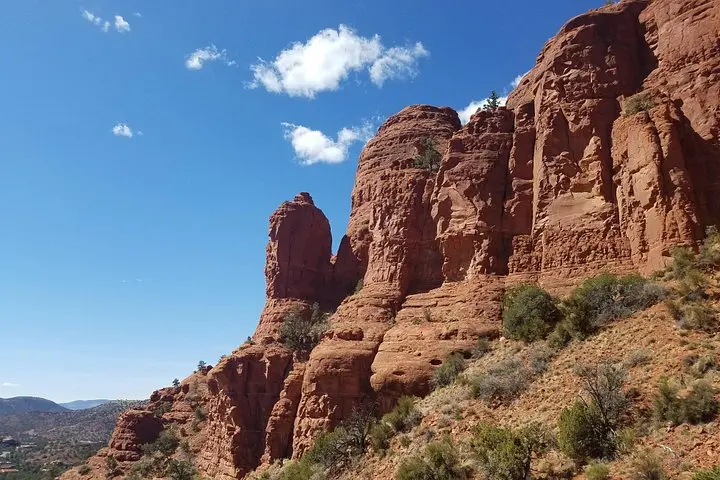
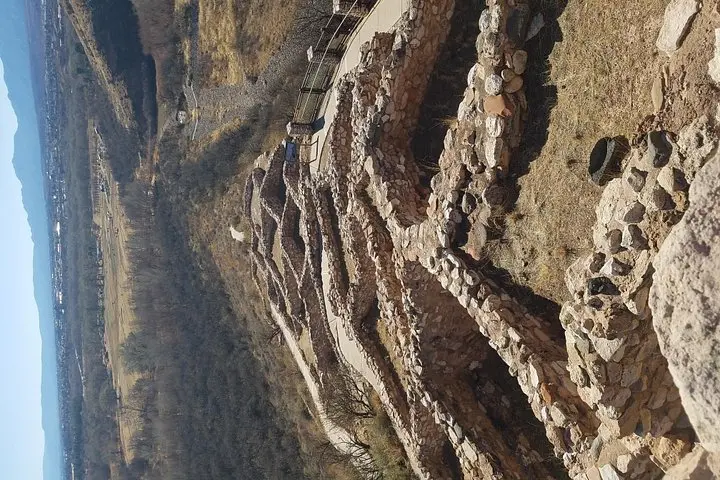
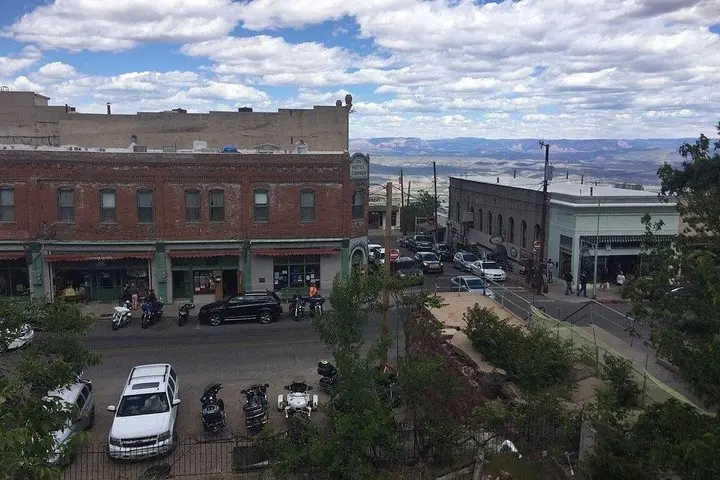
You step out of the shuttle into an open valley where sunlight carves the cliffs into stacked rooms and the desert wind seems to move with purpose. The tour moves with similar momentum — a slow archaeology lesson at Montezuma Castle, a stroll through the ruins of Tuzigoot, a walkable history stop in Jerome, and a final sweep of Sedona’s red-rock overlooks. Each stop has a different cast: the cliff-side masonry of the Sinagua people hugging a limestone alcove; Tuzigoot’s low-stone pueblo perched above the Verde River; Jerome’s weathered brick storefronts and copper scars; Sedona’s mesas alive with color and angle.
You step out of the shuttle into an open valley where sunlight carves the cliffs into stacked rooms and the desert wind seems to move with purpose. The tour moves with similar momentum — a slow archaeology lesson at Montezuma Castle, a stroll through the ruins of Tuzigoot, a walkable history stop in Jerome, and a final sweep of Sedona’s red-rock overlooks. Each stop has a different cast: the cliff-side masonry of the Sinagua people hugging a limestone alcove; Tuzigoot’s low-stone pueblo perched above the Verde River; Jerome’s weathered brick storefronts and copper scars; Sedona’s mesas alive with color and angle.
History here is readable in stone and ore. The Sinagua built multistory dwellings in natural alcoves centuries ago; later, 19th- and 20th-century copper mining reshaped Jerome into a boom-and-bust ruin turned artist town. Geology drives the scenery — sandstone and shale of the red-rock corridor tilt and fracture, creating the dramatic vistas Sedona is known for. Culturally, the Verde Valley remains a place where Native American heritage and frontier mining histories overlap, and local galleries in Uptown Sedona carry that blended influence.
Practical guidance: the tour lasts roughly 9–10 hours; wear supportive shoes for uneven ground, carry at least 1–2 liters of water, and layer for temperature swings. Morning visits to Montezuma Castle and Tuzigoot avoid the heat; save Sedona overlooks for late afternoon light when the red rocks deepen. Restrooms and shaded interpretive areas exist at the national monuments; photography is easy but respect posted boundaries. Expect a moderate pace: short walks and photo stops with time to explore Uptown Sedona’s shops and a included lunch.