THE ADVENTURE COLLECTIVE® · Independent discovery and booking for outdoor travel

A full‑day private tour from Paris tracing the Battle of Verdun and the Meuse‑Argonne Offensive. Walk underground galleries at Fort Douaumont, climb the Montfaucon monument and pay respects at the largest US WWI cemetery in Europe.
A full‑day private tour from Paris tracing the Battle of Verdun and the Meuse‑Argonne Offensive. Walk underground galleries at Fort Douaumont, climb the Montfaucon monument and pay respects at the largest US WWI cemetery in Europe.
You step off an air‑conditioned minivan into a wind that still seems to carry the low, distant rumble of artillery—only now those sounds are echoes in stone and field. The high concrete bulk of Fort Douaumont looms, graffiti‑free and scarred, while rows of white headstones slope away at the Meuse‑Argonne cemetery like a quiet tide.
Verified experiences and guided adventures in the surrounding area.
Operated by ADRIAN ROADS · Verdun, Grand Est
You step off an air‑conditioned minivan into a wind that still seems to carry the low, distant rumble of artillery—only now those sounds are echoes in stone and field. The high concrete bulk of Fort Douaumont looms, graffiti‑free and scarred, while rows of white headstones slope away at the Meuse‑Argonne cemetery like a quiet tide.
This full‑day private tour moves from the Verdun Memorial Museum—where a glass‑caged replica battlefield and a 100 m² video wall recreate the violence of 1916—through the Douaumont Ossuary and the Bayonet Trench memorial, then east to Montfaucon and the Meuse‑Argonne American Cemetery. Geology here is simple: chalky soil, exposed limestone and cratered clay that recorded a year of incessant shelling. Culturally, you’ll pass through villages rebuilt after 1918 and small museums such as Romagne 14–18, curated collections of uniforms, shell fragments and personal items that make statistics personal.
Expect uneven paths, low tunnels at Douaumont, and climbing to the Montfaucon observation platform for broad views of the Argonne woodlands—forests that masked movement in 1918 and today dare you into shadowy aisles of beech and oak. Practical notes: it’s a long day (13–14 hours) with short walks at each stop; comfortable, sturdy footwear and layered clothing are essential. Carry water, a respectful silence at cemeteries, and a charged camera. Guides provide context and steady pacing—this is history experienced outdoors, where the landscape itself tells much of the story.
This private tour runs about 13–14 hours and typically departs from Paris; exact meeting point is provided at booking.
Walking is moderate—short walks at each site including some stairs and uneven ground; it’s suitable for most fitness levels.
Most sites listed (e.g., Verdun Memorial, Romagne museum) are included in the itinerary; confirm specifics with your operator before booking.
Children can join, but the day is long; the tour is not recommended for people with significant mobility or serious cardiovascular problems.
ADRIAN ROADS operates guided outdoor trips and adventures with an emphasis on safety, stewardship, and memorable experiences.
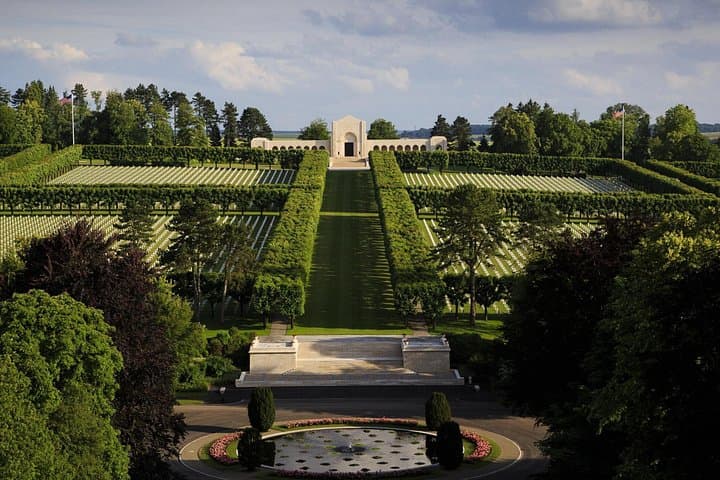
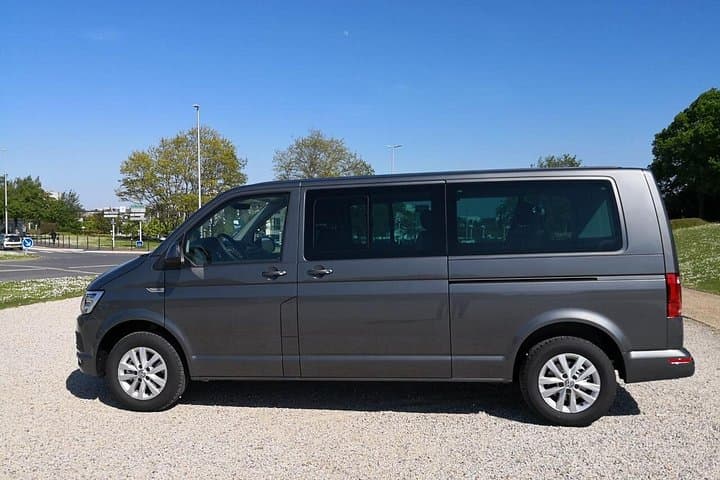

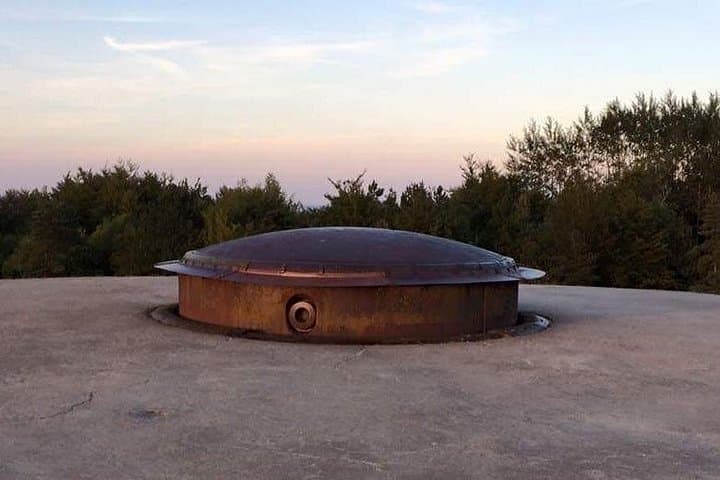
You step off an air‑conditioned minivan into a wind that still seems to carry the low, distant rumble of artillery—only now those sounds are echoes in stone and field. The high concrete bulk of Fort Douaumont looms, graffiti‑free and scarred, while rows of white headstones slope away at the Meuse‑Argonne cemetery like a quiet tide.
You step off an air‑conditioned minivan into a wind that still seems to carry the low, distant rumble of artillery—only now those sounds are echoes in stone and field. The high concrete bulk of Fort Douaumont looms, graffiti‑free and scarred, while rows of white headstones slope away at the Meuse‑Argonne cemetery like a quiet tide.
This full‑day private tour moves from the Verdun Memorial Museum—where a glass‑caged replica battlefield and a 100 m² video wall recreate the violence of 1916—through the Douaumont Ossuary and the Bayonet Trench memorial, then east to Montfaucon and the Meuse‑Argonne American Cemetery. Geology here is simple: chalky soil, exposed limestone and cratered clay that recorded a year of incessant shelling. Culturally, you’ll pass through villages rebuilt after 1918 and small museums such as Romagne 14–18, curated collections of uniforms, shell fragments and personal items that make statistics personal.
Expect uneven paths, low tunnels at Douaumont, and climbing to the Montfaucon observation platform for broad views of the Argonne woodlands—forests that masked movement in 1918 and today dare you into shadowy aisles of beech and oak. Practical notes: it’s a long day (13–14 hours) with short walks at each stop; comfortable, sturdy footwear and layered clothing are essential. Carry water, a respectful silence at cemeteries, and a charged camera. Guides provide context and steady pacing—this is history experienced outdoors, where the landscape itself tells much of the story.