THE ADVENTURE COLLECTIVE® · Independent discovery and booking for outdoor travel

Taste five natural wines in a historic 18th-century cellar east of Verona. This 90-minute walk, tour and tasting combines vineyard insights with a hands-on look at low-intervention winemaking.
Taste five natural wines in a historic 18th-century cellar east of Verona. This 90-minute walk, tour and tasting combines vineyard insights with a hands-on look at low-intervention winemaking.
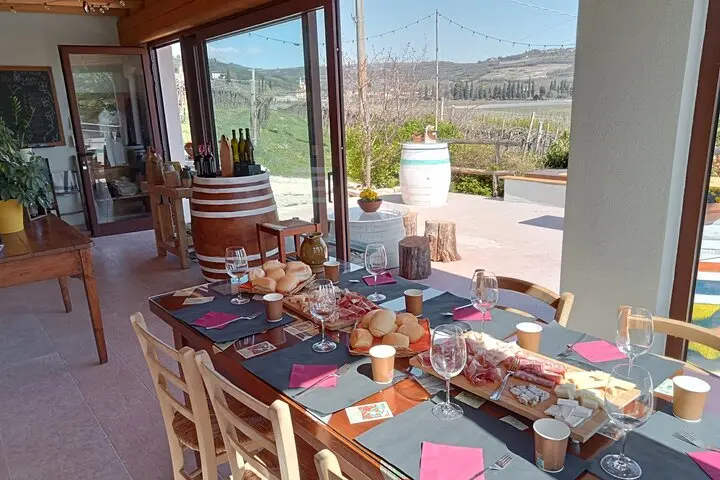
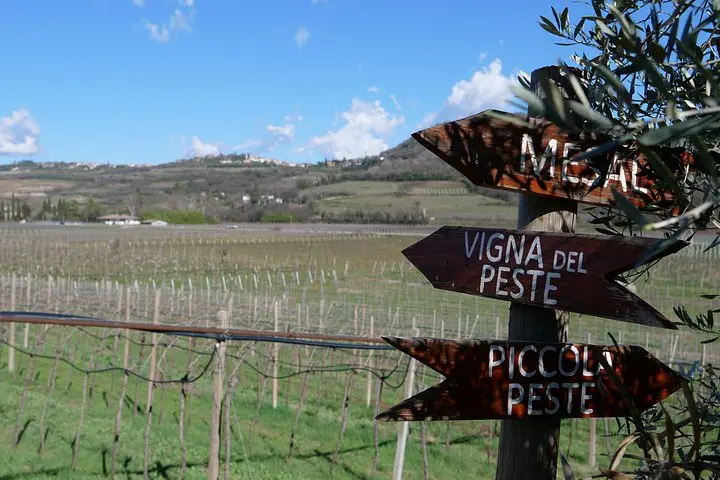
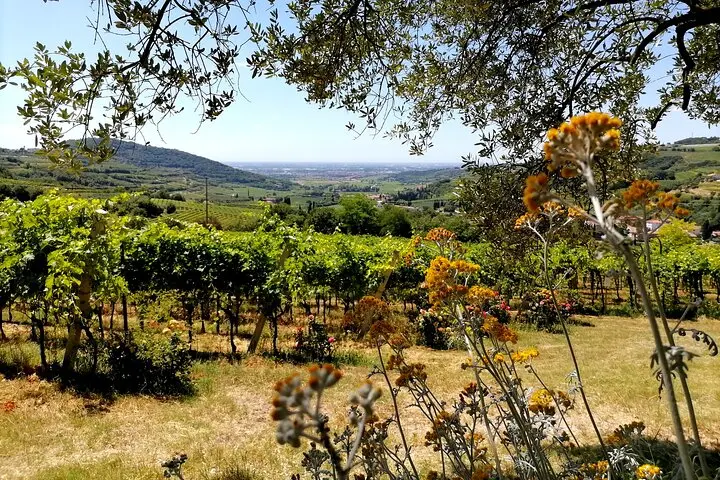
You step off the lane into a small tasting room warmed by sunlight and the smell of fermenting grapes; outside, rows of vines slope away toward the soft hills east of Verona. The visit begins with a short walk through the vineyard where the hosts explain their commitment to natural wine and biodiversity—vines trained by hand, cover crops between rows, and insects welcomed rather than sprayed away.
Verified experiences and guided adventures in the surrounding area.
Operated by Terre di Pietra · San Martino Buon Albergo, Veneto
You step off the lane into a small tasting room warmed by sunlight and the smell of fermenting grapes; outside, rows of vines slope away toward the soft hills east of Verona. The visit begins with a short walk through the vineyard where the hosts explain their commitment to natural wine and biodiversity—vines trained by hand, cover crops between rows, and insects welcomed rather than sprayed away.
The cellar itself folds history into the process: part of the facility dates to 1760, where cool stone and slow aging tell a different story than a modern stainless tank. Natural winemaking here means minimal intervention—native yeasts, low added sulfites, and careful handling that lets varietal character speak. Culturally, these small estates sit on the edge of Veneto’s larger winemaking world, borrowing tradition from Valpolicella and Soave while pursuing experimental, ecological methods.
Practically, the 90-minute experience mixes a guided cellar walk, a look at the historic spaces, and a seated tasting of five wines plus house-produced oil and focaccia. Conversation is informal—expect an exchange rather than a lecture—and groups are kept under 15 for an intimate feel. Bring ID for tasting, wear sturdy shoes for gravel and cellar steps, and allow time to ask about biodynamic choices or purchase a bottle to take home. With manual confirmation and stroller access, this is an accessible, tactile way to see how soil, history, and small-scale craft shape natural wine in the Verona area.
The experience lasts about 90 minutes, including a short vineyard walk, cellar visit and a seated tasting of five wines and oil.
Infants are allowed and can use a stroller, but tastings are for adults—infants must sit on a lap.
Reservations are required with manual confirmation; full refunds available if you cancel at least 24 hours before the scheduled time.
The tasting room and shop are accessible, but vineyard paths and historic cellar steps may be uneven; inquire ahead for specific accommodations.
Terre di Pietra operates guided outdoor trips and adventures with an emphasis on safety, stewardship, and memorable experiences.
You step off the lane into a small tasting room warmed by sunlight and the smell of fermenting grapes; outside, rows of vines slope away toward the soft hills east of Verona. The visit begins with a short walk through the vineyard where the hosts explain their commitment to natural wine and biodiversity—vines trained by hand, cover crops between rows, and insects welcomed rather than sprayed away.
You step off the lane into a small tasting room warmed by sunlight and the smell of fermenting grapes; outside, rows of vines slope away toward the soft hills east of Verona. The visit begins with a short walk through the vineyard where the hosts explain their commitment to natural wine and biodiversity—vines trained by hand, cover crops between rows, and insects welcomed rather than sprayed away.
The cellar itself folds history into the process: part of the facility dates to 1760, where cool stone and slow aging tell a different story than a modern stainless tank. Natural winemaking here means minimal intervention—native yeasts, low added sulfites, and careful handling that lets varietal character speak. Culturally, these small estates sit on the edge of Veneto’s larger winemaking world, borrowing tradition from Valpolicella and Soave while pursuing experimental, ecological methods.
Practically, the 90-minute experience mixes a guided cellar walk, a look at the historic spaces, and a seated tasting of five wines plus house-produced oil and focaccia. Conversation is informal—expect an exchange rather than a lecture—and groups are kept under 15 for an intimate feel. Bring ID for tasting, wear sturdy shoes for gravel and cellar steps, and allow time to ask about biodynamic choices or purchase a bottle to take home. With manual confirmation and stroller access, this is an accessible, tactile way to see how soil, history, and small-scale craft shape natural wine in the Verona area.