THE ADVENTURE COLLECTIVE® · Independent discovery and booking for outdoor travel

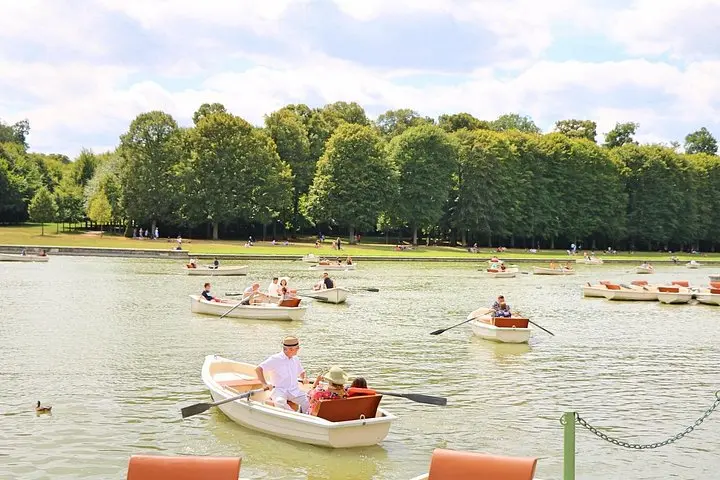
Skip the lines and spend a full-day exploring Versailles’ State Apartments, Hall of Mirrors, and Marie‑Antoinette’s Petit Trianon. This guided trip from Paris pairs fast access with expert context and a leisurely garden stroll by the Grand Canal.
Skip the lines and spend a full-day exploring Versailles’ State Apartments, Hall of Mirrors, and Marie‑Antoinette’s Petit Trianon. This guided trip from Paris pairs fast access with expert context and a leisurely garden stroll by the Grand Canal.
A morning on Avenue de la Bourdonnais dissolves into a ribbon of highway and, 40 km later, the palace’s limestone facades rise against a broad sky. Your guide ushers you past the crush at the gates; inside, gilded halls and the Hall of Mirrors demand a slower breath. Footsteps echo where courtiers once paced, while fountain water in the gardens presses outward, daring you to explore farther.
Verified experiences and guided adventures in the surrounding area.
Operated by Paris TRIP · Versailles, Île-de-France
A morning on Avenue de la Bourdonnais dissolves into a ribbon of highway and, 40 km later, the palace’s limestone facades rise against a broad sky. Your guide ushers you past the crush at the gates; inside, gilded halls and the Hall of Mirrors demand a slower breath. Footsteps echo where courtiers once paced, while fountain water in the gardens presses outward, daring you to explore farther.
Versailles is the epicenter of 17th–18th century French absolutism—Louis XIV reshaped both palace and landscape to broadcast power. The gardens, engineered by André Le Nôtre, flatten and order the horizon; the Petit Trianon and the Queen’s Hamlet reveal a contrasting, intimate world where Marie‑Antoinette staged pastoral escape.
Geology here is tame—Paris Basin limestone underpins the buildings—but the real structure is human: axial lines, terraces, and canals that direct sight and movement. Culture rides on those axes: ceremonial rooms, private apartments, and the small, thatched cottages of the Hamlet tell different stories of court life and retreat.
Practical guidance: plan for a full day—expect eight hours including transit. Wear comfortable walking shoes for marble thresholds and gravel paths; bring a refillable water bottle and a light layer for variable weather. Lunch near the Grand Canal lets you refuel before an afternoon at the Petit Trianon and Hamlet, where quieter lanes and lakeside benches make good stops.
Note accessibility limits: the site has many stairs and cobbled surfaces. Keep maps or your guide’s directions handy for timing between highlights and allow extra minutes for fountain activations or seasonal exhibitions.
Lunch is not included; the itinerary allows time to eat near the Grand Canal at your own expense.
No—this tour is not wheelchair accessible due to stairs and uneven surfaces in the palace and gardens.
The round trip by luxury minibus is roughly 80 km total, with about 40 km each way—expect approximately 45–60 minutes each direction depending on traffic.
Yes—this tour includes priority-access tickets for expedited entry to the palace, but queues can still form at security checkpoints.
Paris TRIP operates guided outdoor trips and adventures with an emphasis on safety, stewardship, and memorable experiences.
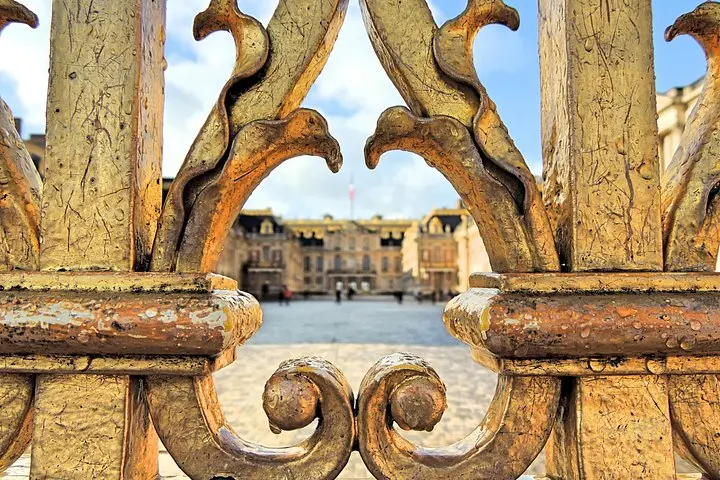
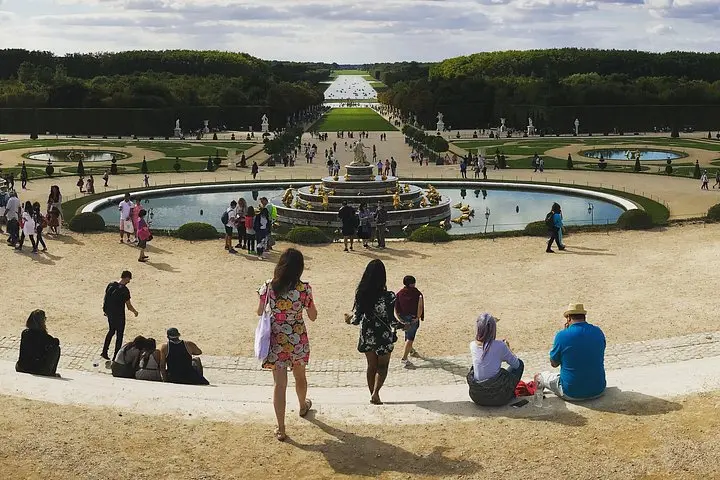
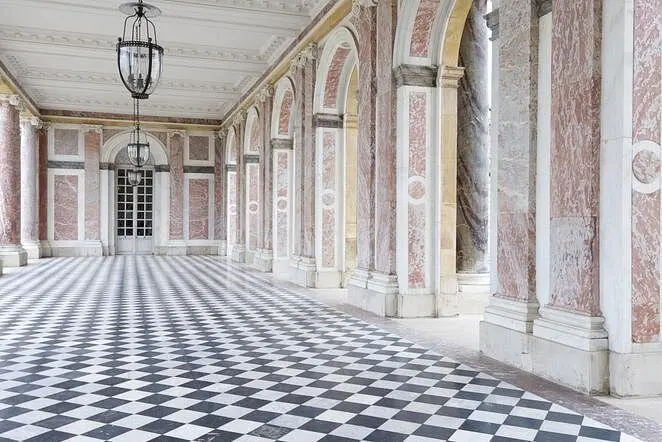
A morning on Avenue de la Bourdonnais dissolves into a ribbon of highway and, 40 km later, the palace’s limestone facades rise against a broad sky. Your guide ushers you past the crush at the gates; inside, gilded halls and the Hall of Mirrors demand a slower breath. Footsteps echo where courtiers once paced, while fountain water in the gardens presses outward, daring you to explore farther.
A morning on Avenue de la Bourdonnais dissolves into a ribbon of highway and, 40 km later, the palace’s limestone facades rise against a broad sky. Your guide ushers you past the crush at the gates; inside, gilded halls and the Hall of Mirrors demand a slower breath. Footsteps echo where courtiers once paced, while fountain water in the gardens presses outward, daring you to explore farther.
Versailles is the epicenter of 17th–18th century French absolutism—Louis XIV reshaped both palace and landscape to broadcast power. The gardens, engineered by André Le Nôtre, flatten and order the horizon; the Petit Trianon and the Queen’s Hamlet reveal a contrasting, intimate world where Marie‑Antoinette staged pastoral escape.
Geology here is tame—Paris Basin limestone underpins the buildings—but the real structure is human: axial lines, terraces, and canals that direct sight and movement. Culture rides on those axes: ceremonial rooms, private apartments, and the small, thatched cottages of the Hamlet tell different stories of court life and retreat.
Practical guidance: plan for a full day—expect eight hours including transit. Wear comfortable walking shoes for marble thresholds and gravel paths; bring a refillable water bottle and a light layer for variable weather. Lunch near the Grand Canal lets you refuel before an afternoon at the Petit Trianon and Hamlet, where quieter lanes and lakeside benches make good stops.
Note accessibility limits: the site has many stairs and cobbled surfaces. Keep maps or your guide’s directions handy for timing between highlights and allow extra minutes for fountain activations or seasonal exhibitions.