THE ADVENTURE COLLECTIVE® · Independent discovery and booking for outdoor travel
Trade Florence’s bustle for Chianti’s sunlit lanes on a small-group Vespa tour that pairs scenic riding with cellar visits, olive oil tasting and a Tuscan meal. Perfect for beginners with a short orientation and support van on hand.
Trade Florence’s bustle for Chianti’s sunlit lanes on a small-group Vespa tour that pairs scenic riding with cellar visits, olive oil tasting and a Tuscan meal. Perfect for beginners with a short orientation and support van on hand.
You kick the Vespa into life and the road unfurls through sun-creased vineyards. Olive trees lean toward the lanes as if to whisper directions; the cypress-crested ridgelines push the horizon forward. For the next six to seven hours you trade city noise for country lanes, stopping at medieval villages and cellar doors where barrels and stories sit side by side.
Verified experiences and guided adventures in the surrounding area.
Operated by Italy Adventures · Greve in Chianti, Tuscany
You kick the Vespa into life and the road unfurls through sun-creased vineyards. Olive trees lean toward the lanes as if to whisper directions; the cypress-crested ridgelines push the horizon forward. For the next six to seven hours you trade city noise for country lanes, stopping at medieval villages and cellar doors where barrels and stories sit side by side.
Chianti's hills were shaped by Pliocene sediments and uplift, then stitched with terraces for vines and olive groves over centuries. The area’s culture revolves around Sangiovese grapes and the Gallo Nero (black rooster) designation — a local shorthand for Chianti Classico’s long winemaking tradition. Medieval hill towns like Greve and Panzano grew where trade routes crossed, and their stone roads now direct modern travelers between viewpoints and family-run wineries.
Practical guidance: the tour includes a trained orientation and a closed-course driving test before you head onto open roads; helmets and minivan support are provided. Expect multiple winery visits with guided cellar tours, an olive oil tasting, and a typical Tuscan meal. Bring a valid driving license if you plan to ride — passengers are welcome from 13 years old.
Timing matters: ride in the morning to avoid peak heat and to catch clearer light for photos. Pace your wine tastings and hydrate between stops; the guides will prioritize safety, offering the option to ride tandem or transfer to the support vehicle if needed. By day’s end you’ll have a stack of tasting notes, a small wine booklet, and fresh memories of Chianti’s lanes calling you back.
No — the tour includes an orientation and a closed-course driving test; guides will advise if someone should ride tandem or use the support minivan for safety.
Yes — the price covers visits to two wineries with cellar tours, wine and olive oil tastings, and a typical Tuscan meal at a boutique winery.
The operator’s cancellation policy allows refund up to 24 hours before departure; in light rain the tour may proceed with adjustments — check locally for last-minute changes.
Yes — many producers sell bottles at the cellar, often at competitive prices; bring a padded bag or plan for shipping if purchasing multiple bottles.
Italy Adventures operates guided outdoor trips and adventures with an emphasis on safety, stewardship, and memorable experiences.
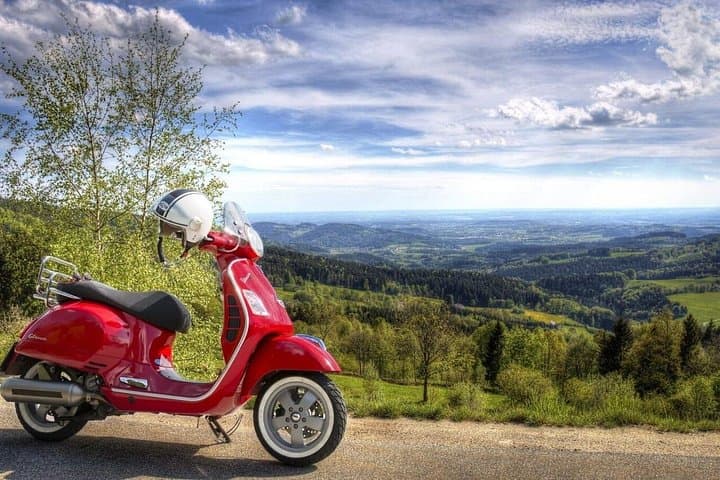
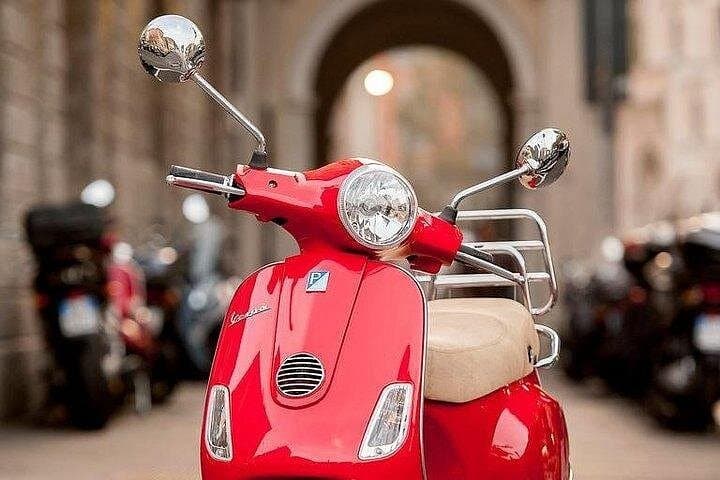
You kick the Vespa into life and the road unfurls through sun-creased vineyards. Olive trees lean toward the lanes as if to whisper directions; the cypress-crested ridgelines push the horizon forward. For the next six to seven hours you trade city noise for country lanes, stopping at medieval villages and cellar doors where barrels and stories sit side by side.
You kick the Vespa into life and the road unfurls through sun-creased vineyards. Olive trees lean toward the lanes as if to whisper directions; the cypress-crested ridgelines push the horizon forward. For the next six to seven hours you trade city noise for country lanes, stopping at medieval villages and cellar doors where barrels and stories sit side by side.
Chianti's hills were shaped by Pliocene sediments and uplift, then stitched with terraces for vines and olive groves over centuries. The area’s culture revolves around Sangiovese grapes and the Gallo Nero (black rooster) designation — a local shorthand for Chianti Classico’s long winemaking tradition. Medieval hill towns like Greve and Panzano grew where trade routes crossed, and their stone roads now direct modern travelers between viewpoints and family-run wineries.
Practical guidance: the tour includes a trained orientation and a closed-course driving test before you head onto open roads; helmets and minivan support are provided. Expect multiple winery visits with guided cellar tours, an olive oil tasting, and a typical Tuscan meal. Bring a valid driving license if you plan to ride — passengers are welcome from 13 years old.
Timing matters: ride in the morning to avoid peak heat and to catch clearer light for photos. Pace your wine tastings and hydrate between stops; the guides will prioritize safety, offering the option to ride tandem or transfer to the support vehicle if needed. By day’s end you’ll have a stack of tasting notes, a small wine booklet, and fresh memories of Chianti’s lanes calling you back.
