THE ADVENTURE COLLECTIVE® · Independent discovery and booking for outdoor travel

Ride a Vespa from hotel door to Cam Kim Island, visit boatyards and ancestral homes, then return to Hoi An Ancient Town for a guided walk through 15th–19th century merchant streets. Practical tips and cultural highlights for a six-hour private tour.
Ride a Vespa from hotel door to Cam Kim Island, visit boatyards and ancestral homes, then return to Hoi An Ancient Town for a guided walk through 15th–19th century merchant streets. Practical tips and cultural highlights for a six-hour private tour.
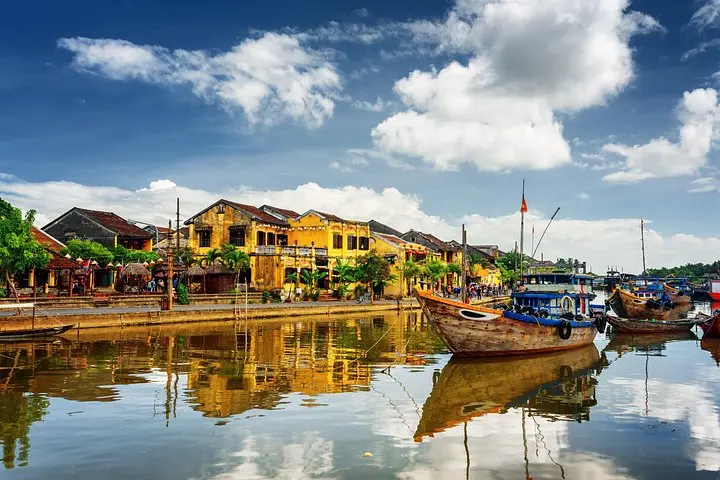
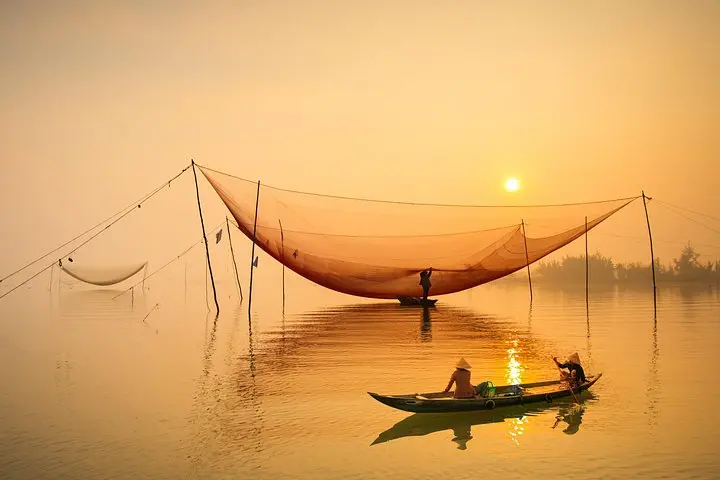
The engine hums beneath you as you push off into a patchwork of river channels and palm-fringed lanes, the Vespa’s saddle warm under your weight. Cross the low bridge to Cam Kim Island and the world opens to riverbanks that lean toward the water, fishermen mending nets and water coconut palms nodding in the breeze. The Thu Bon River seems to dare you forward, its currents pulling the eye toward boatyards and family compounds where crafts live on.
Verified experiences and guided adventures in the surrounding area.
Operated by Lux Travel Dmc Asia - Inspiring Journeys · Hoi An, Quang Nam
The engine hums beneath you as you push off into a patchwork of river channels and palm-fringed lanes, the Vespa’s saddle warm under your weight. Cross the low bridge to Cam Kim Island and the world opens to riverbanks that lean toward the water, fishermen mending nets and water coconut palms nodding in the breeze. The Thu Bon River seems to dare you forward, its currents pulling the eye toward boatyards and family compounds where crafts live on.
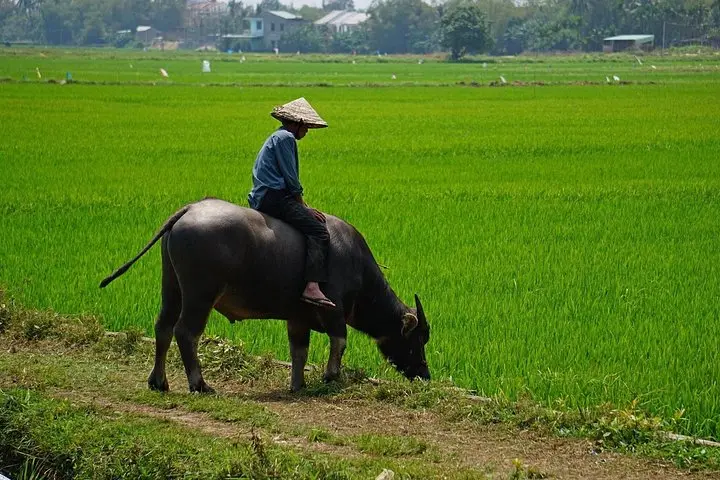
Hoi An grew rich as Faifo, a 15th–19th century trading port where Chinese, Japanese and European ships anchored to trade silk and spices. Geologically the area is a flat coastal plain of alluvial silt and tidal channels, which shapes both its boat-building traditions and rice paddies. Culturally this tour threads domestic craft—mat weaving, basket-boat making, bánh đập preparations—into everyday life; you’ll see century-old ancestral homes and the compact urban fabric that produced the Japanese Covered Bridge.
Practically: expect six hours of mixed riding and walking with frequent stops. Wear closed shoes for the boatyard and light, breathable layers for the tropical heat; bring sunscreen and a compact rain shell in wet months. Follow your guide’s traffic cues—local scooters move fast—and ask permission before photographing inside homes. Lunch and bottled water are usually provided, but carry small change for market purchases and tips. This is a low-impact, high-contact cultural ride—fast enough for the thrill, slow enough to notice how place and craft meet the river.
No—participants ride as passengers with a professional driver; basic mobility to mount and dismount is all that’s needed.
Lunch and bottled water are typically included; bring cash for additional snacks or market purchases.
Yes—operators usually request dietary and accessibility information at booking to adjust meals and pacing; disclose needs in advance.
Tipping is customary but discretionary; 5–10% of the tour cost split between driver and guide is a common guideline if service is good.
Lux Travel Dmc Asia - Inspiring Journeys operates guided outdoor trips and adventures with an emphasis on safety, stewardship, and memorable experiences.

The engine hums beneath you as you push off into a patchwork of river channels and palm-fringed lanes, the Vespa’s saddle warm under your weight. Cross the low bridge to Cam Kim Island and the world opens to riverbanks that lean toward the water, fishermen mending nets and water coconut palms nodding in the breeze. The Thu Bon River seems to dare you forward, its currents pulling the eye toward boatyards and family compounds where crafts live on.
The engine hums beneath you as you push off into a patchwork of river channels and palm-fringed lanes, the Vespa’s saddle warm under your weight. Cross the low bridge to Cam Kim Island and the world opens to riverbanks that lean toward the water, fishermen mending nets and water coconut palms nodding in the breeze. The Thu Bon River seems to dare you forward, its currents pulling the eye toward boatyards and family compounds where crafts live on.
Hoi An grew rich as Faifo, a 15th–19th century trading port where Chinese, Japanese and European ships anchored to trade silk and spices. Geologically the area is a flat coastal plain of alluvial silt and tidal channels, which shapes both its boat-building traditions and rice paddies. Culturally this tour threads domestic craft—mat weaving, basket-boat making, bánh đập preparations—into everyday life; you’ll see century-old ancestral homes and the compact urban fabric that produced the Japanese Covered Bridge.
Practically: expect six hours of mixed riding and walking with frequent stops. Wear closed shoes for the boatyard and light, breathable layers for the tropical heat; bring sunscreen and a compact rain shell in wet months. Follow your guide’s traffic cues—local scooters move fast—and ask permission before photographing inside homes. Lunch and bottled water are usually provided, but carry small change for market purchases and tips. This is a low-impact, high-contact cultural ride—fast enough for the thrill, slow enough to notice how place and craft meet the river.